Beef Recipes
Beef is the cornerstone protein of the carnivore diet, accounting for 60 to 80% of daily intake among most carnivore eaters. Common cuts include ribeye (24g protein, 18g fat per 100g cooked), sirloin (27g, 8g), 80/20 ground beef (26g, 20g), short ribs (22g, 36g), and brisket (24g, 17g). Beef provides 2.1mg of heme iron per 100g — among the most bioavailable iron sources in any food — plus complete protein with all 9 essential amino acids, 2.5mcg of vitamin B12, and substantial zinc and selenium. The recipes below cover the daily-driver formats: smash burgers from 80/20 ground beef, butter-basted ribeye for the centerpiece dinner, hidden liver bites for organ-meat micronutrients, and 24-hour bone broth for collagen.
Recipes in this category
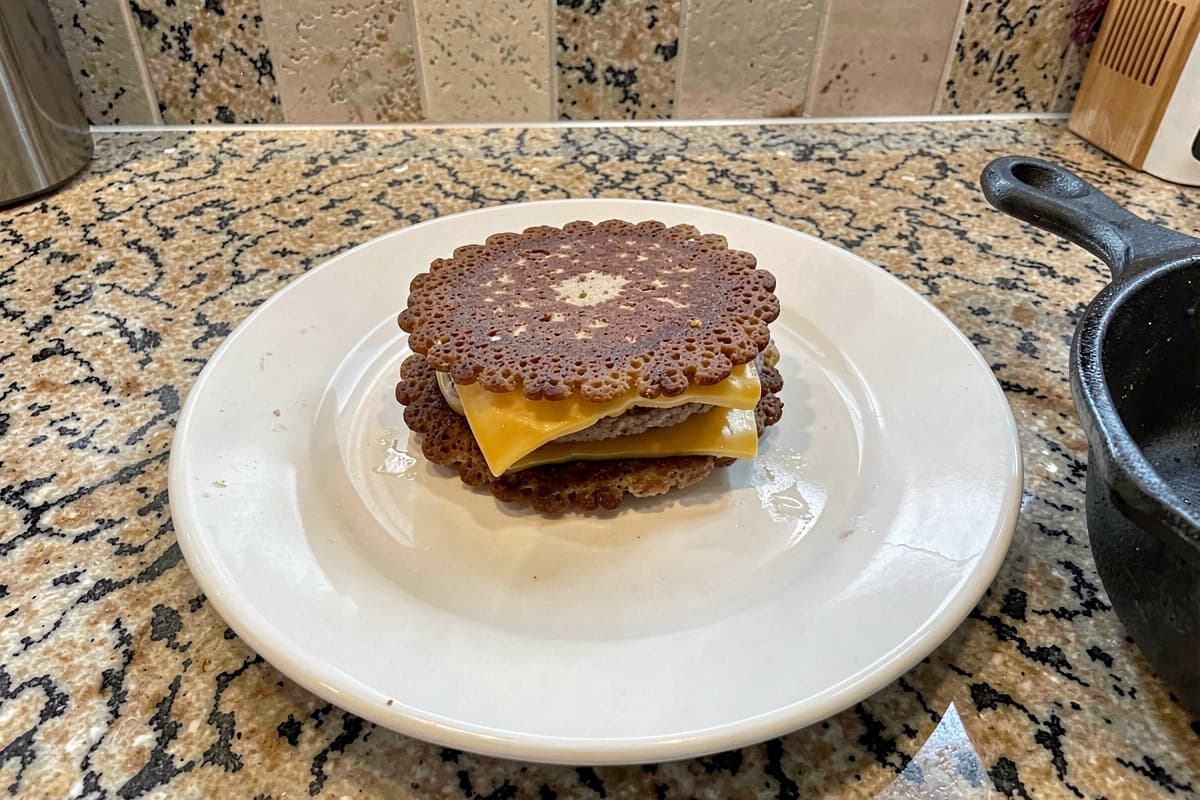
Carnivore Smash Burgers
Crispy-edged, juicy smash burgers made with 80/20 ground beef and butter. The ultimate simple carnivore meal ready in under 15 minutes.
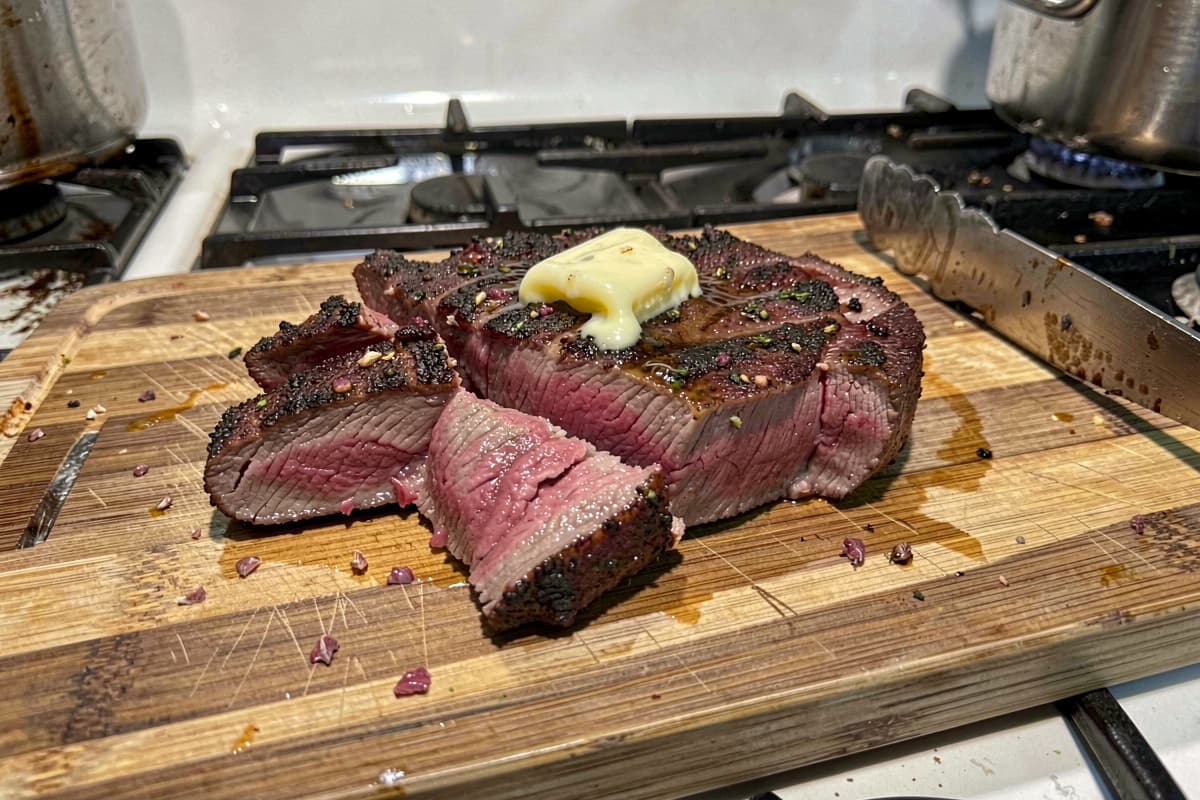
Butter-Basted Ribeye Steak
A perfectly seared ribeye basted in golden butter — the king of carnivore dinners. 48g protein and 42g fat per 10 oz cooked. Pull at 130°F medium-rare.
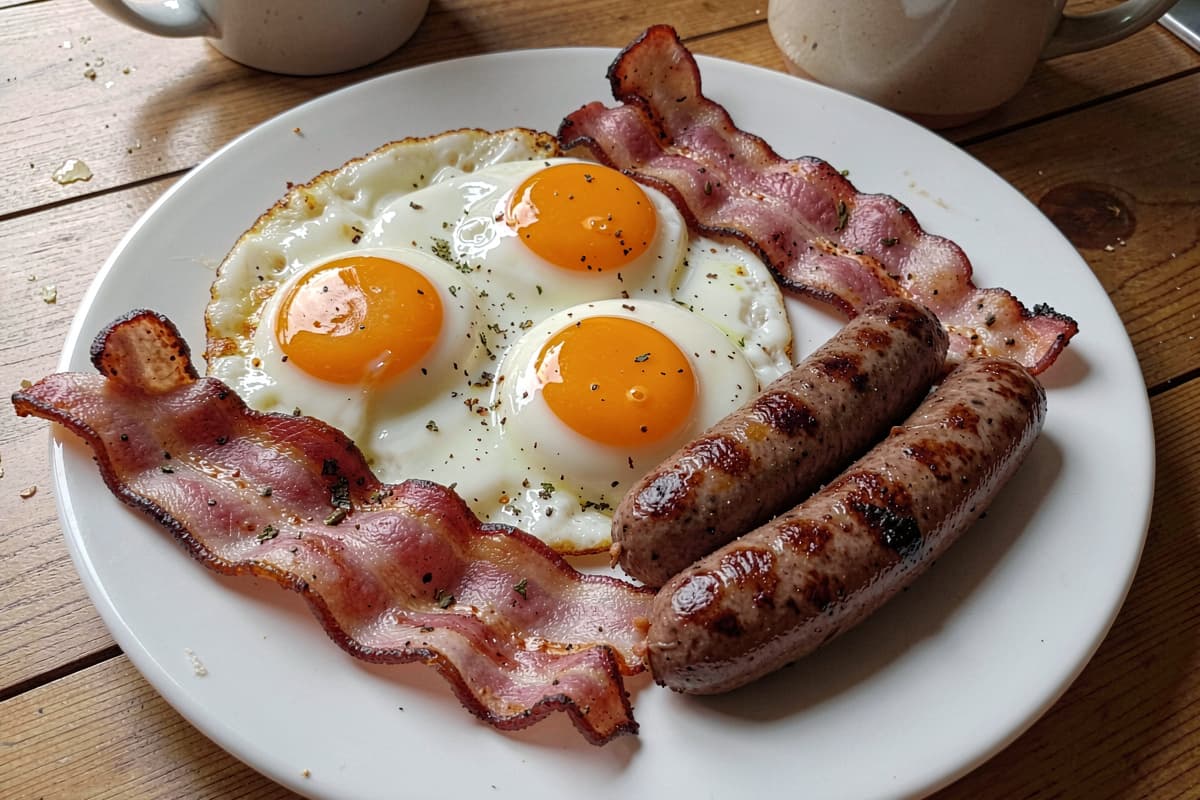
Carnivore Breakfast Plate
The classic carnivore breakfast: crispy bacon, runny eggs, savory beef sausage. 38g protein, 40g fat, 520 calories per plate. 12 minutes start to plate.
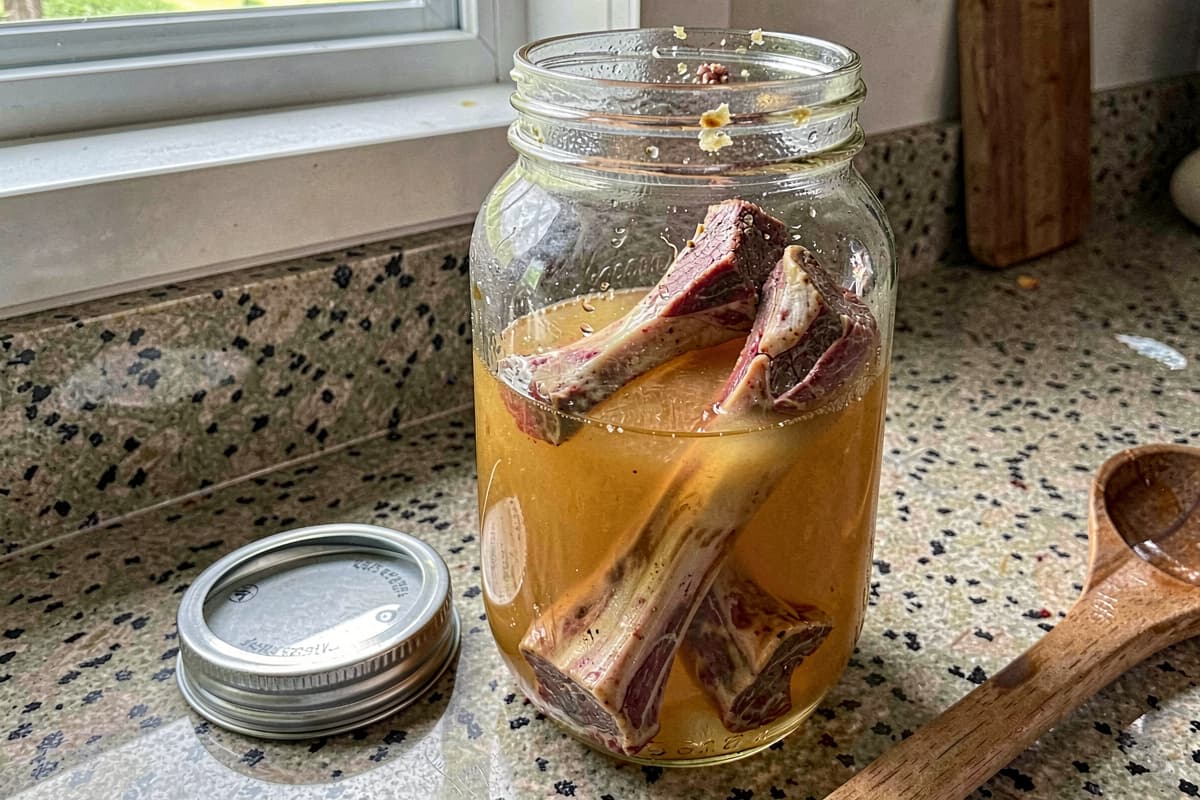
Slow-Cooker Bone Broth
Rich, gelatinous bone broth packed with collagen and minerals. 24-hour slow simmer. 10g protein and 40 calories per cup. Sets to soft gel when cold.
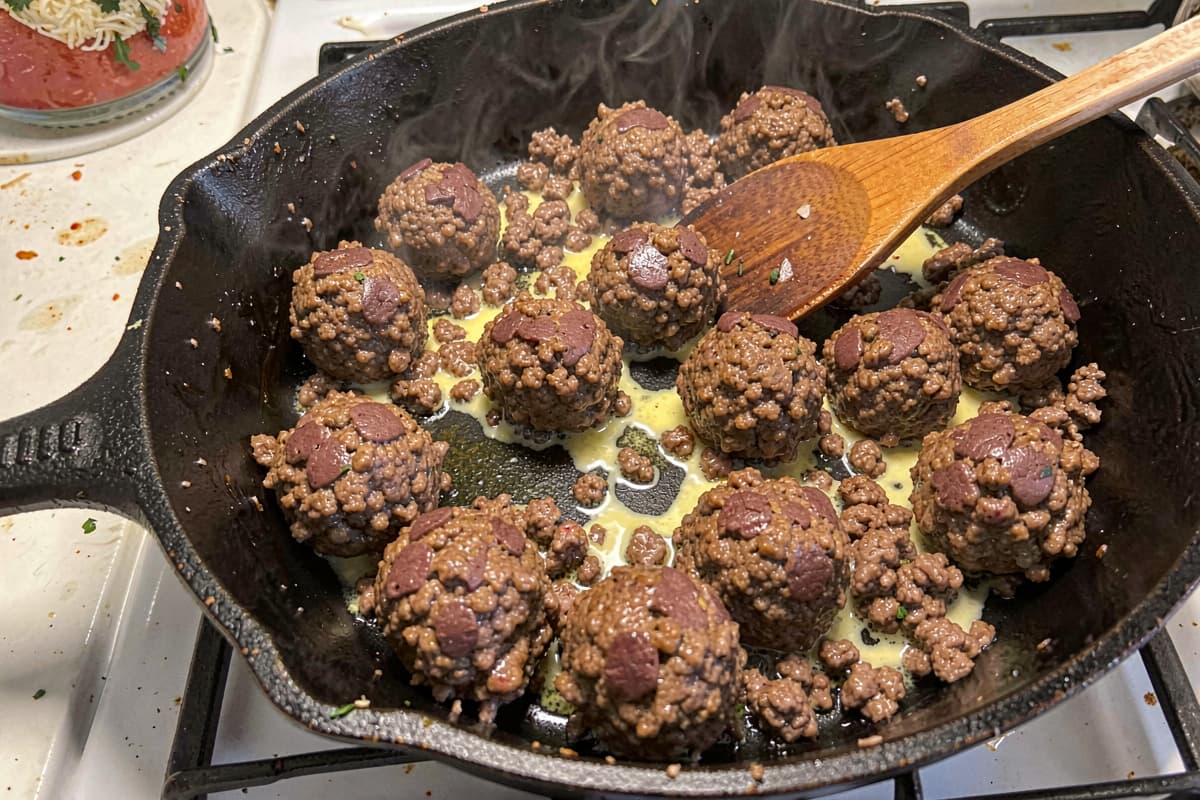
Hidden Beef Liver Bites
Sneak nature's multivitamin into your diet by mixing liver with ground beef. You will not even taste the liver, but your body will thank you.
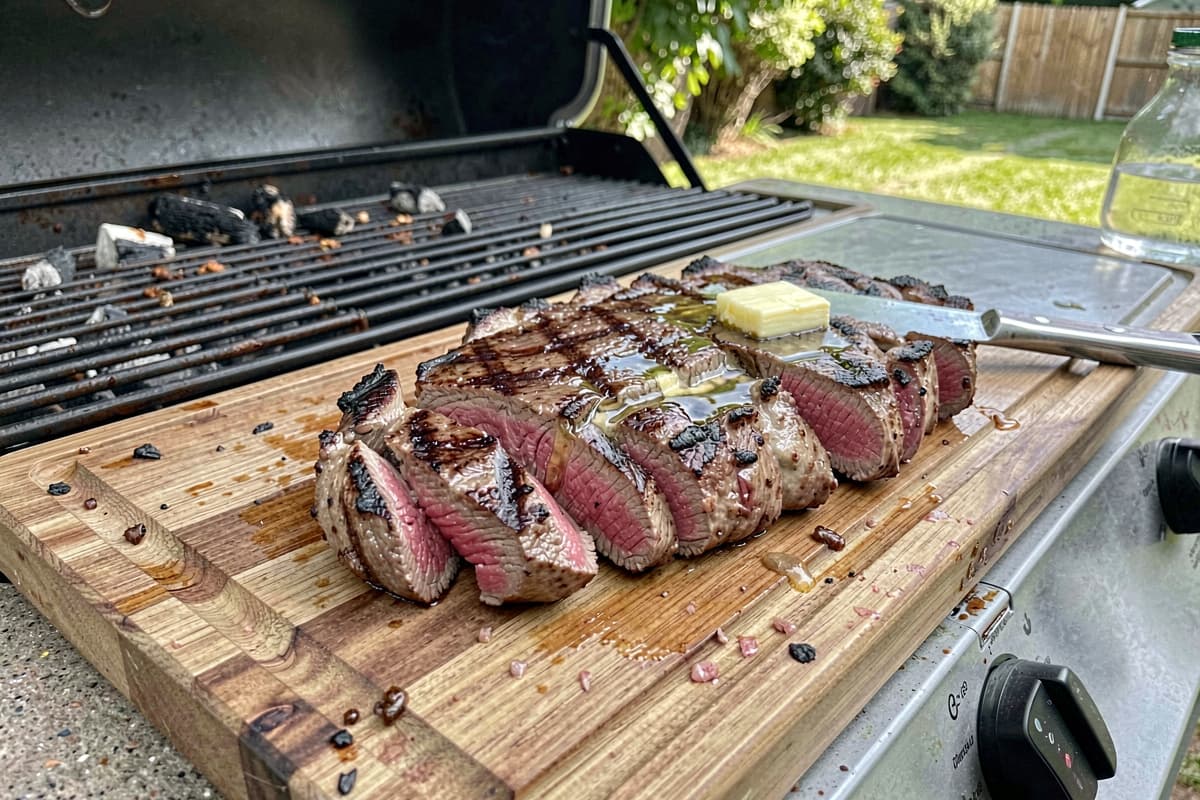
Grilled Top Sirloin Steak
Lean, beefy top sirloin grilled over high heat in 8 minutes. The carnivore answer to a fattier ribeye when you want more protein per calorie.
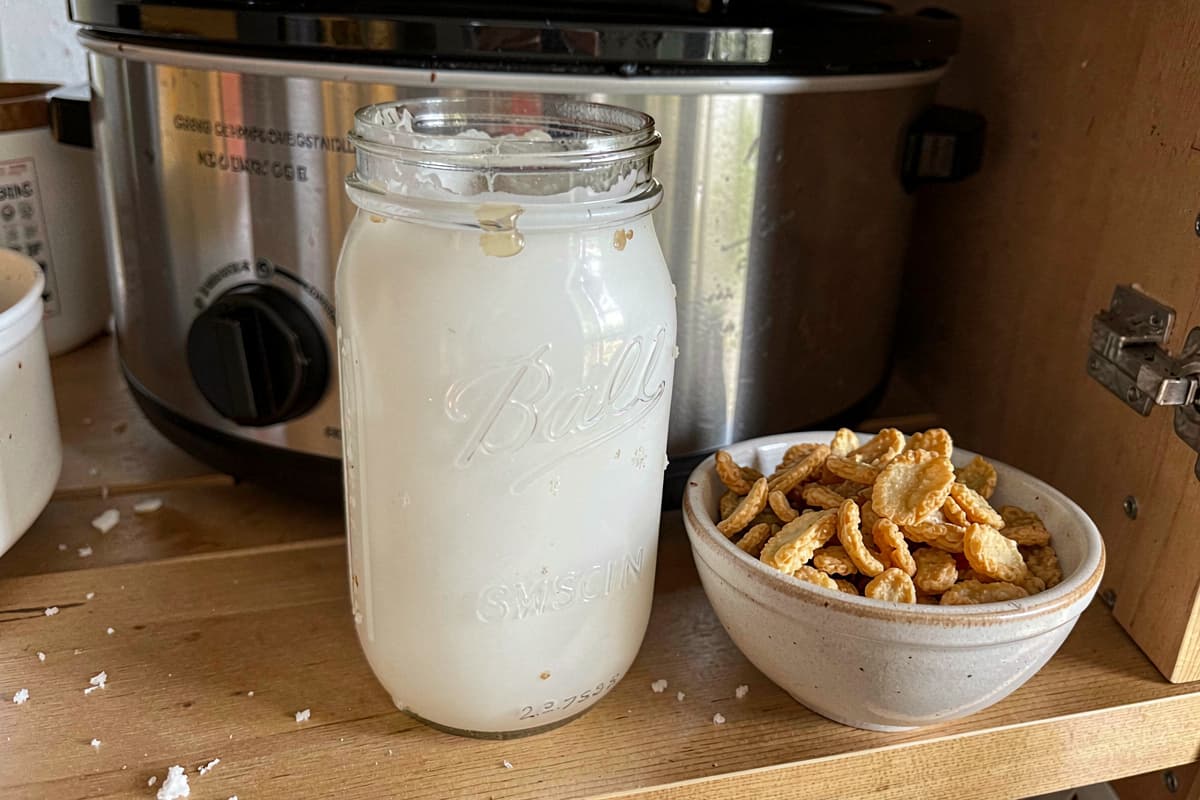
How to Render Beef Tallow at Home
Render 1 lb of beef suet into 12-14 oz of clean cooking tallow in 6-8 hours. Free from butcher trimmings, shelf-stable for 6+ months. 400°F smoke point.
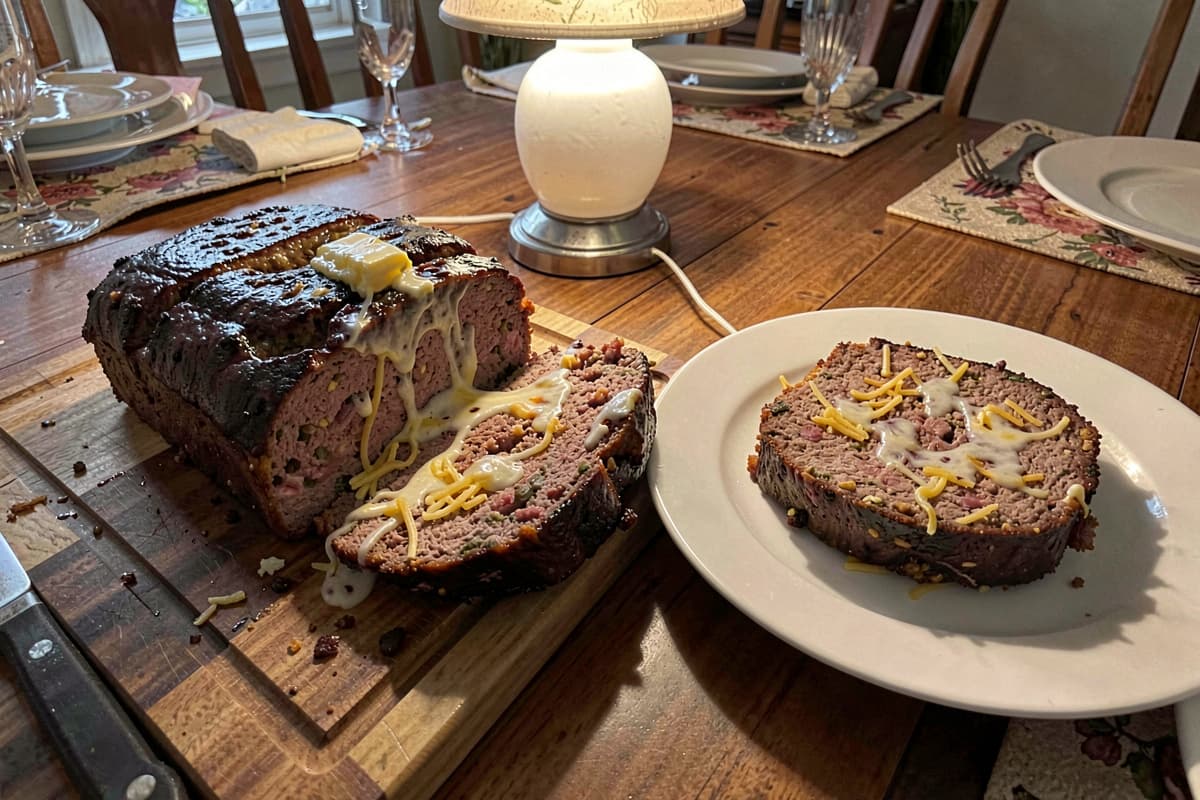
Carnivore Meatloaf (No Breadcrumbs)
All-meat meatloaf bound with eggs and cheese instead of breadcrumbs. 1.5 lb of 80/20 ground beef makes 6 servings at 32g protein, 26g fat each.
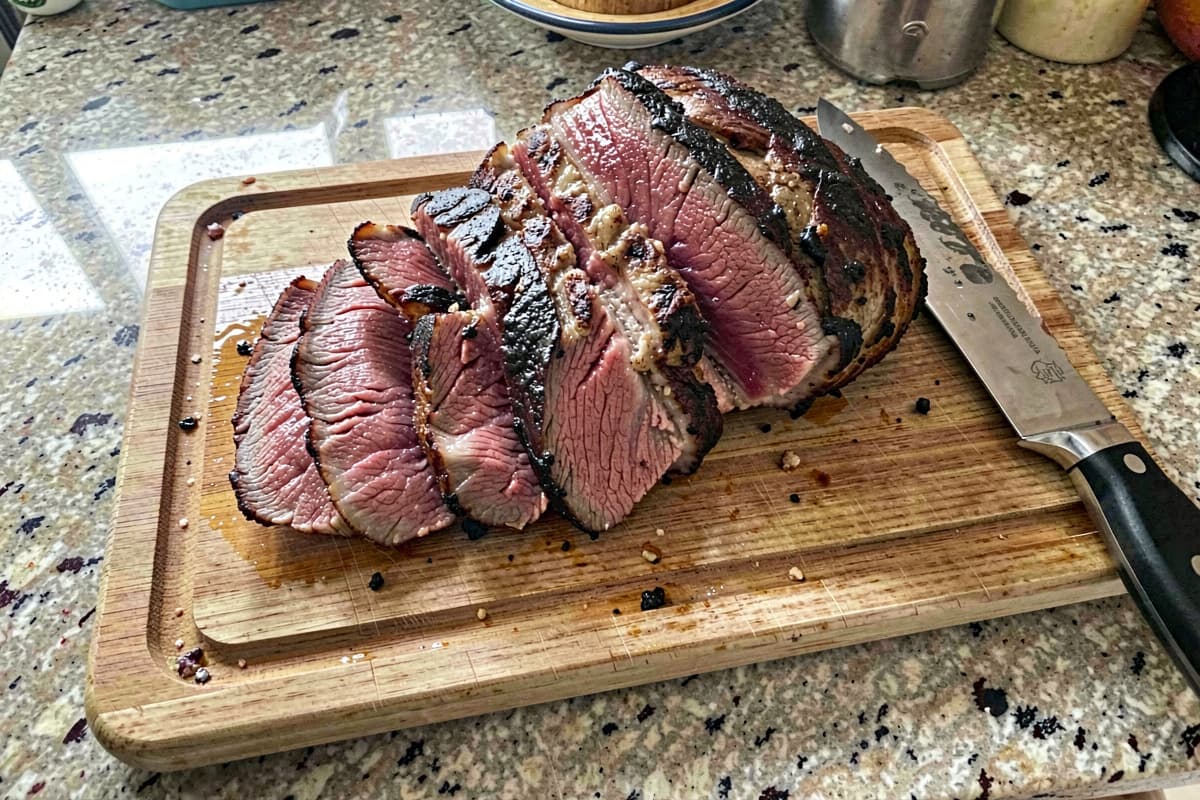
Tri-Tip Steak (Salt + Sear + Roast)
Tri-tip is a 1.5-3 lb triangular roast from the bottom sirloin. Sear all sides, oven-roast to 130°F, slice against the grain. ~$10/lb, 30 min total.
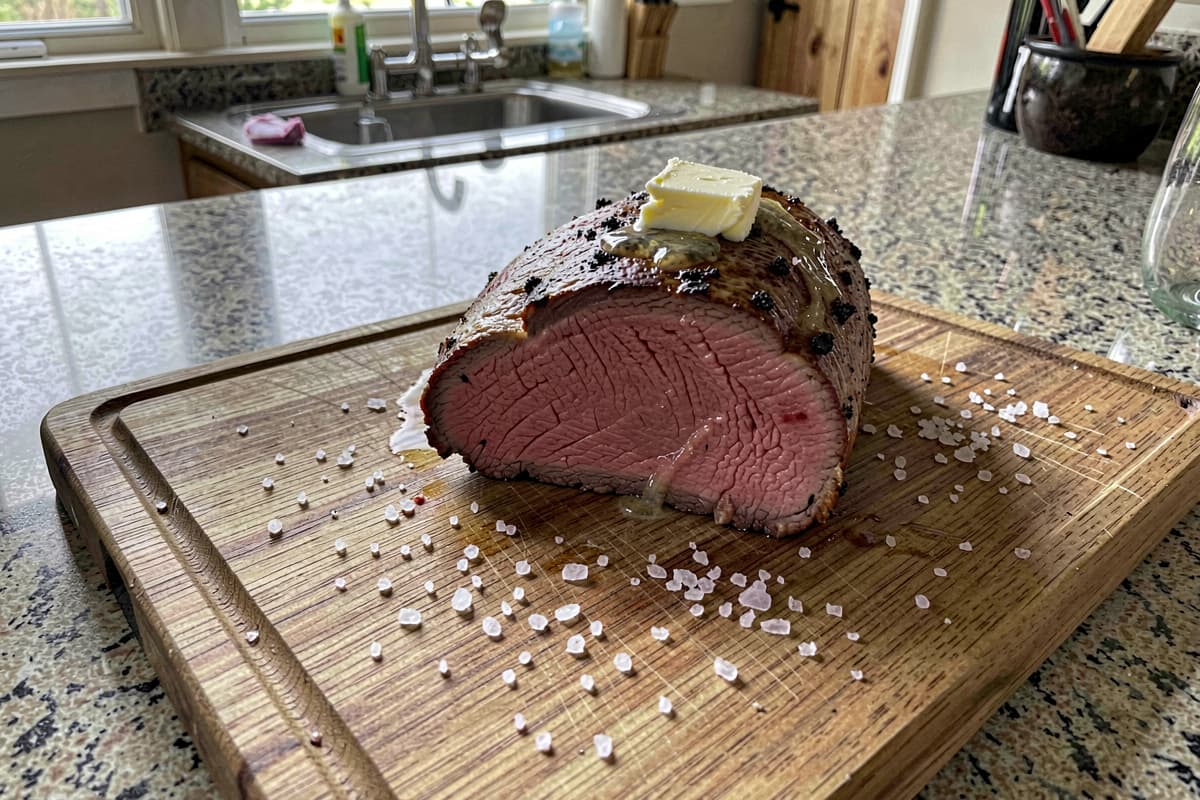
Teres Major Steak (The Filet's Cheap Twin)
Teres major is a 1 lb shoulder cut as tender as filet mignon at half the price. Pan-sear 3 minutes per side, rest, slice across the grain. 27g protein per 100g.
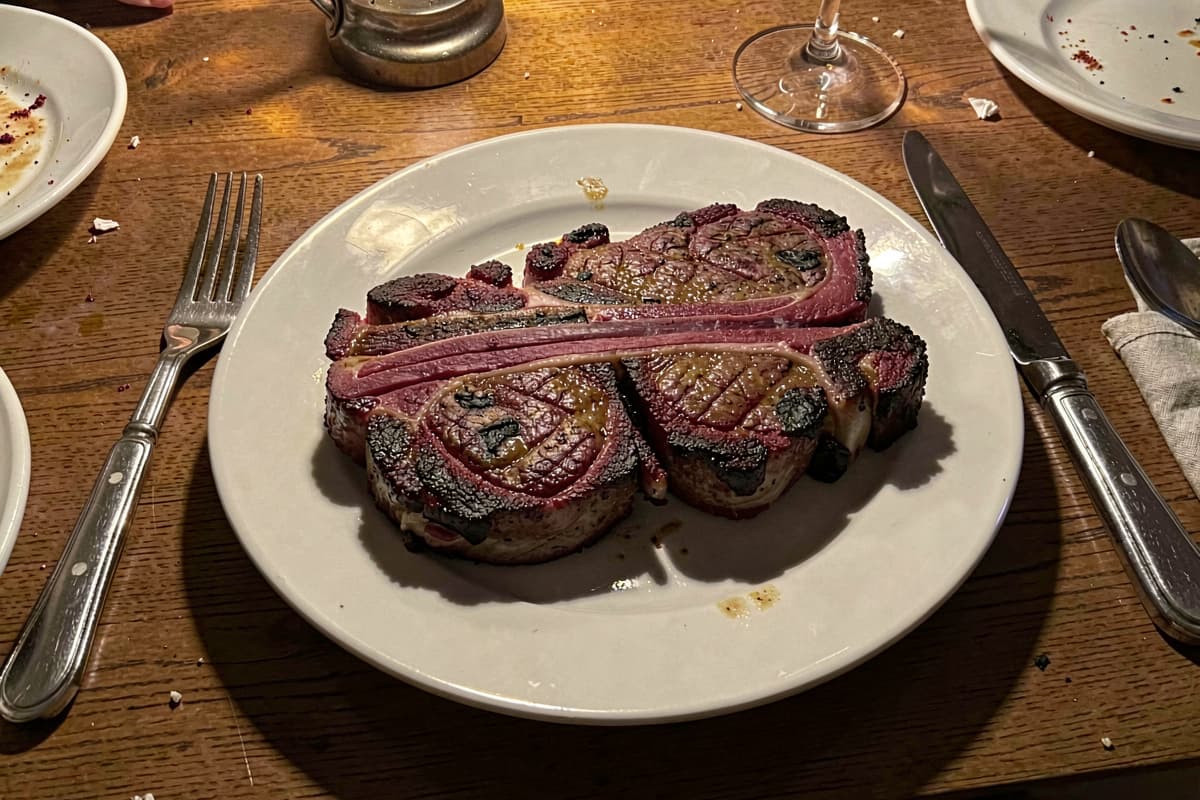
Chuck Eye Steak (Poor Man's Ribeye)
Chuck eye is the same muscle as ribeye, butchered from the chuck end. 24g protein, 16g fat per 100g cooked. Pan-sear 4 min/side, $7-10/lb vs $15+ for ribeye.
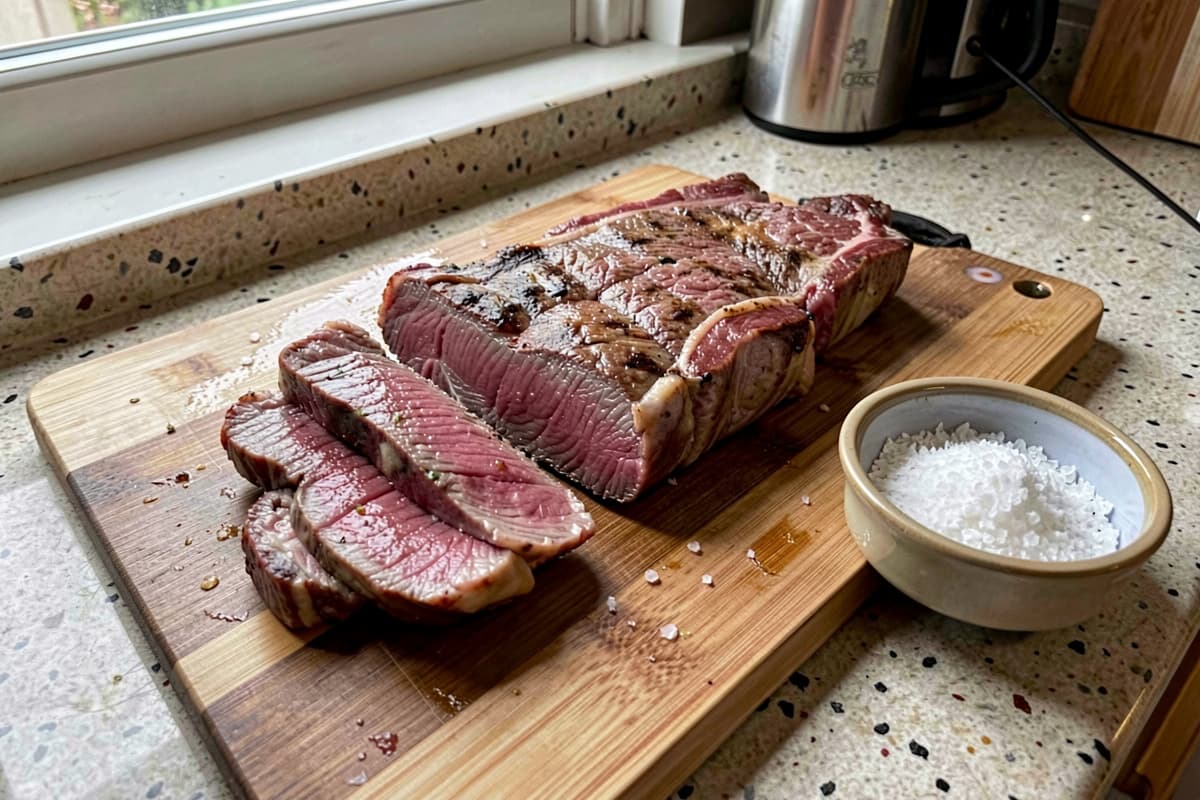
Flat Iron Steak (Pan-Seared, 8 Minutes)
Flat iron is a 6-8 oz shoulder steak with ribeye-level tenderness at $8-12/lb. Pan-sear 3-4 min/side. 27g protein, 13g fat per 100g cooked.
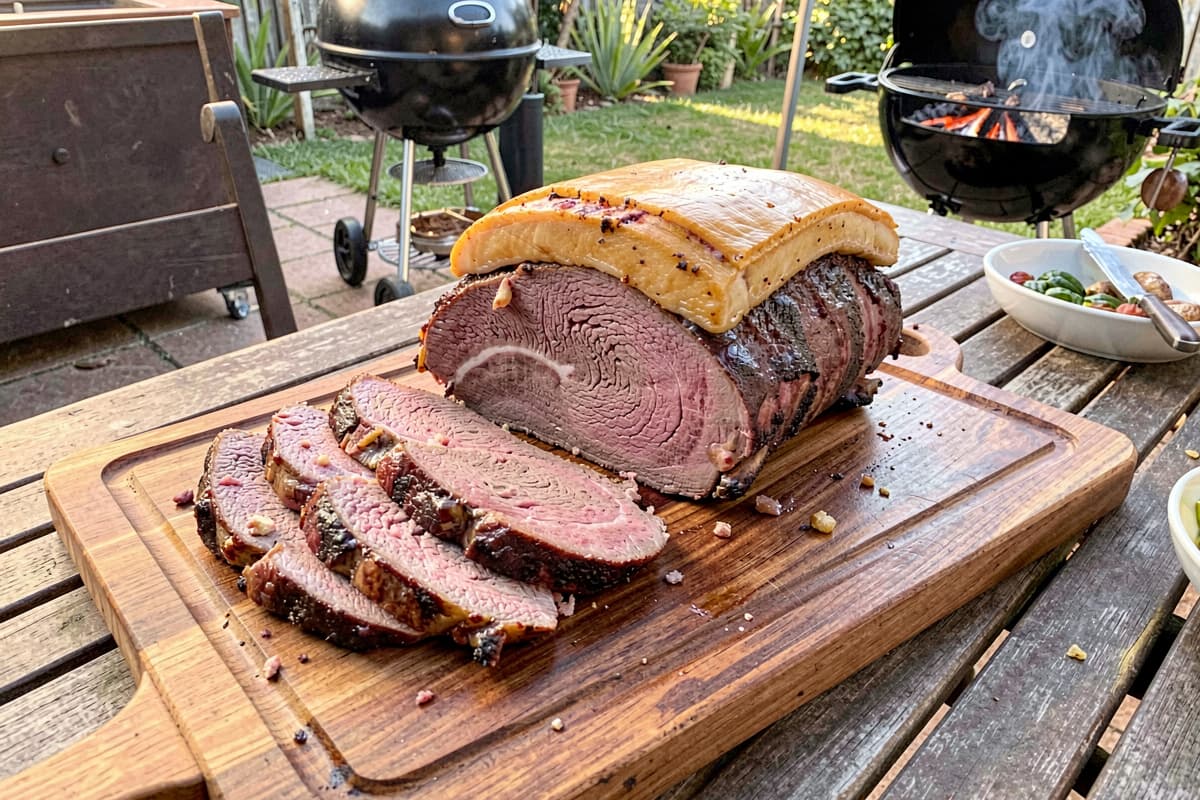
Picanha (Brazilian Top Sirloin Cap, Salt-Only)
Picanha is the top sirloin cap with fat cap intact — Brazilian steakhouse classic. Roast at 350°F to 130°F internal, slice across the grain.
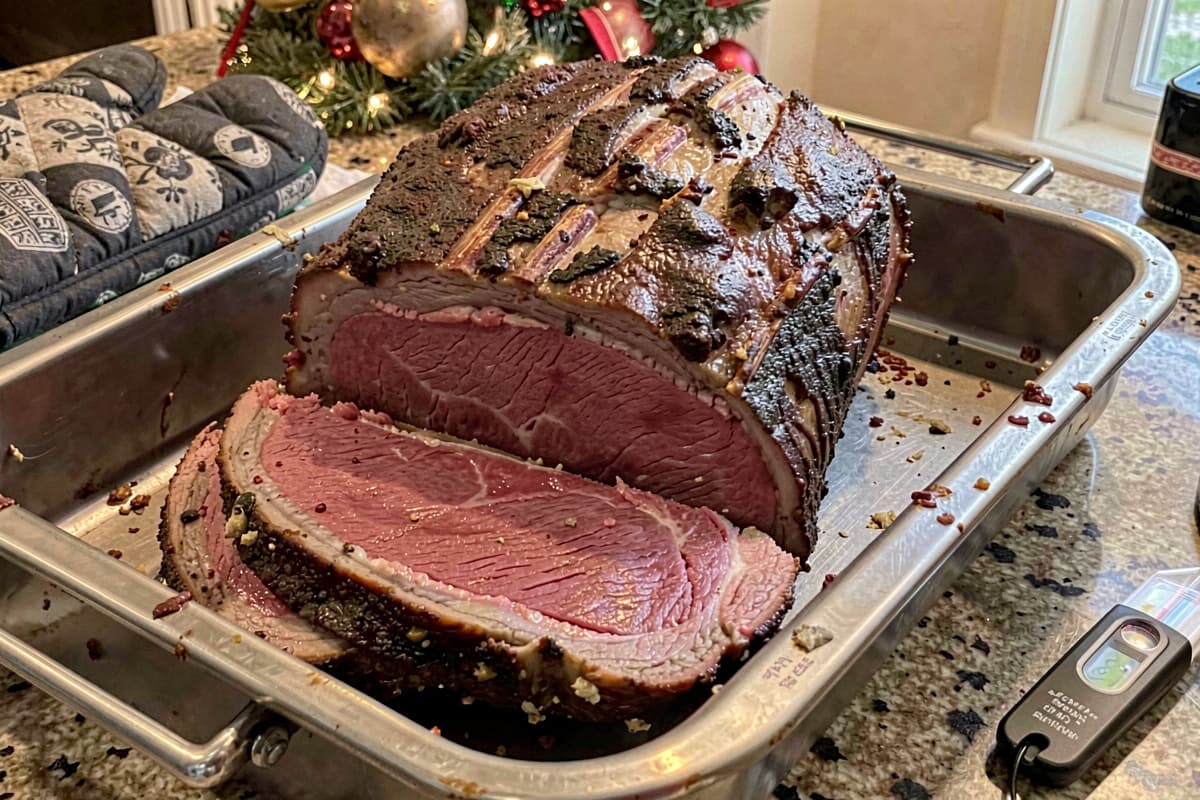
Reverse-Sear Prime Rib (Holiday Dinner)
Reverse sear: 250°F oven to 115°F internal, then 500°F sear 8 minutes. Edge-to-edge medium-rare for an 8-12 lb prime rib roast. 24g protein per 100g.
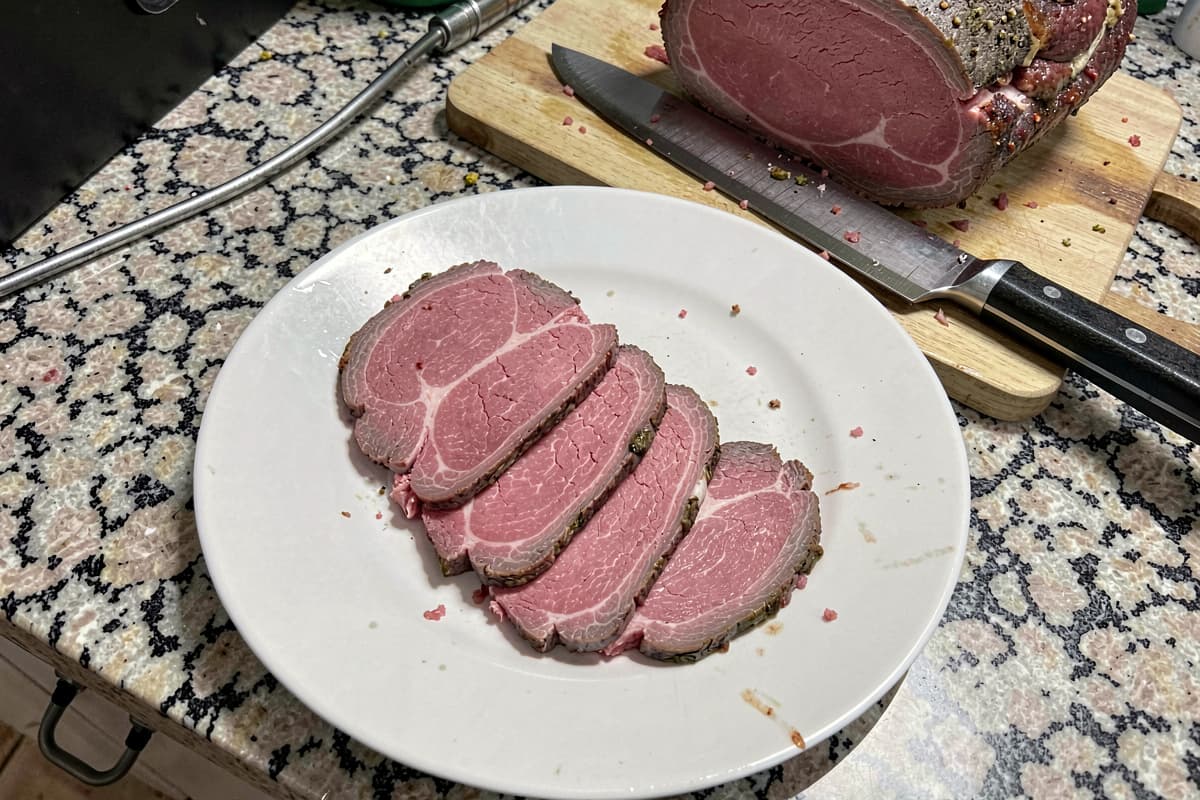
Bottom Round Roast (Lean Budget Slow-Roast)
Bottom round is a 3-4 lb lean roast at $5-7/lb. Slow-roast at 200°F for 90 minutes to 130°F internal, then sear. 28g protein, 5g fat per 100g cooked.
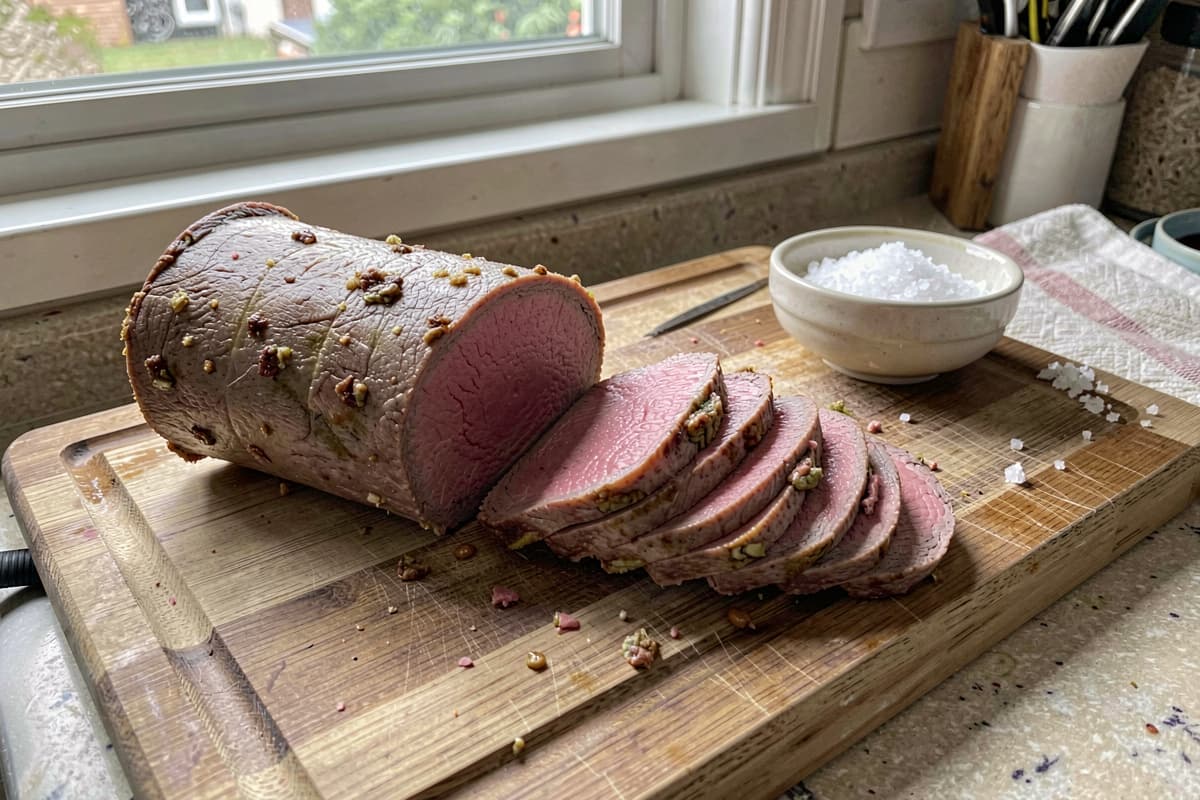
Eye of Round Roast (Cheapest Sliceable Beef)
Eye of round at $4-6/lb is the cheapest sliceable beef roast. Slow-roast at 200°F to 130°F internal, sear briefly. 29g protein, 5g fat per 100g cooked.
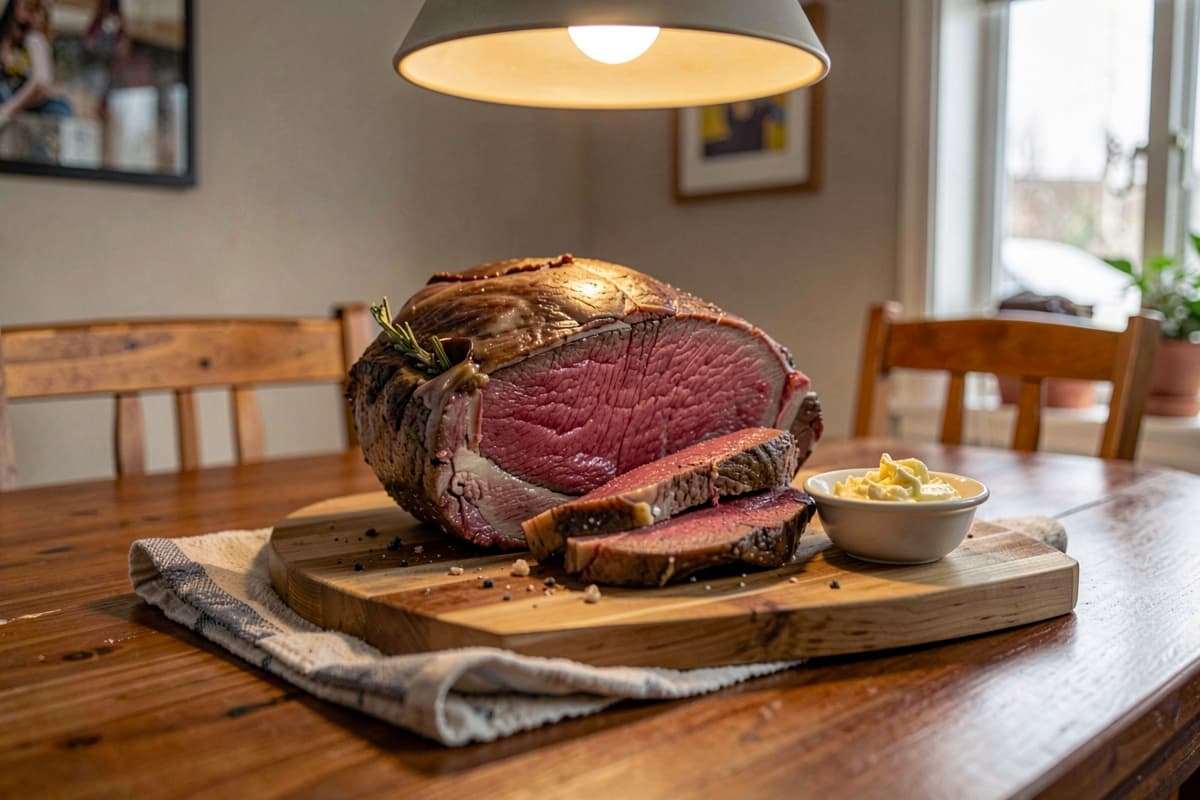
Top Round Roast (Lean Holiday Beef)
Top round is a 4-5 lb lean roast, $6-8/lb. Slow-roast at 200°F for ~2 hrs to 130°F, sear briefly. 28g protein, 6g fat per 100g cooked. Feeds 8.
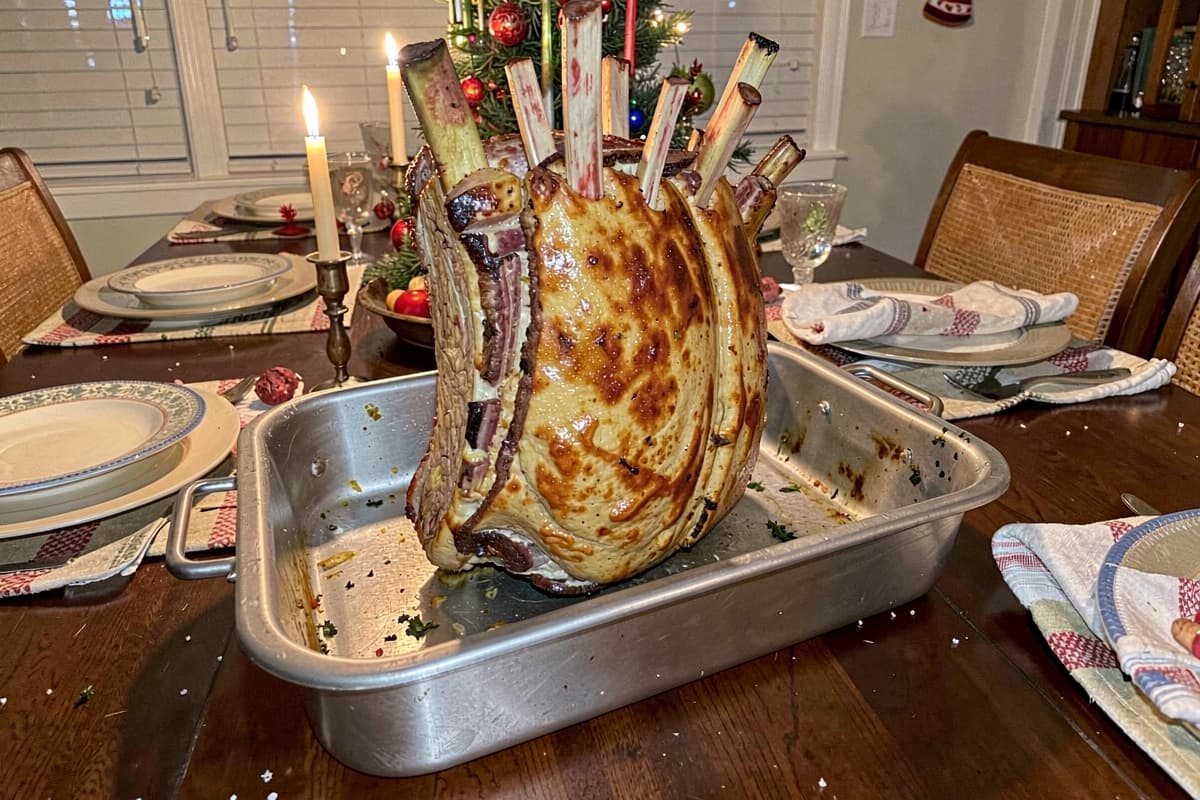
Standing Rib Roast (Bone-In, Salt-Crusted)
Bone-in prime rib — 4-rib roast (8-10 lb) at 250°F oven to 115°F, sear at 500°F. Salt only. 24g protein, 18g fat per 100g. Feeds 8-10.
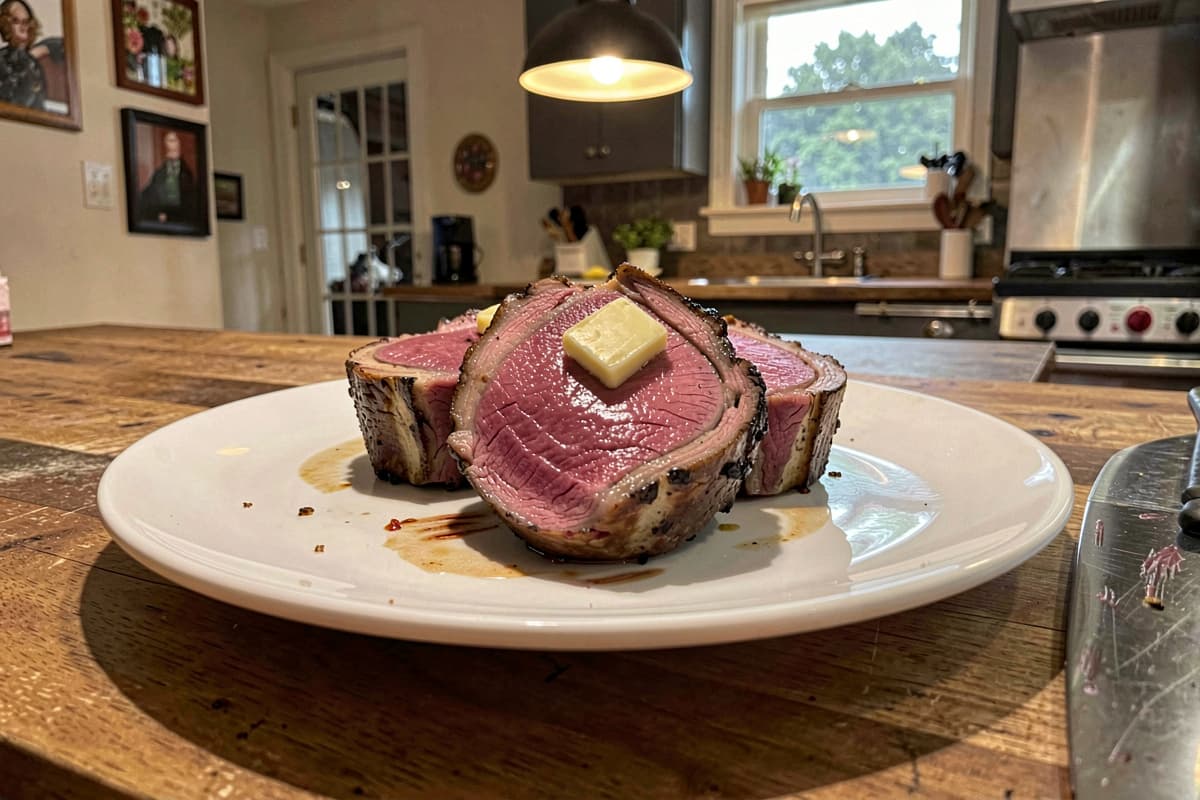
Chateaubriand (Center-Cut Tenderloin Roast)
Chateaubriand is the center-cut tenderloin, 1.5-2 lb roast. Reverse sear at 250°F to 120°F, finish with butter baste. 27g protein, 9g fat per 100g cooked.
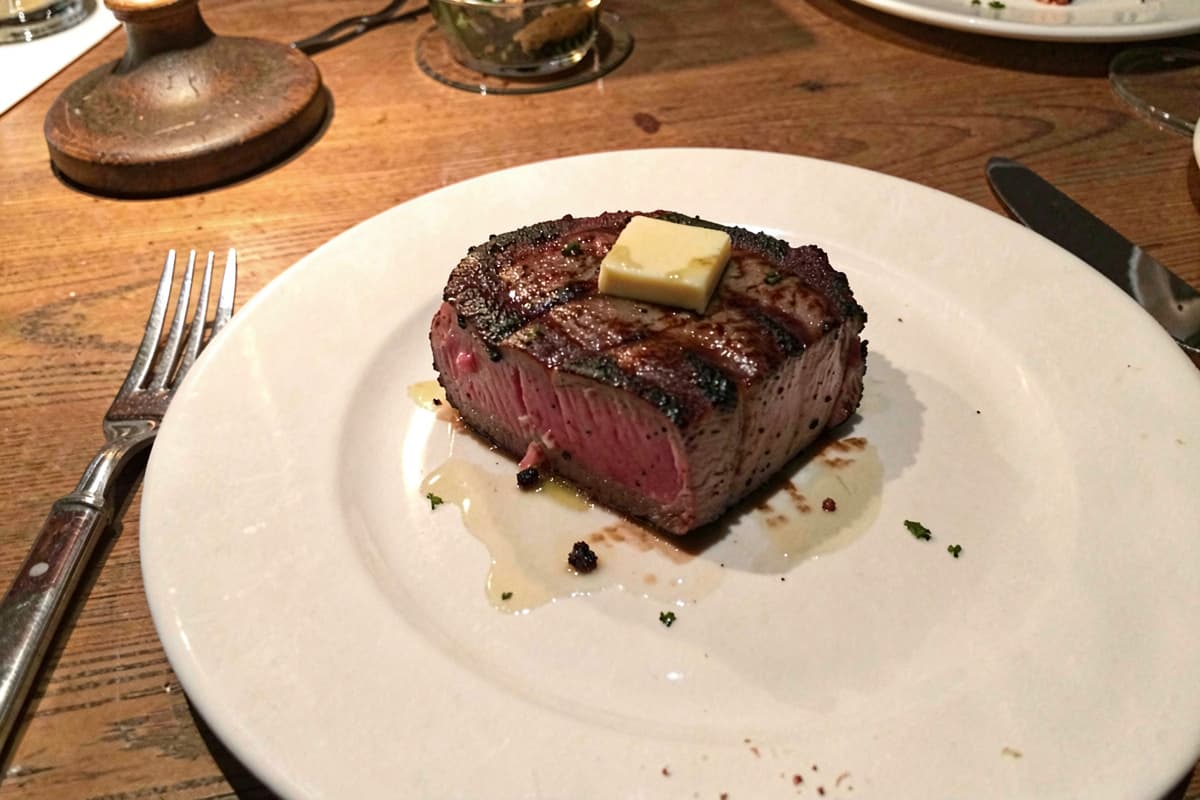
Pan-Seared Filet Mignon (Cast Iron, 8 Minutes)
Filet mignon is a 6-8 oz tenderloin steak. Pan-sear in butter 3-4 min/side, baste, rest. 27g protein, 9g fat per 100g cooked. The most tender steak available.
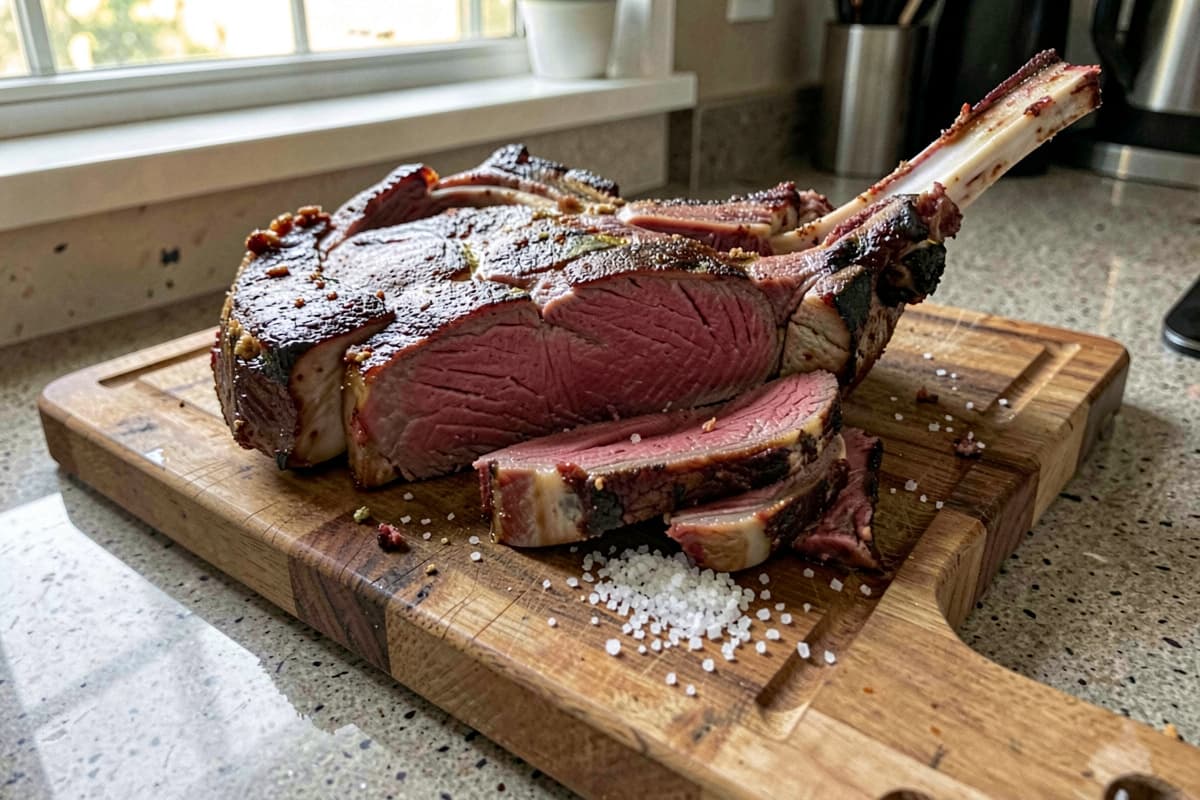
Kansas City Strip Steak (Bone-In, Cast Iron)
KC strip is a bone-in strip steak from the short loin. Pan-sear 4 min/side in butter. 27g protein, 14g fat per 100g cooked. $14-18/lb at most butchers.
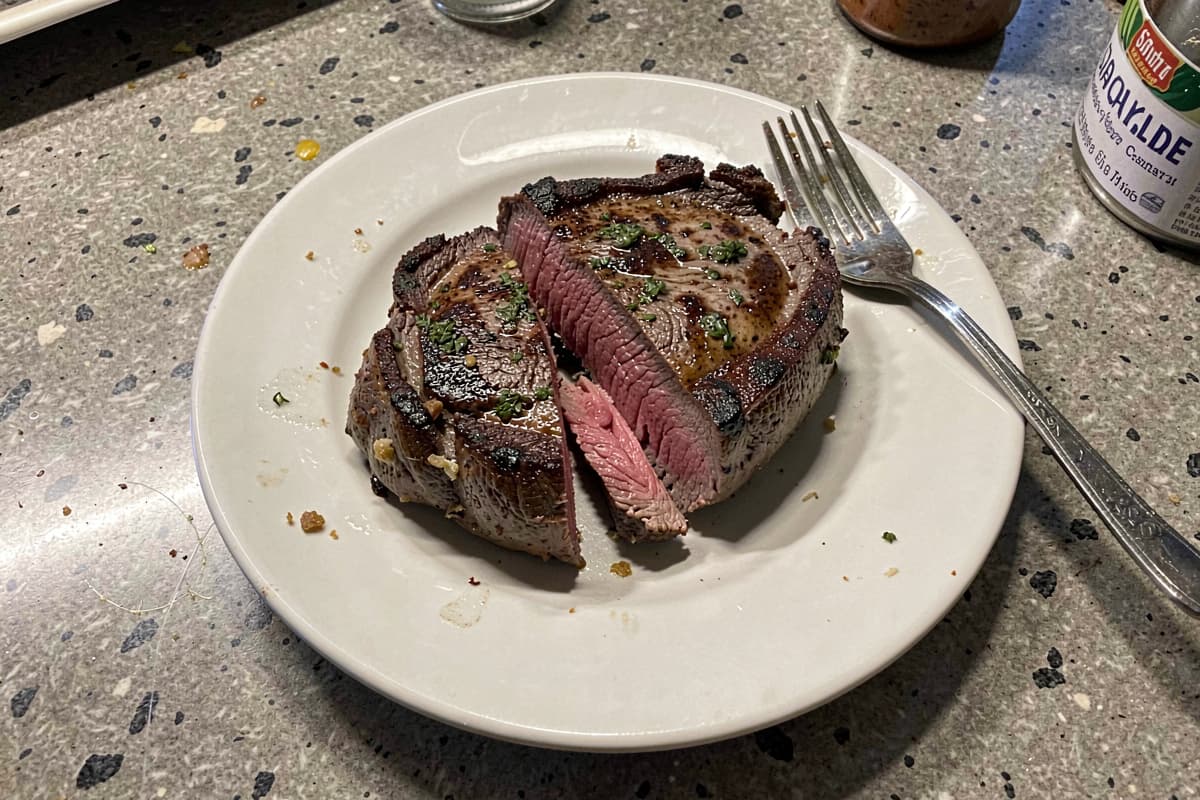
Ranch Steak (Lean Chuck Cut, $8/lb)
Ranch steak is a lean chuck shoulder cut at $7-9/lb. Pan-sear quick and hot, finish with butter. 27g protein per 100g. Pull at 130°F medium-rare.
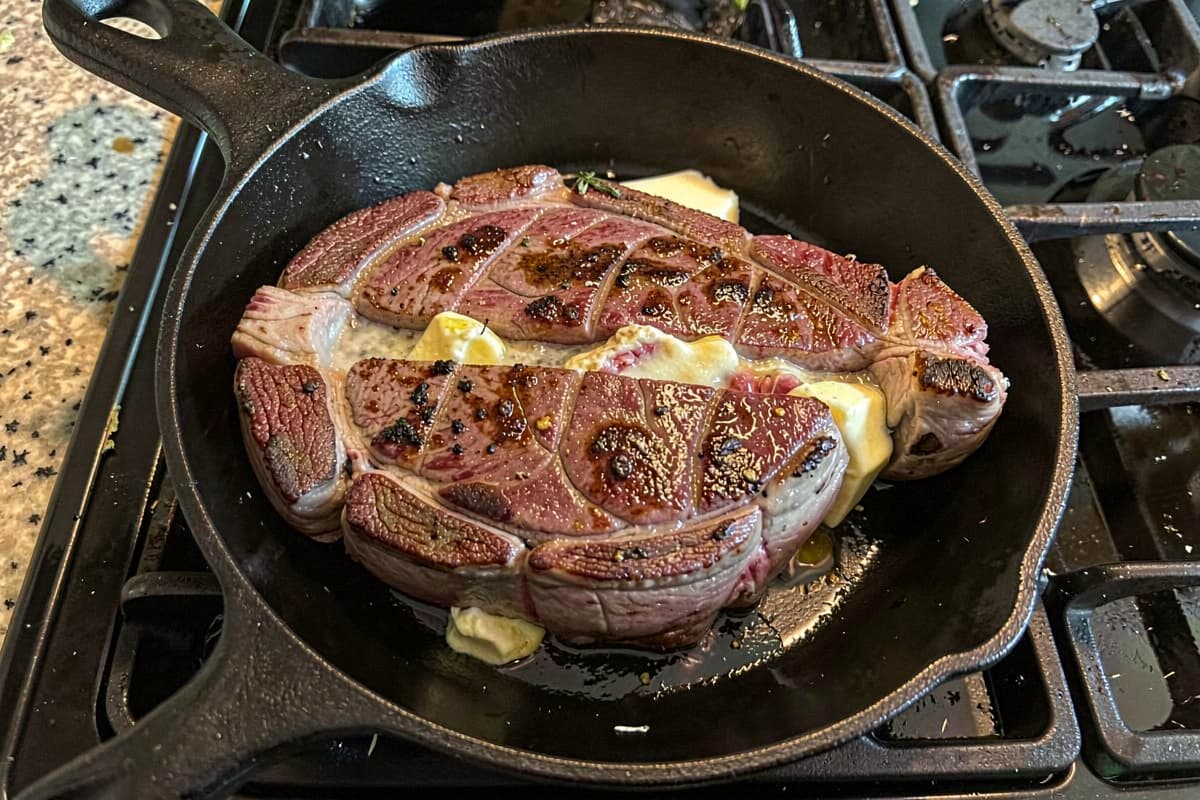
Top Blade Steak (Sliced Around the Sinew)
Top blade is a chuck cut with a single connective band. Pan-sear, slice the band out, eat the two muscles separately. 26g protein per 100g.
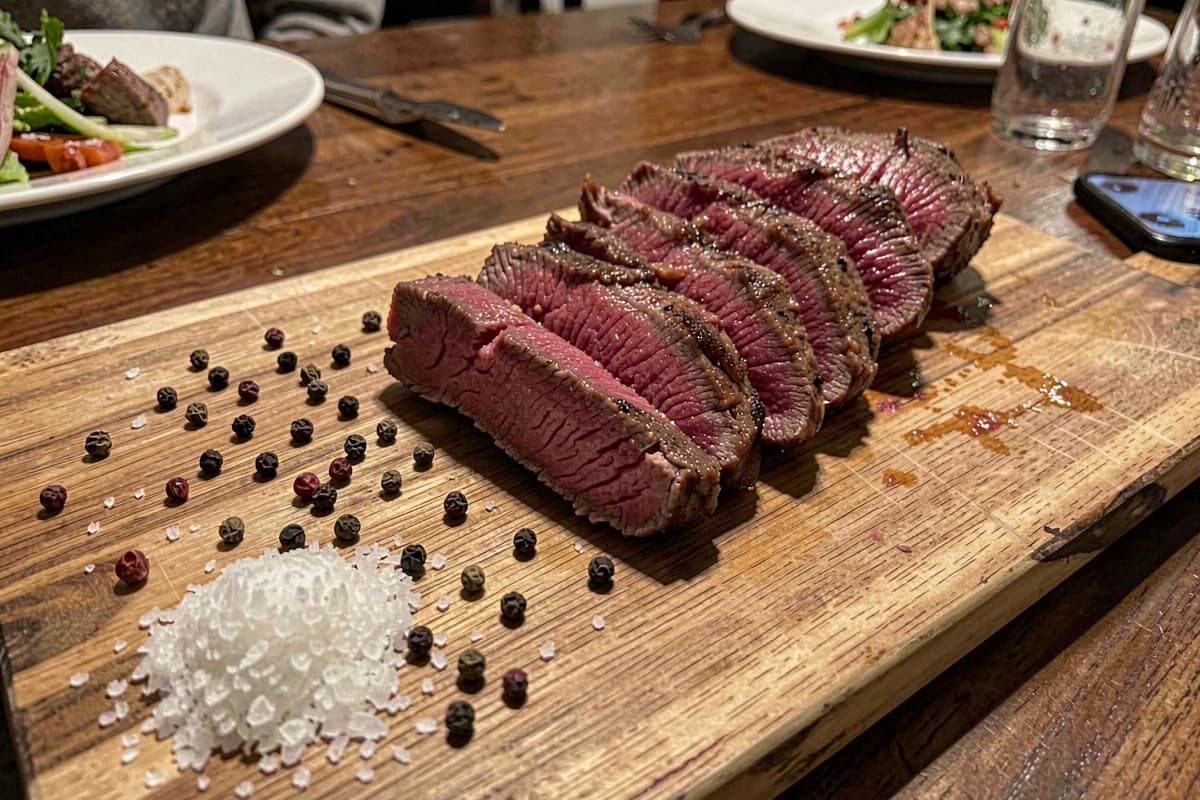
Hanger Steak (Butcher's Cut, Pan-Seared)
Hanger steak is a 1-1.5 lb tender cut historically kept by butchers. Pan-sear 3 min/side, slice across grain. 25g protein, 14g fat per 100g cooked.
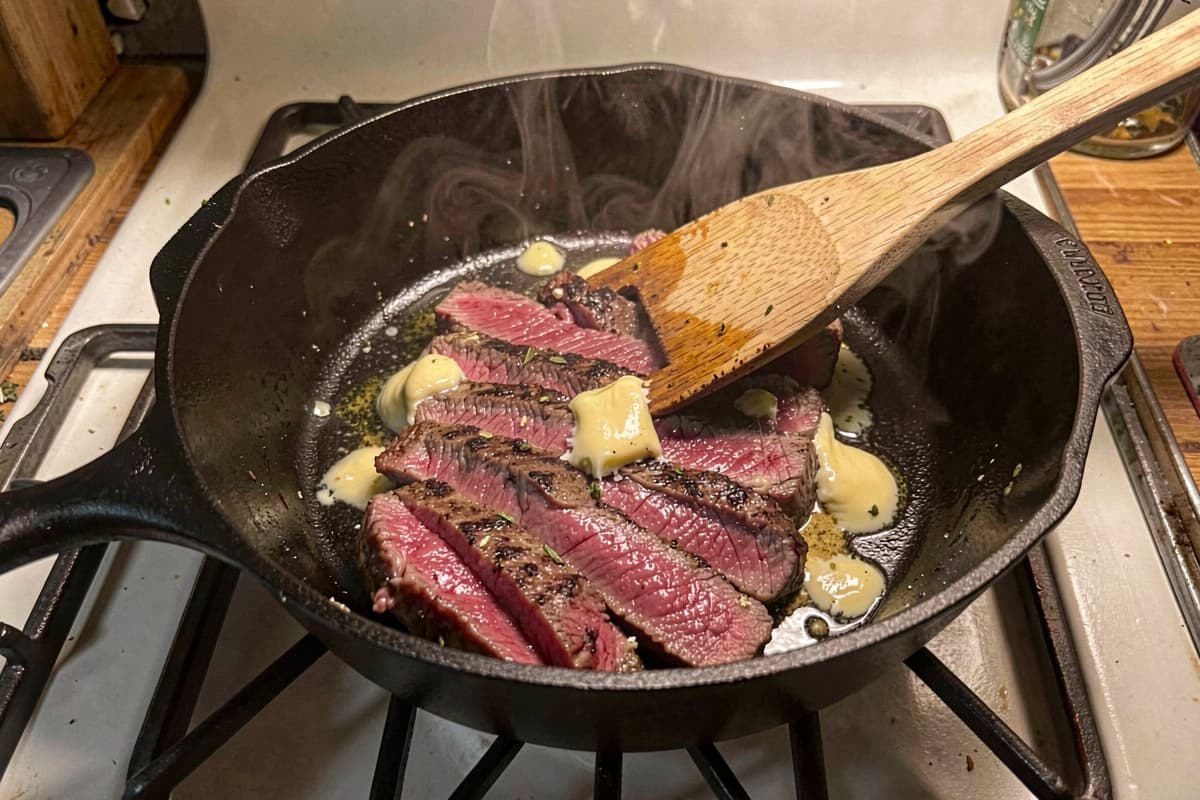
Skirt Steak (Hot-Sear, Sliced Thin)
Skirt steak is a 1.5-2 lb diaphragm cut. Sear 2-3 min/side over very high heat, slice paper-thin across the grain. 24g protein, 18g fat per 100g cooked.
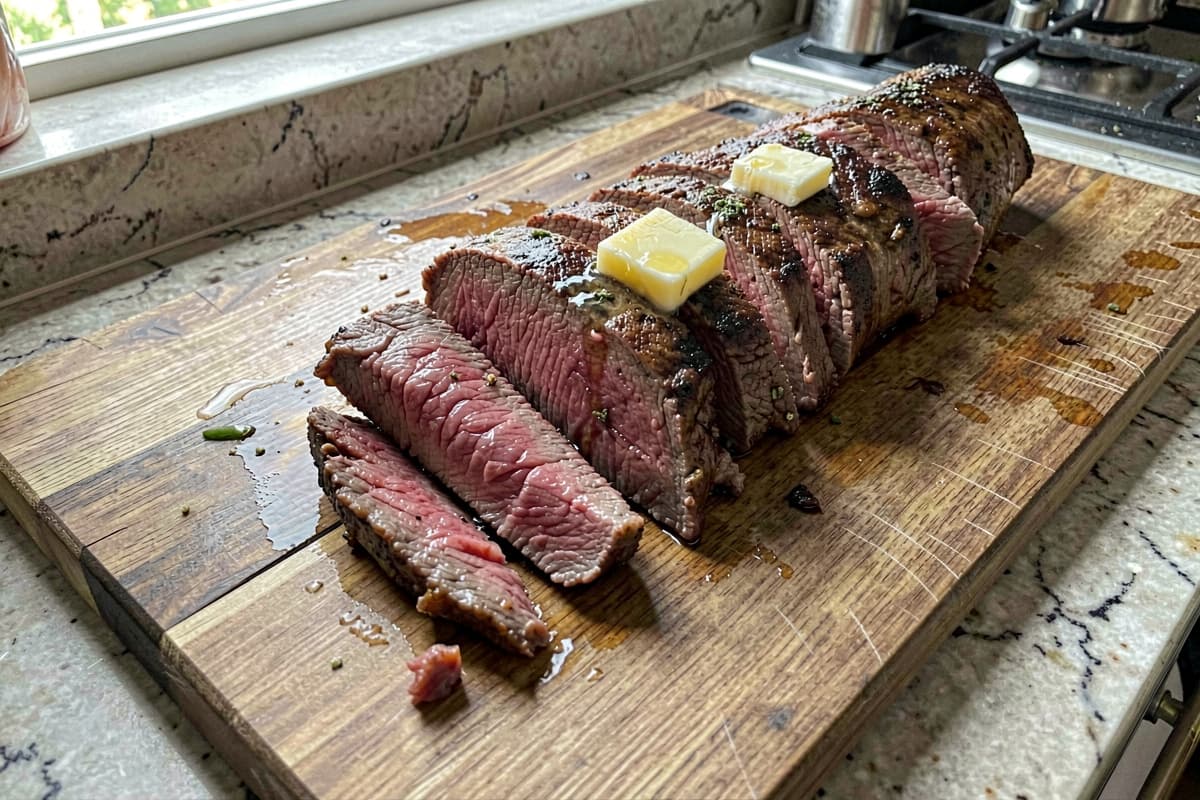
Flank Steak (Pan-Seared, Salt-Only)
Flank is a lean 1.5-2 lb cut from the abdomen. Sear 3-4 min/side, slice thin across the grain. 24g protein, 5g fat per 100g cooked. Cheap and lean.
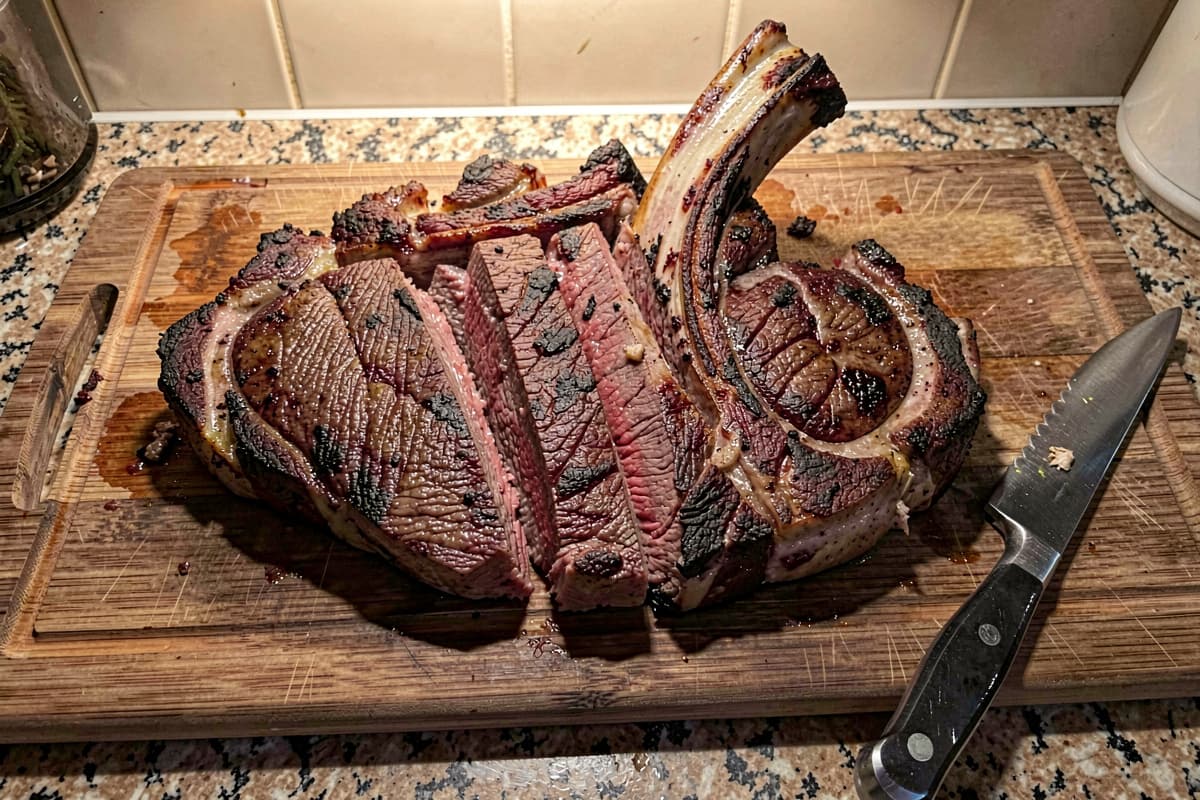
Porterhouse Steak (T-Bone with Filet Side)
Porterhouse is a thick T-bone with at least 1.25 inches of filet on one side. Pan-sear 4-5 min/side, slice from bone, share. 24g protein, 16g fat per 100g.
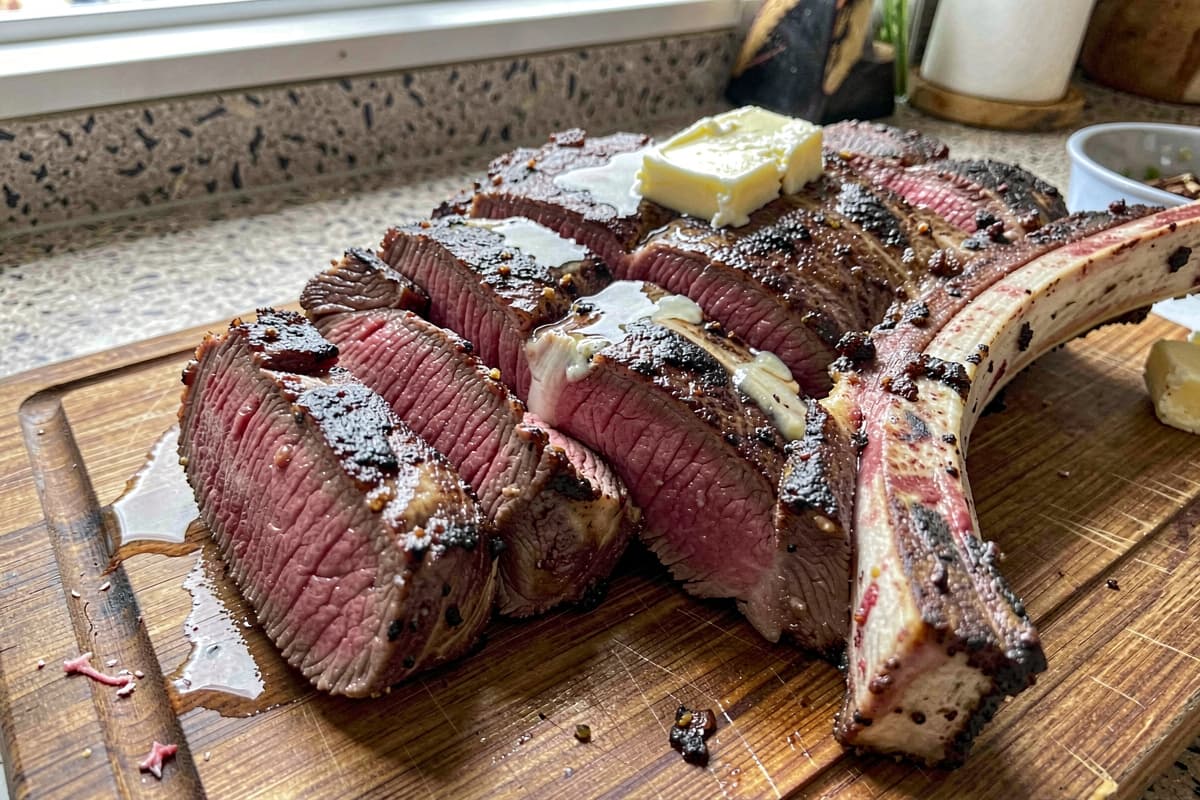
Bone-In Ribeye Reverse Sear
Reverse sear: 250°F oven to 115°F internal, then 60-second blast in butter. Edge-to-edge medium-rare for thick bone-in ribeye. 24g protein, 18g fat per 100g.
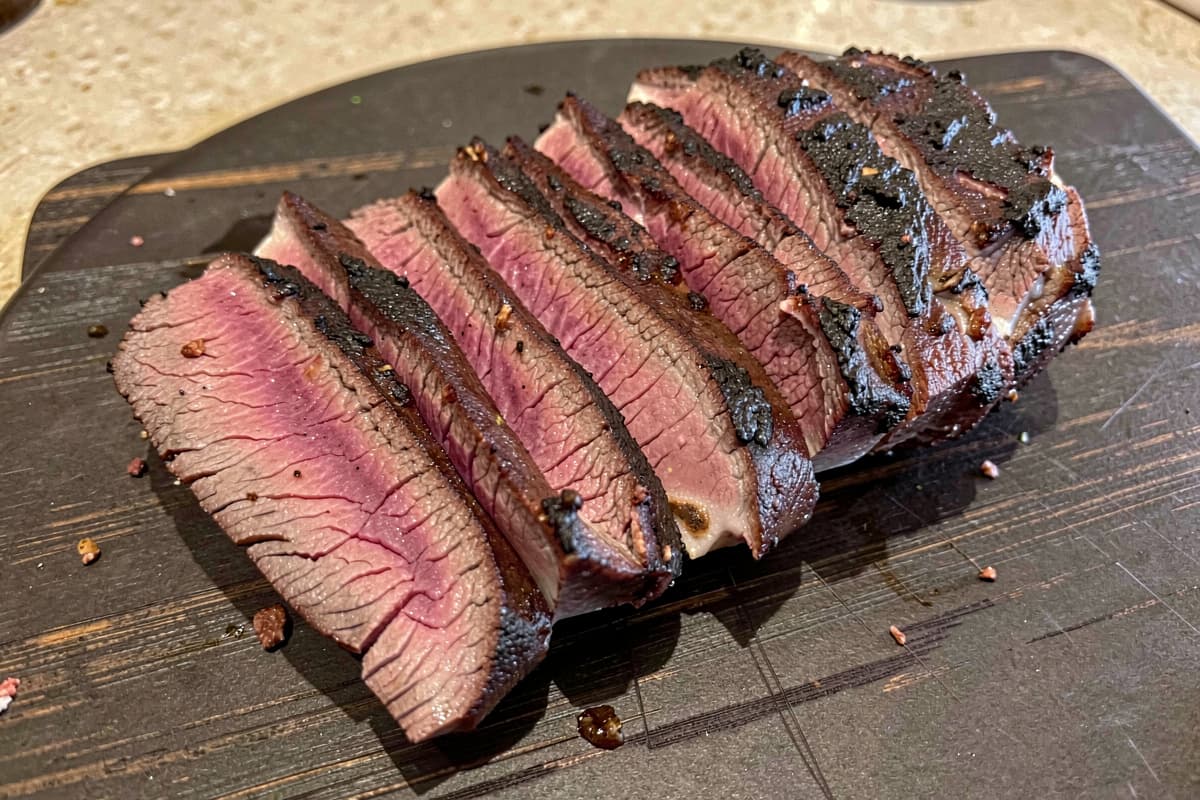
Smoked Tri-Tip (Reverse Sear, Salt Only)
Tri-tip smoked at 225°F to 110°F internal, then seared at 500°F for 90 seconds per side. Reverse-sear gives smoke flavor + crust. 2-hour cook.
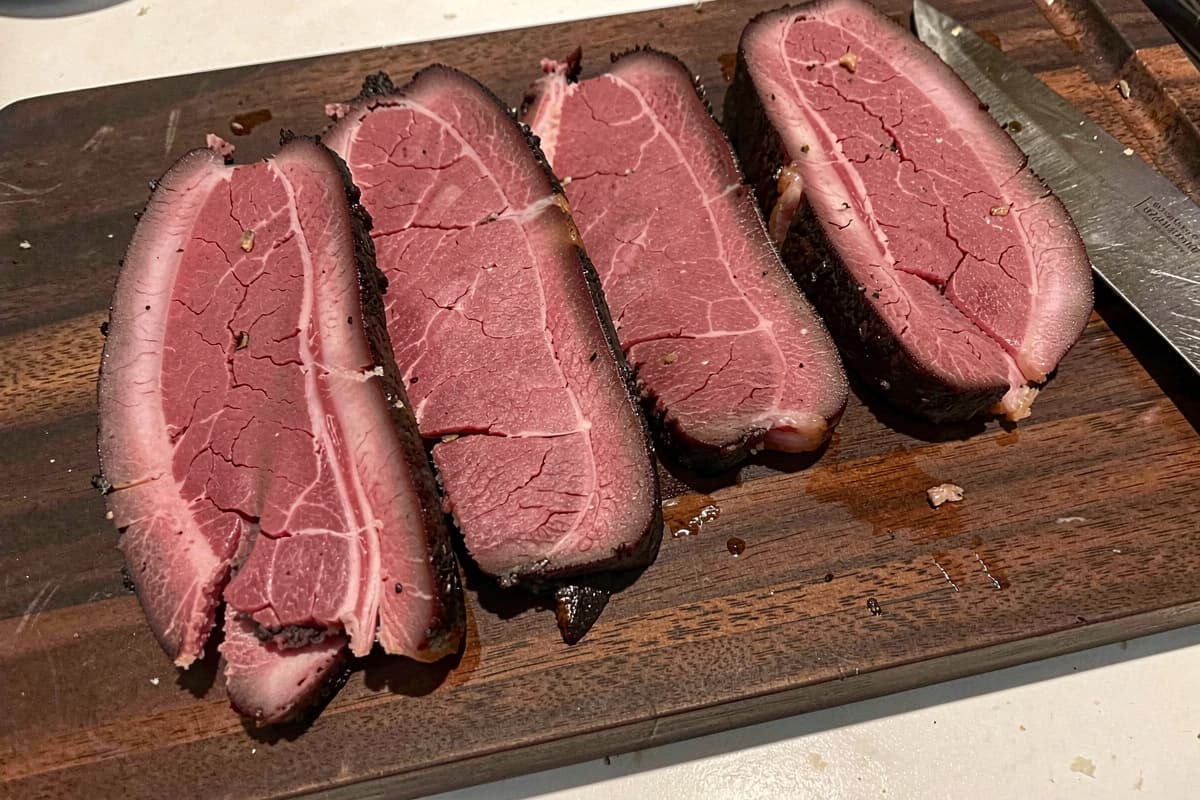
Smoked Corned Beef (Pastrami-Style)
Corned beef brisket soaked 4 hours to remove excess salt, then smoked at 225°F for 5-6 hours to 195°F. The carnivore pastrami — no peppercorn rub.
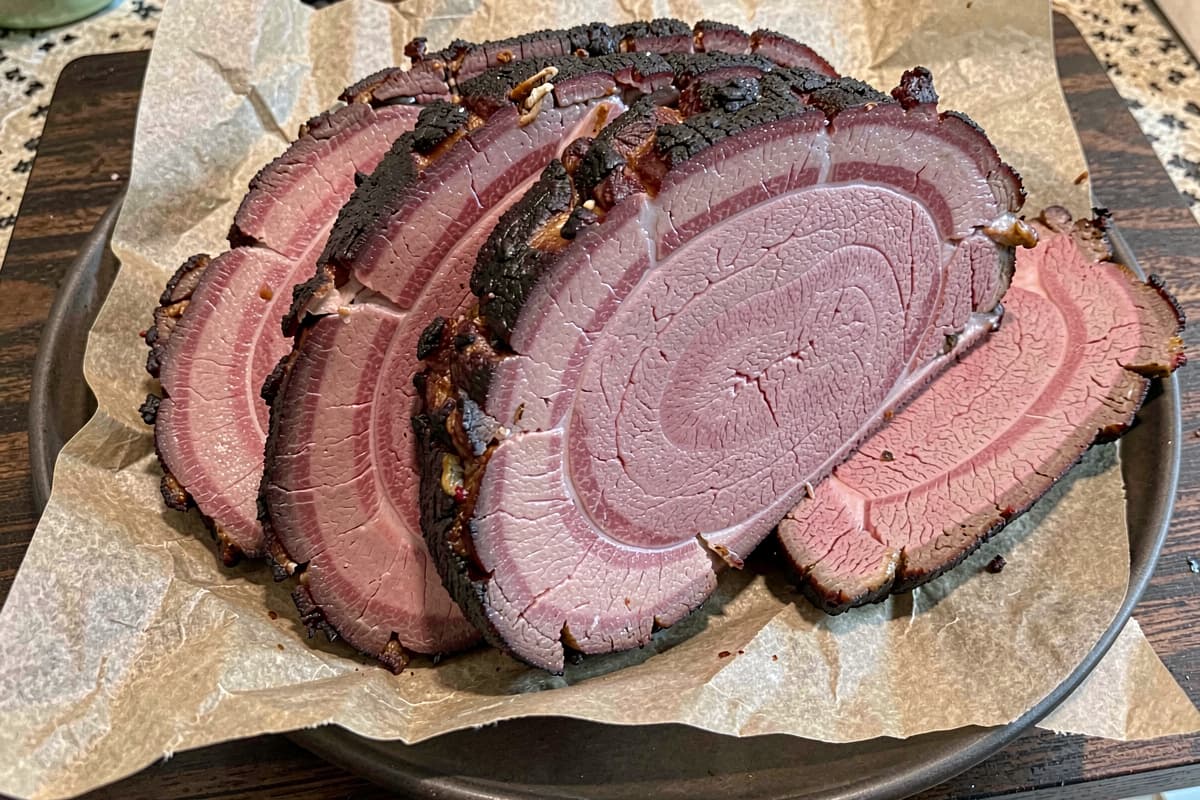
Smoked Beef Brisket (Carnivore, 12-14 Hours)
Whole 12-lb packer brisket smoked at 225°F for 14 hours to 203°F internal. Salt-only Texas-pepper omitted. Feeds 14 at $4 per serving.
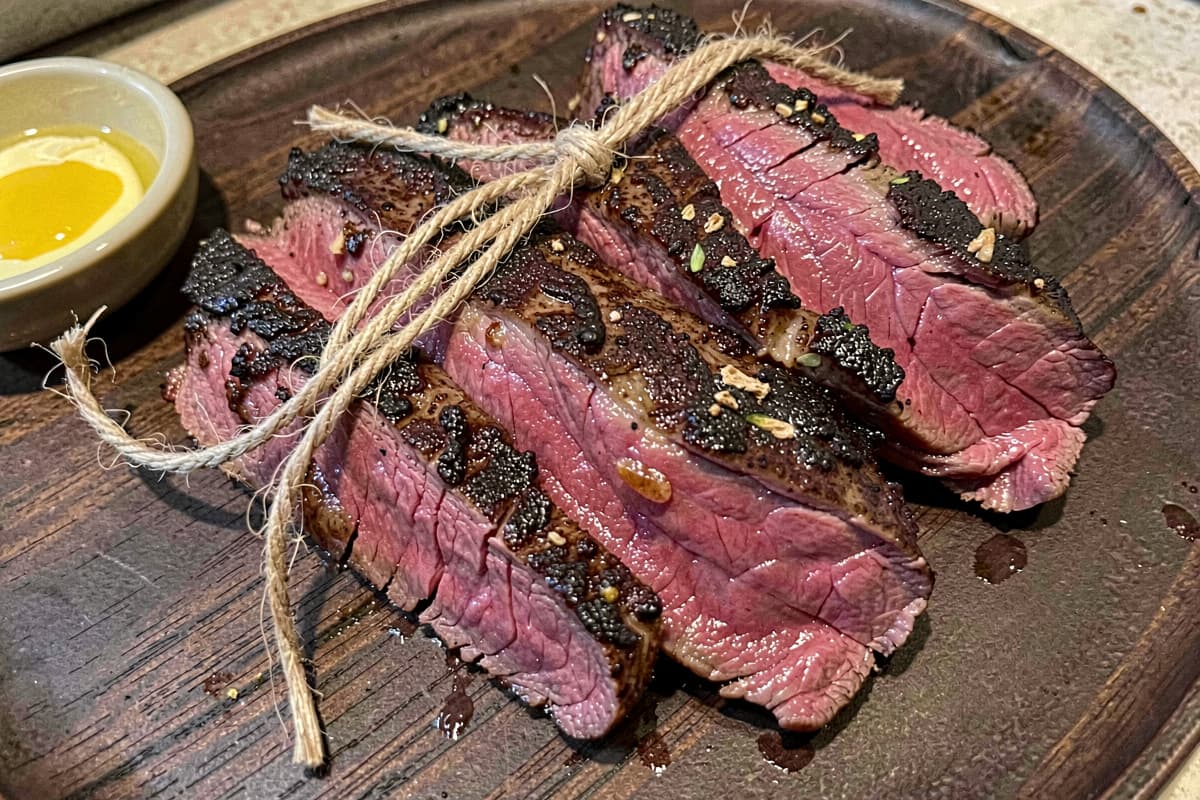
Smoked Beef Tenderloin (Reverse Sear)
4-pound trimmed tenderloin smoked at 225°F to 110°F, then seared at 500°F for 90 seconds per side. Most tender beef cut + smoke flavor. $20-25/lb.
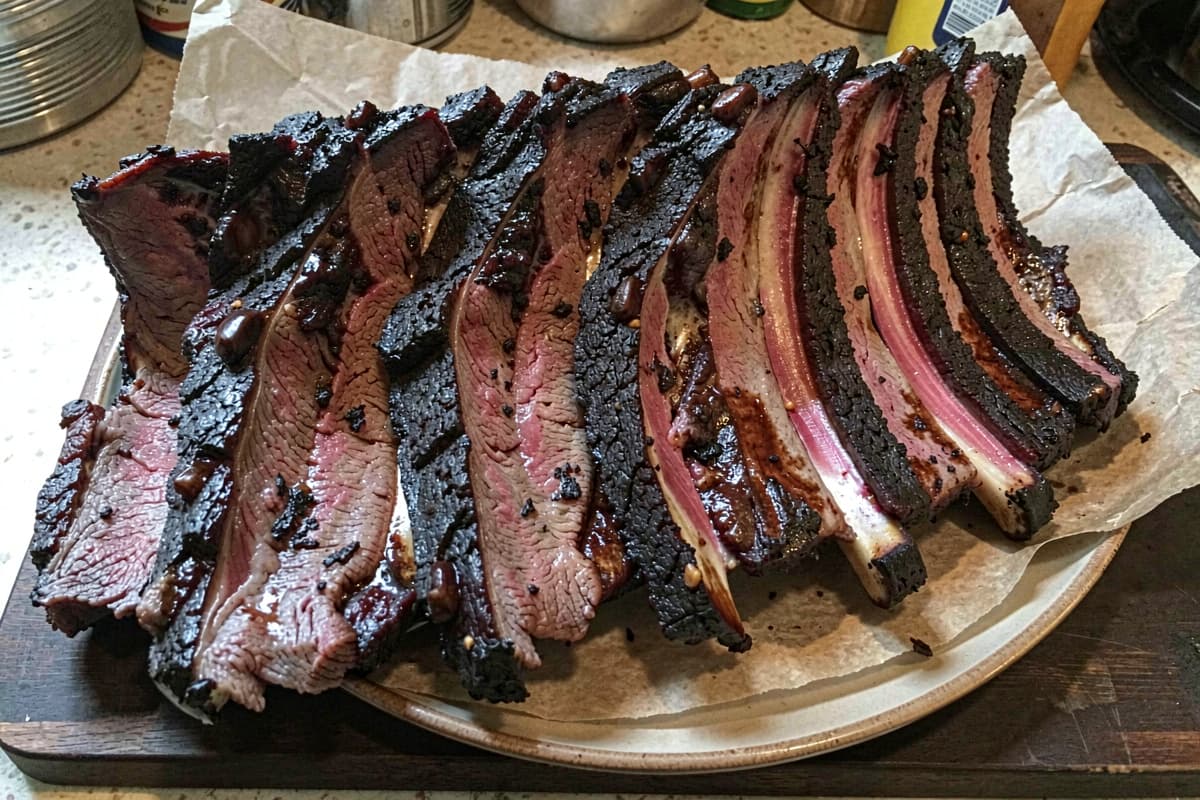
Smoked Beef Back Ribs (The Dino Bones)
Beef back ribs from a prime rib roast smoked at 225°F for 5-6 hours to 203°F. Cheap, fatty, easy. Salt only. 26g protein per 6 oz at $3-5 per pound.
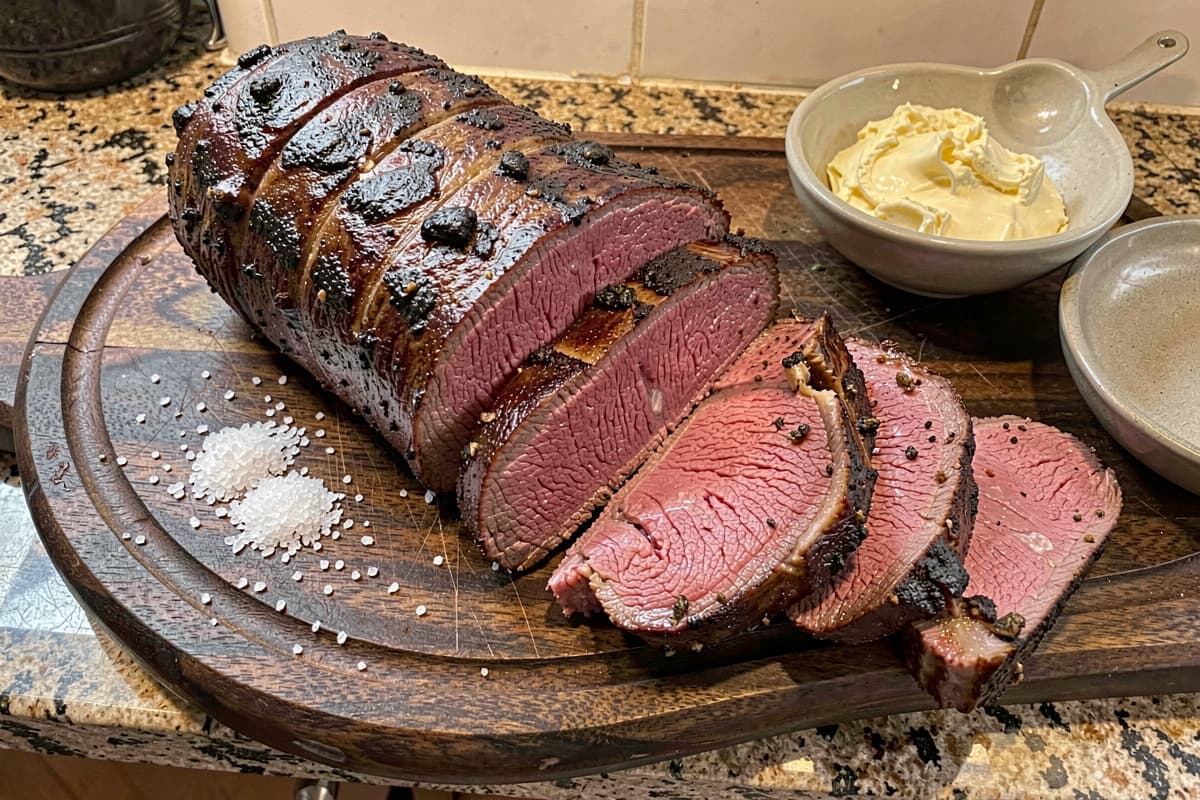
Roasted Whole Beef Tenderloin
4-5 lb trimmed tenderloin roasted at 425°F for 35-45 minutes to 130°F internal. Salt and butter only. The cleanest centerpiece roast for 8 people.
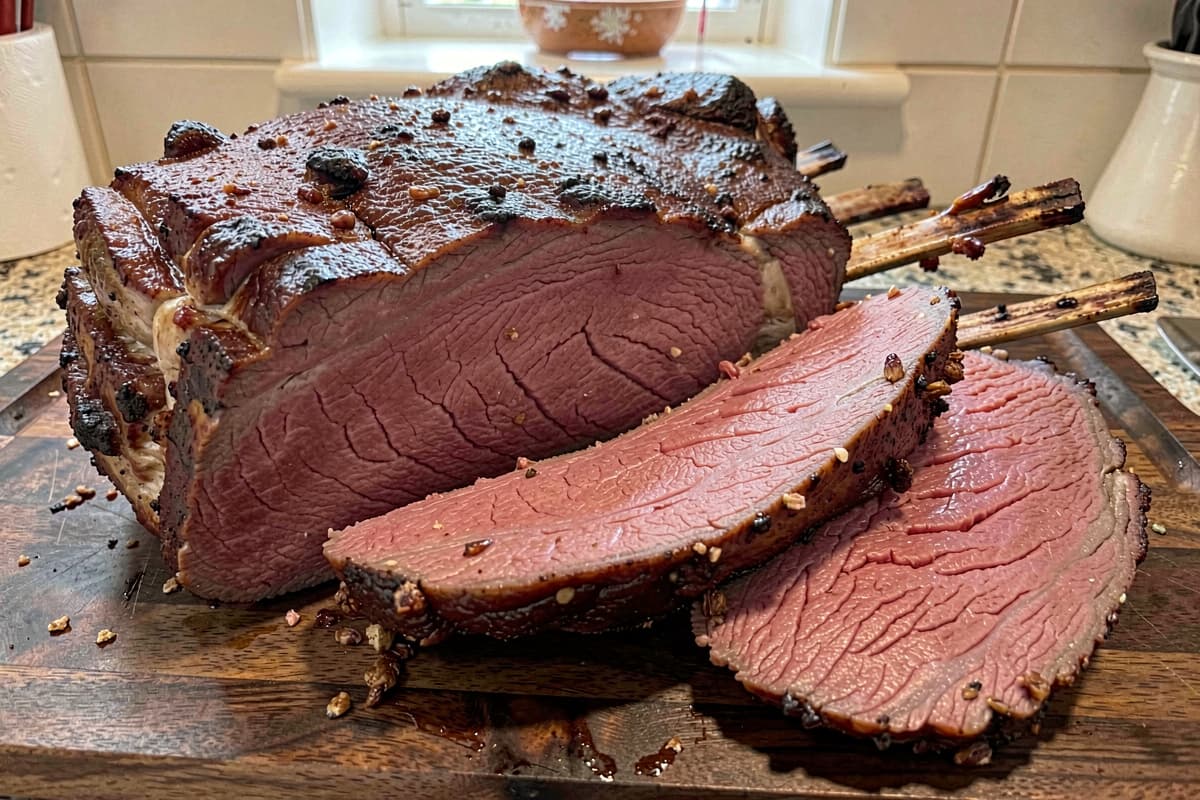
Reverse-Sear Standing Rib Roast (Carnivore)
5-7 lb 3-bone standing rib roast cooked low at 250°F to 115°F internal, then seared at 500°F. Salt only. The carnivore Sunday-dinner centerpiece.
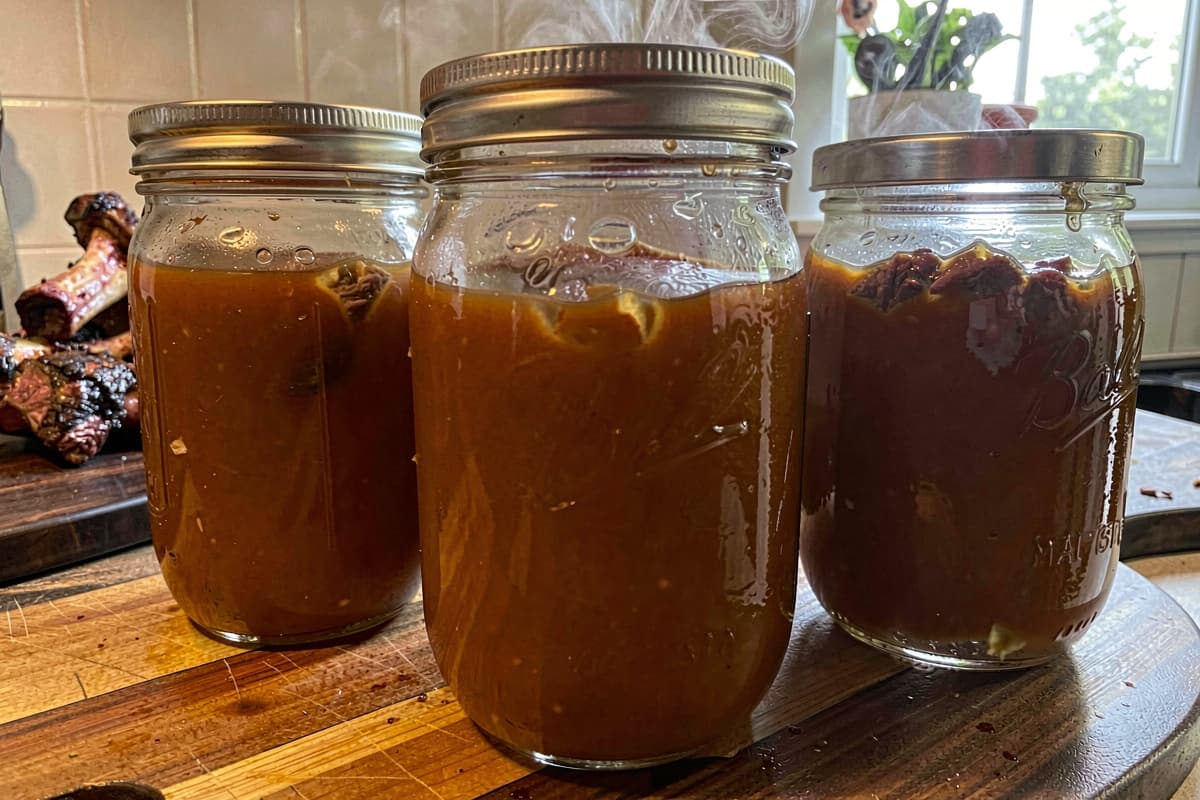
Beef Broth from Scratch (24-Hour Bone Broth)
Roast beef bones, simmer 24 hours with cold water and salt only. Yields 8 cups of gelatin-rich broth at $1 per cup. Clean carnivore alternative to canned.
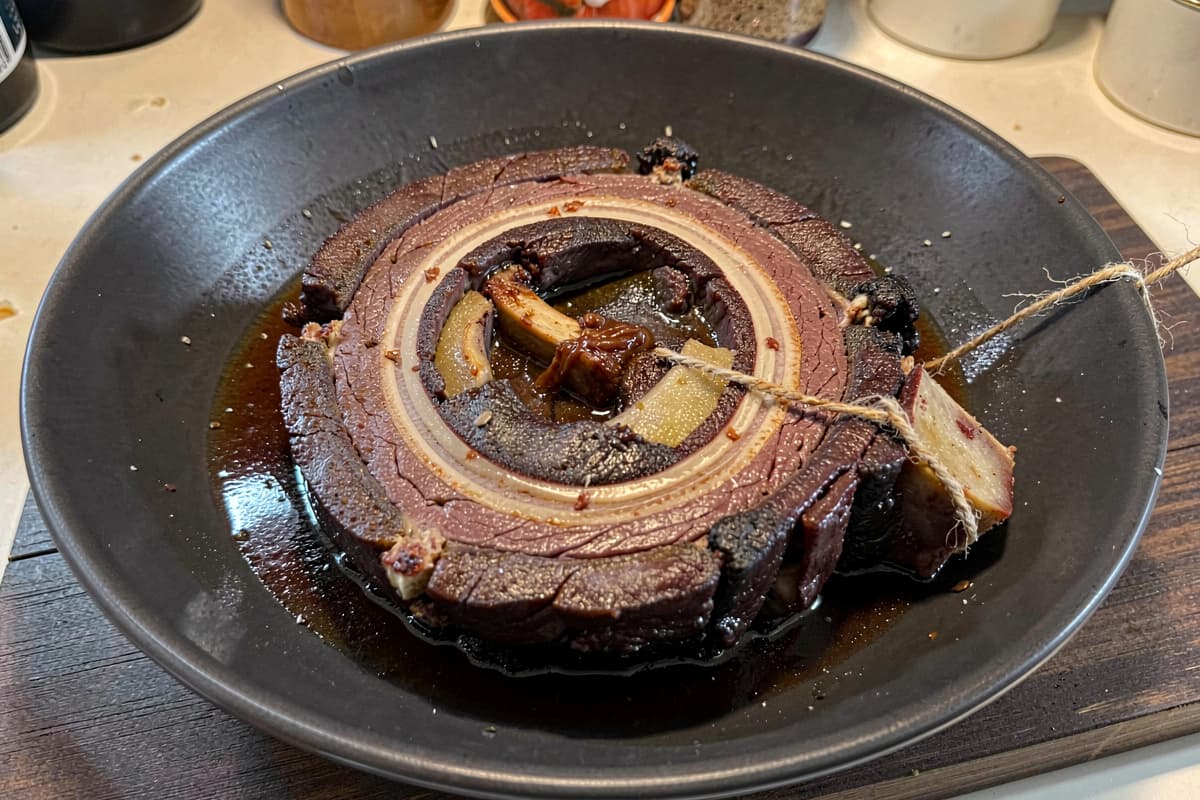
Beef Osso Buco (Carnivore Adaptation)
Cross-cut beef shanks braised in beef broth at 325°F for 3 hours. Salt only — no wine, no soffritto, no gremolata. Italian technique, carnivore framing.
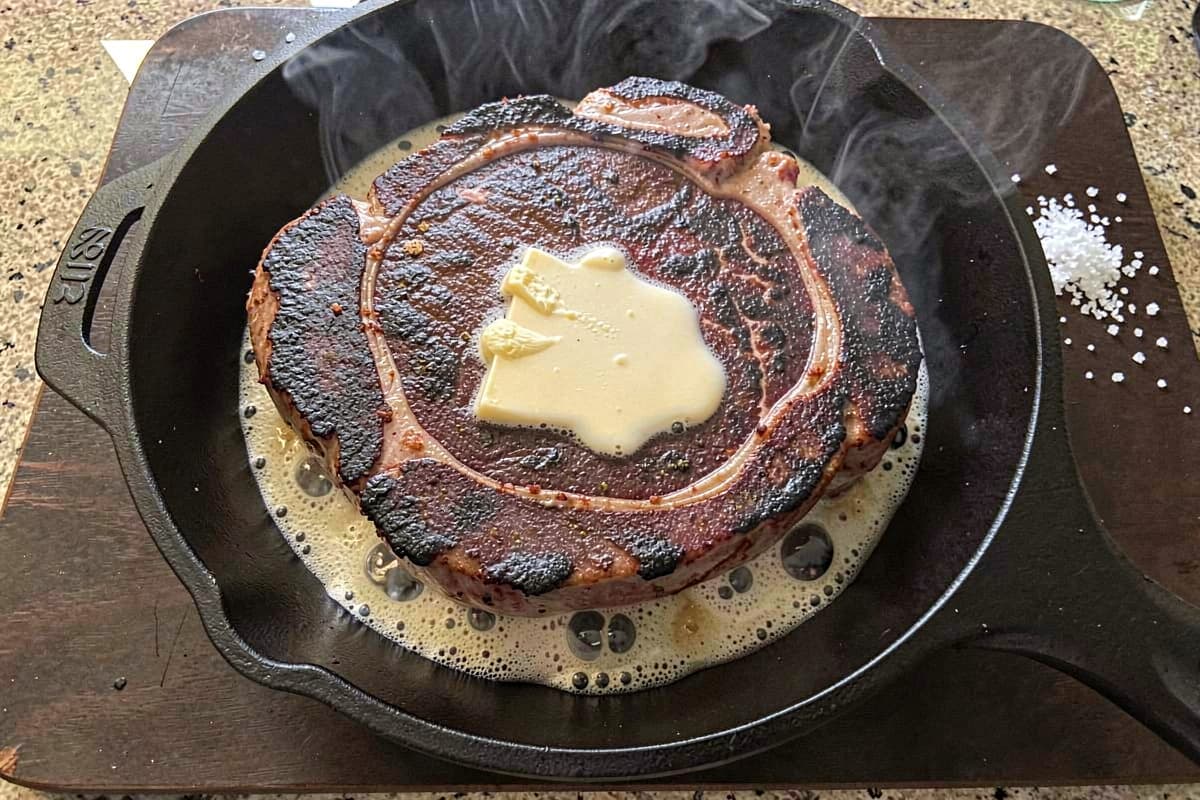
Cast Iron Skillet Steak (4-Minute Method)
Ribeye or strip steak in a 500°F+ cast iron skillet for 4 minutes per side, butter-basted last 60 seconds. The everyday 8-minute carnivore dinner.
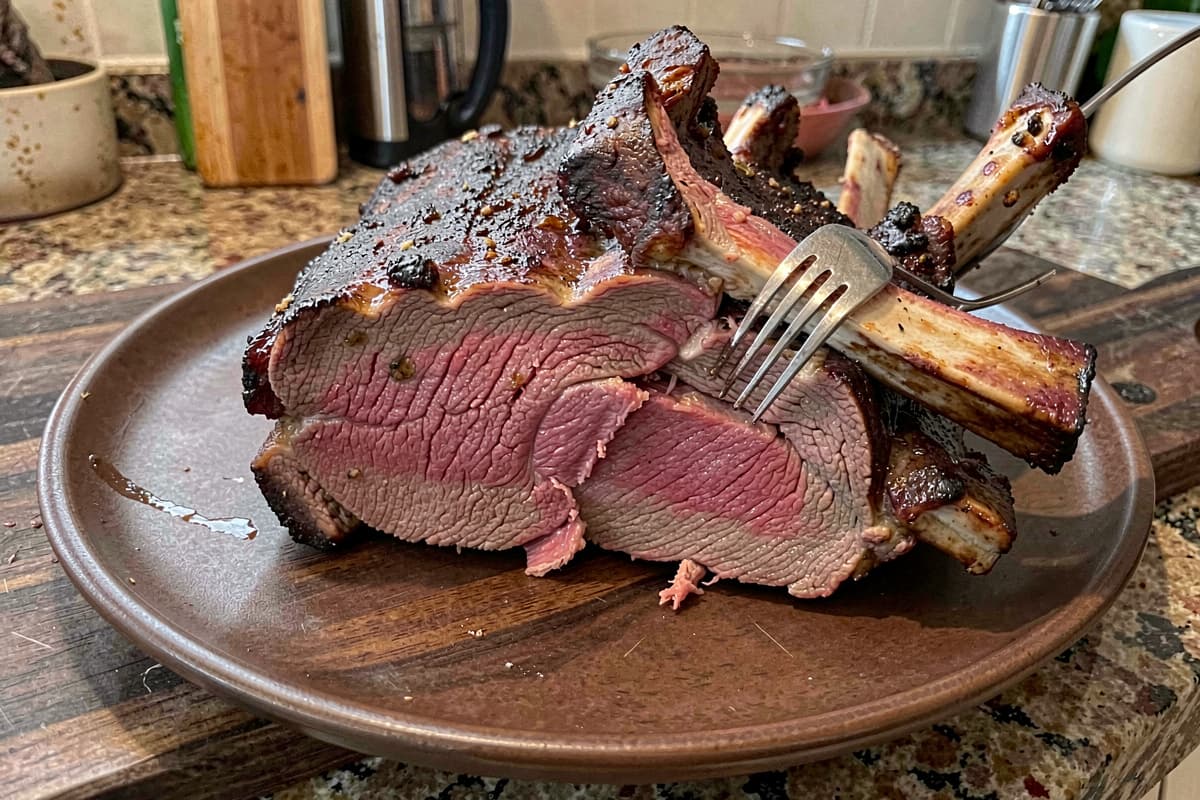
Sous Vide Short Ribs (72 Hours at 135°F)
Beef short ribs sous vide at 135°F for 72 hours — converts tough connective tissue while keeping the meat at medium-rare. Salt only. The wow-the-guests dish.
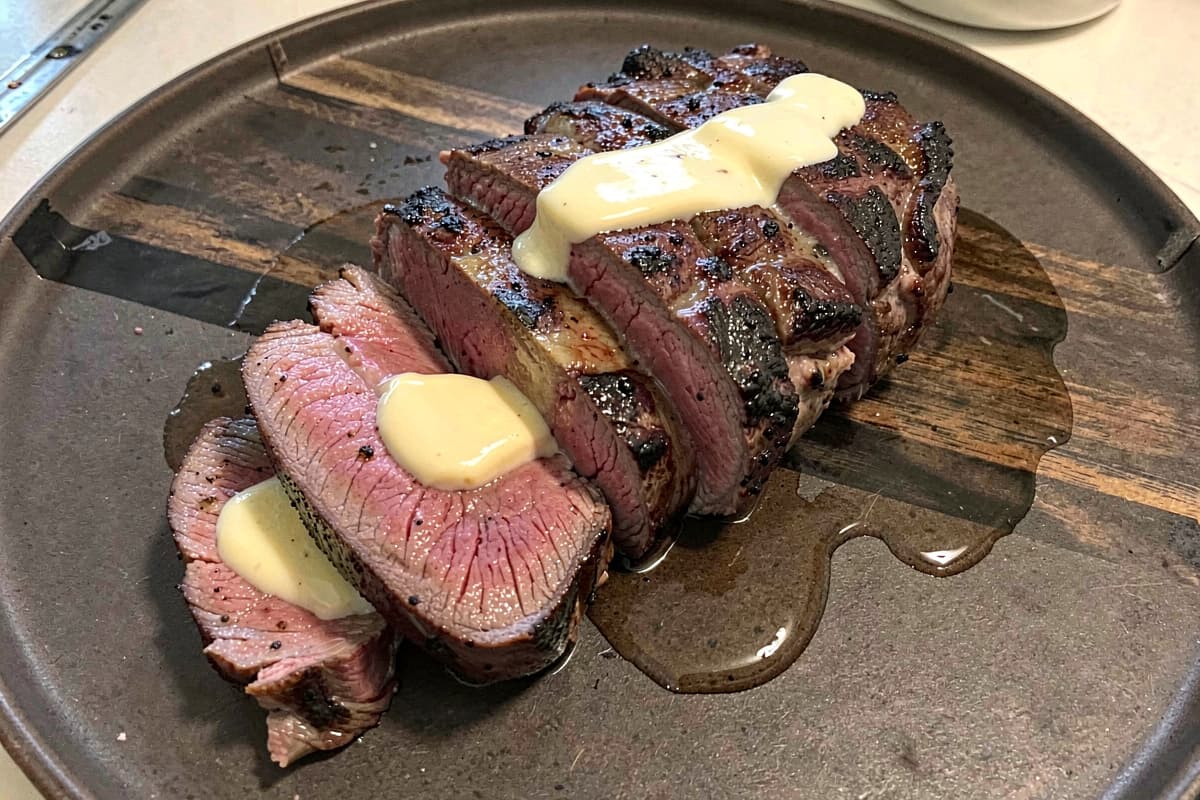
Sous Vide Filet Mignon (130°F for 90 Minutes)
8-oz filet mignon sous vide at 130°F for 90 minutes, then seared 60 seconds per side. Edge-to-edge medium-rare. Salt and butter only.
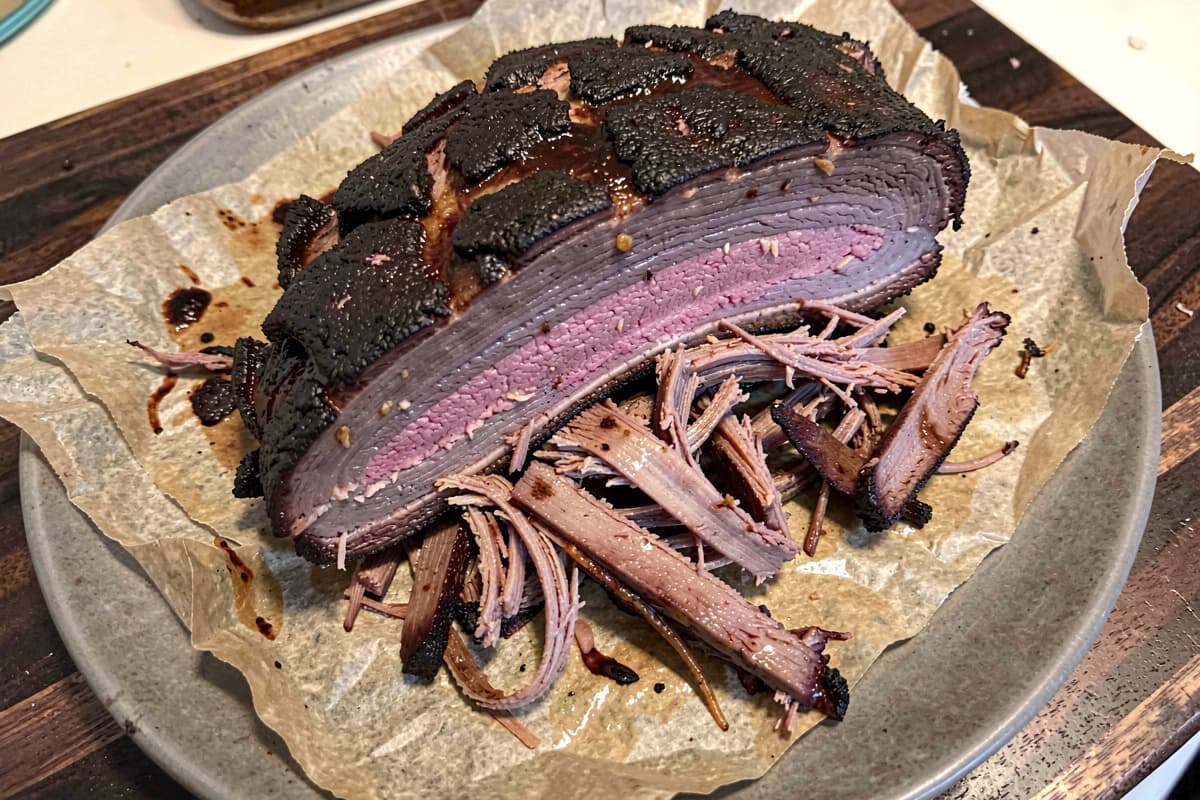
Smoked Beef Chuck Roast (The Poor Man's Brisket)
4 lb chuck roast smoked at 225°F for 8-10 hours to 203°F. Salt only. Half the price of brisket, similar fall-apart texture. Feeds 8.
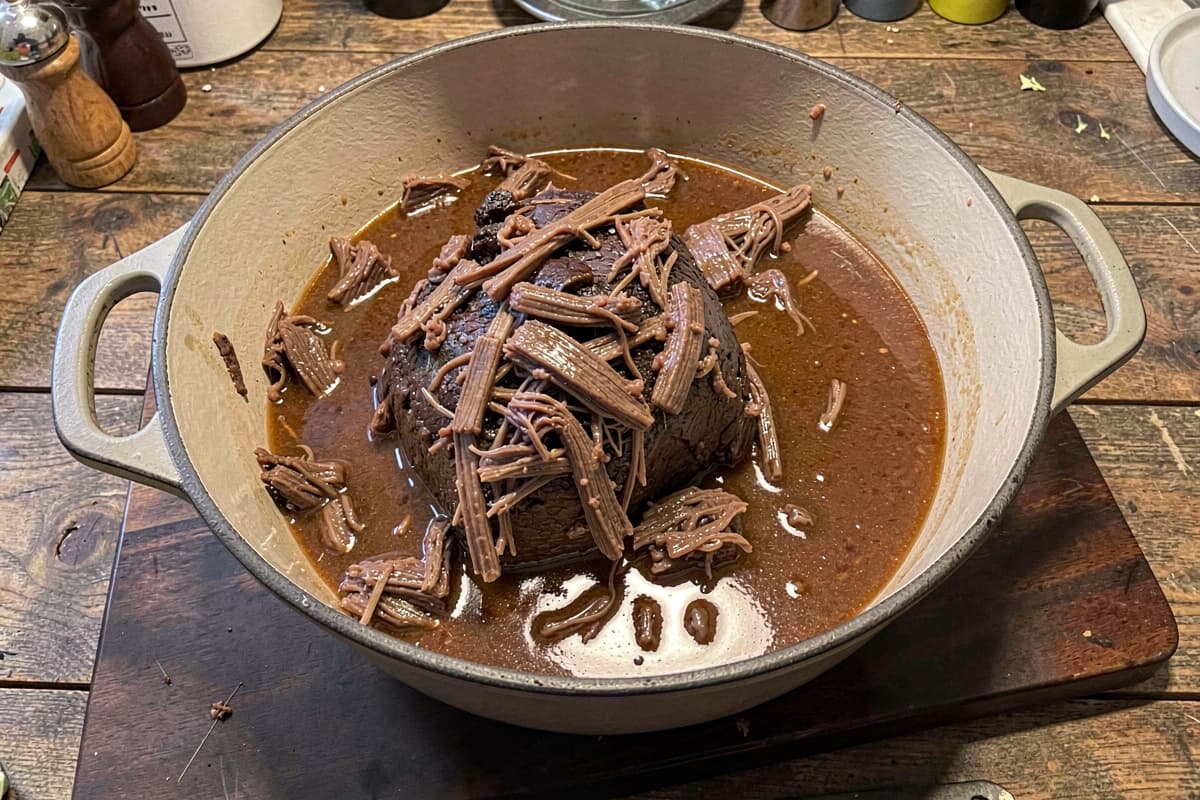
Slow Cooker Pot Roast (Carnivore)
3-lb chuck roast slow-cooked in beef broth on LOW for 8 hours. Salt only — no veggies, no wine. Set in the morning, eat at dinner.
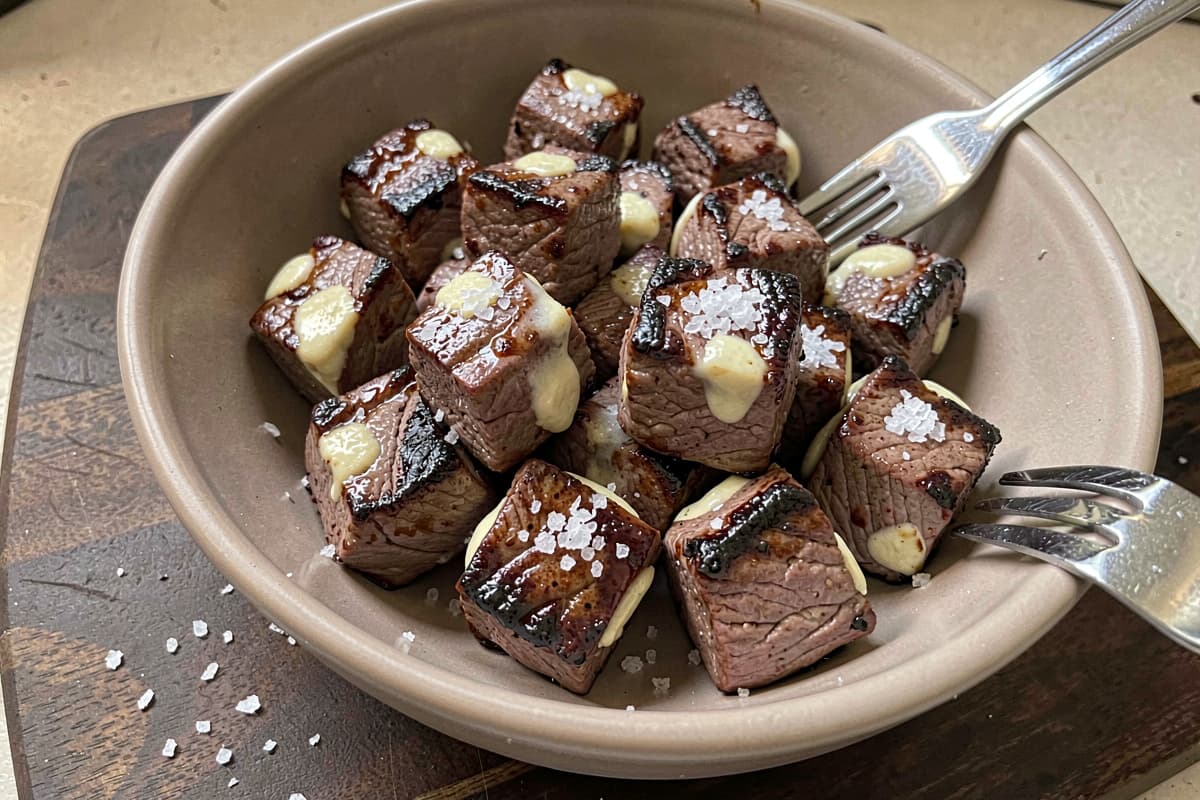
Air Fryer Steak Bites (10 Minutes)
1.5 lb sirloin cut into bite-sized cubes, air-fried at 400°F for 7-8 minutes. Salt and butter. The fastest carnivore protein in the kitchen.
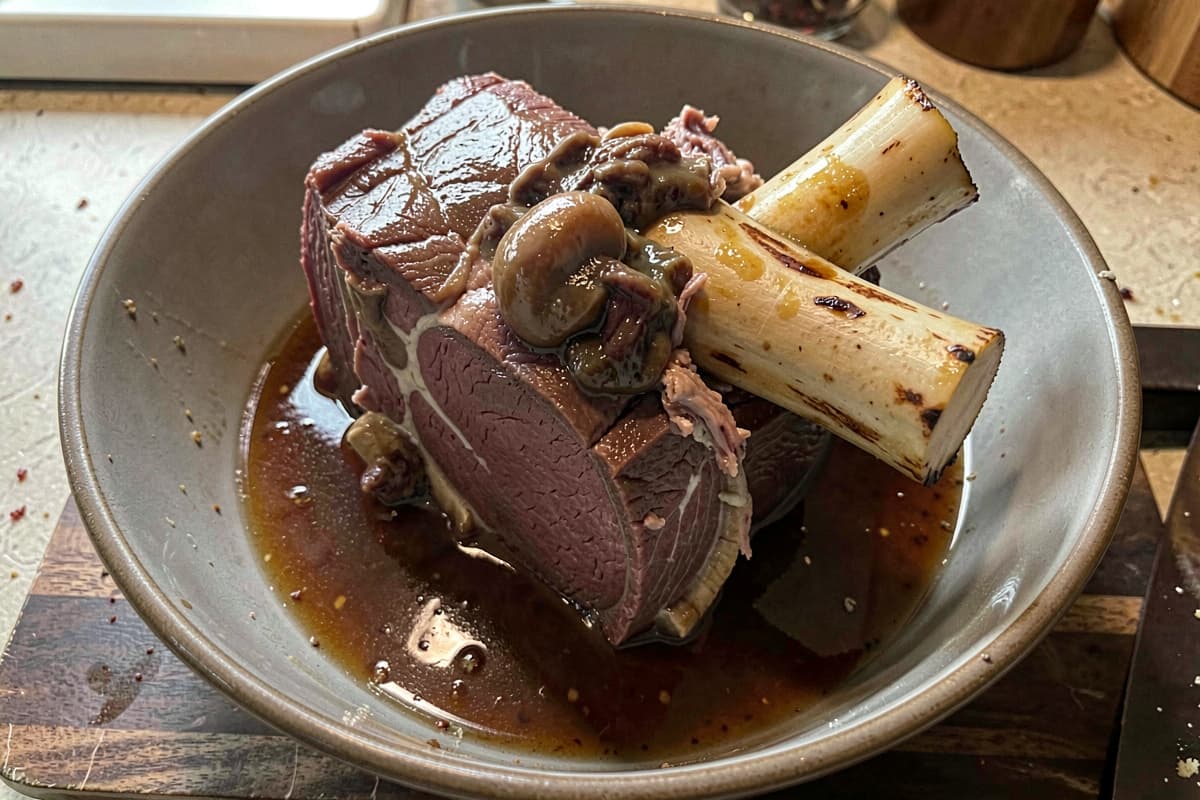
Braised Beef Shank (4-Hour Slow Cook)
Cross-cut beef shanks braised in 4 cups of beef broth at 300°F for 4 hours. Salt only — no wine, no soffritto. The marrow-bone payoff dish.
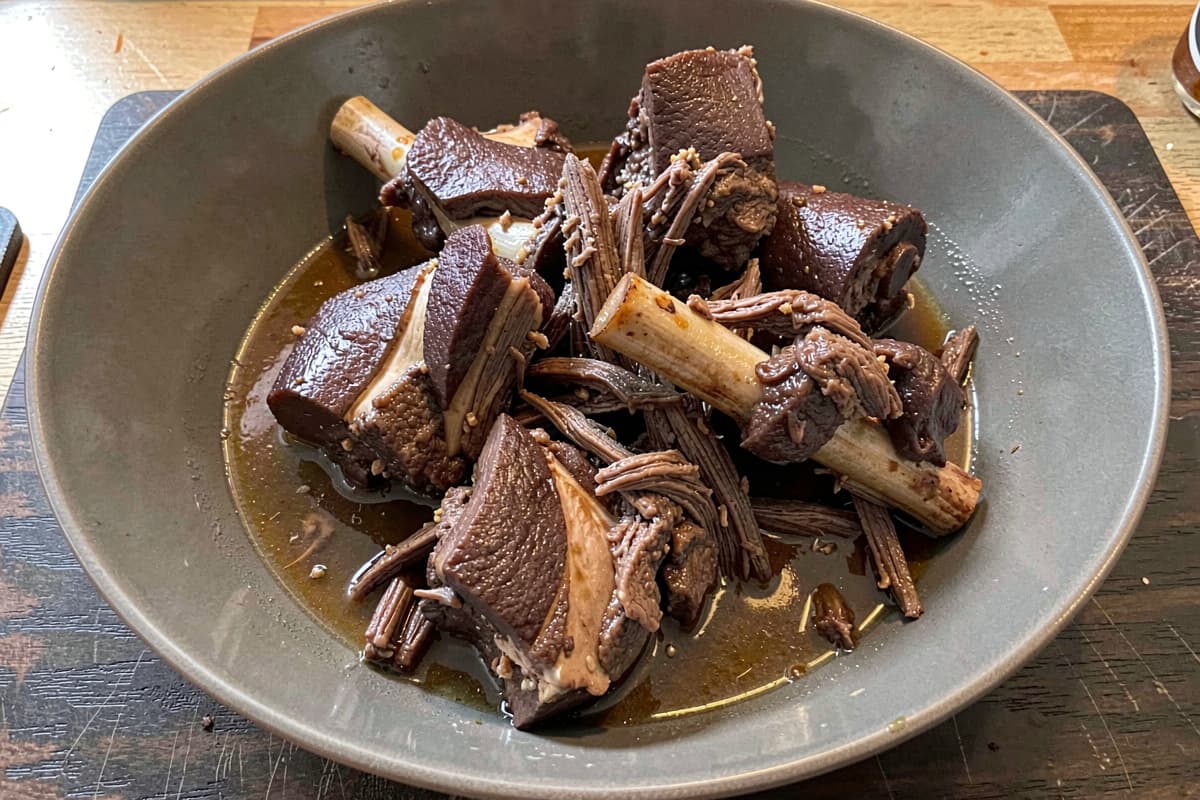
Braised Oxtail (Carnivore, 4 Hours)
3 lb oxtail seared and braised in beef broth at 325°F for 4 hours until fall-apart. Salt only — no soy, no wine. The collagen-richest carnivore dish.
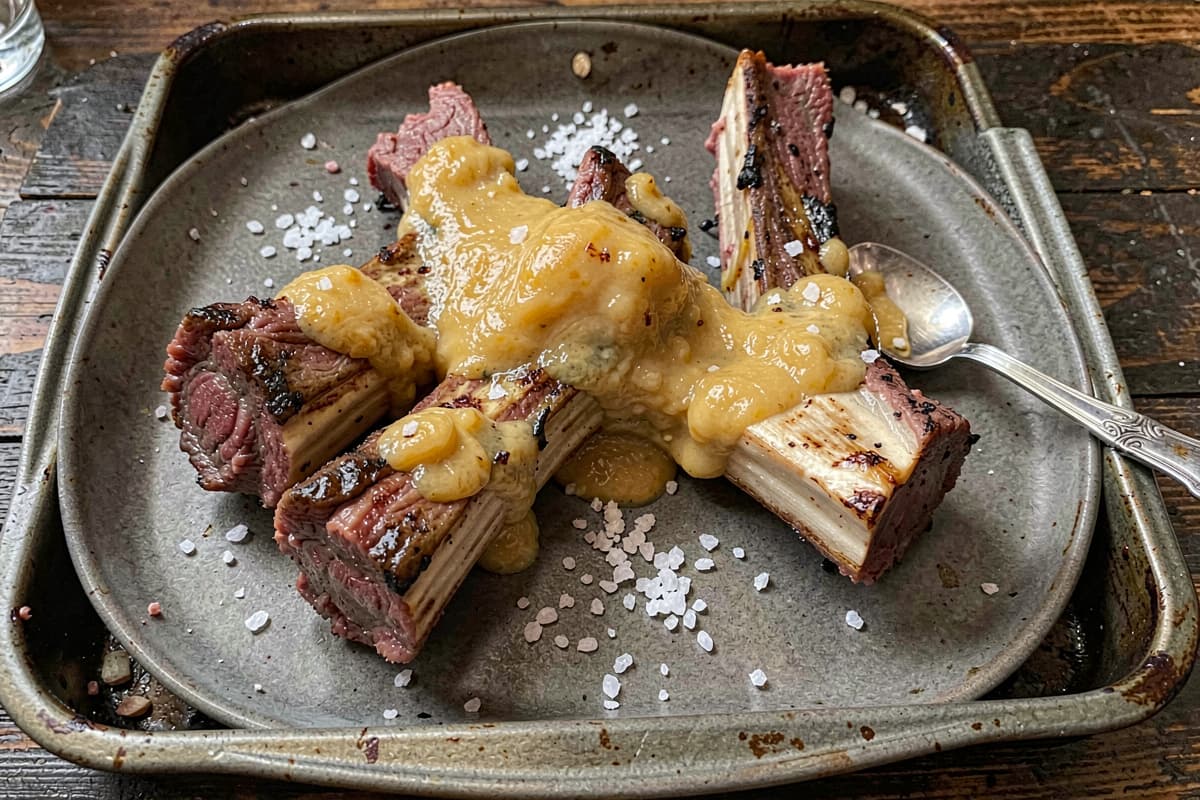
Roasted Bone Marrow (Salt + 20 Minutes)
Beef marrow bones split lengthwise, roasted at 450°F for 18-22 minutes. Salt only. The cleanest carnivore fat source — 850 calories per 100g of pure animal fat.
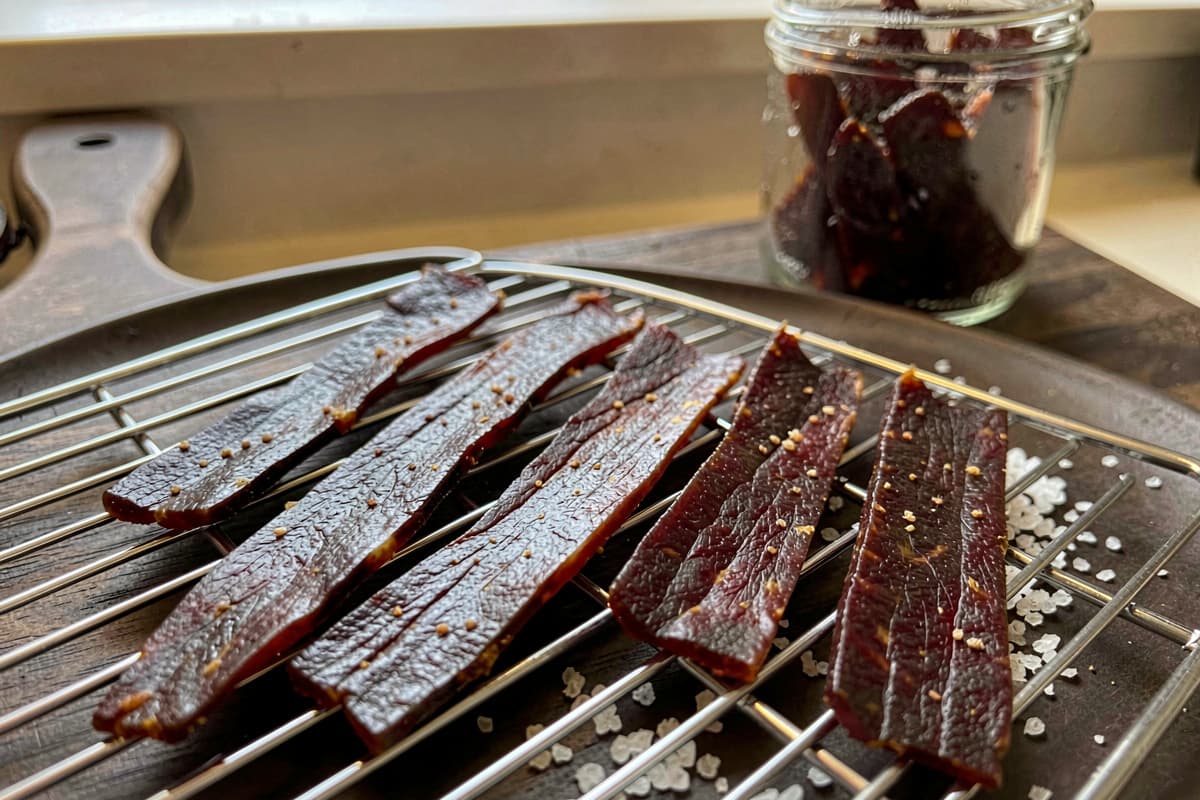
Homemade Beef Jerky (No Sugar, No Soy)
2 lb top round sliced thin, salted, dehydrated at 165°F for 4-5 hours. Strict carnivore — no soy sauce, no Worcestershire, no brown sugar. $3.50 per oz.
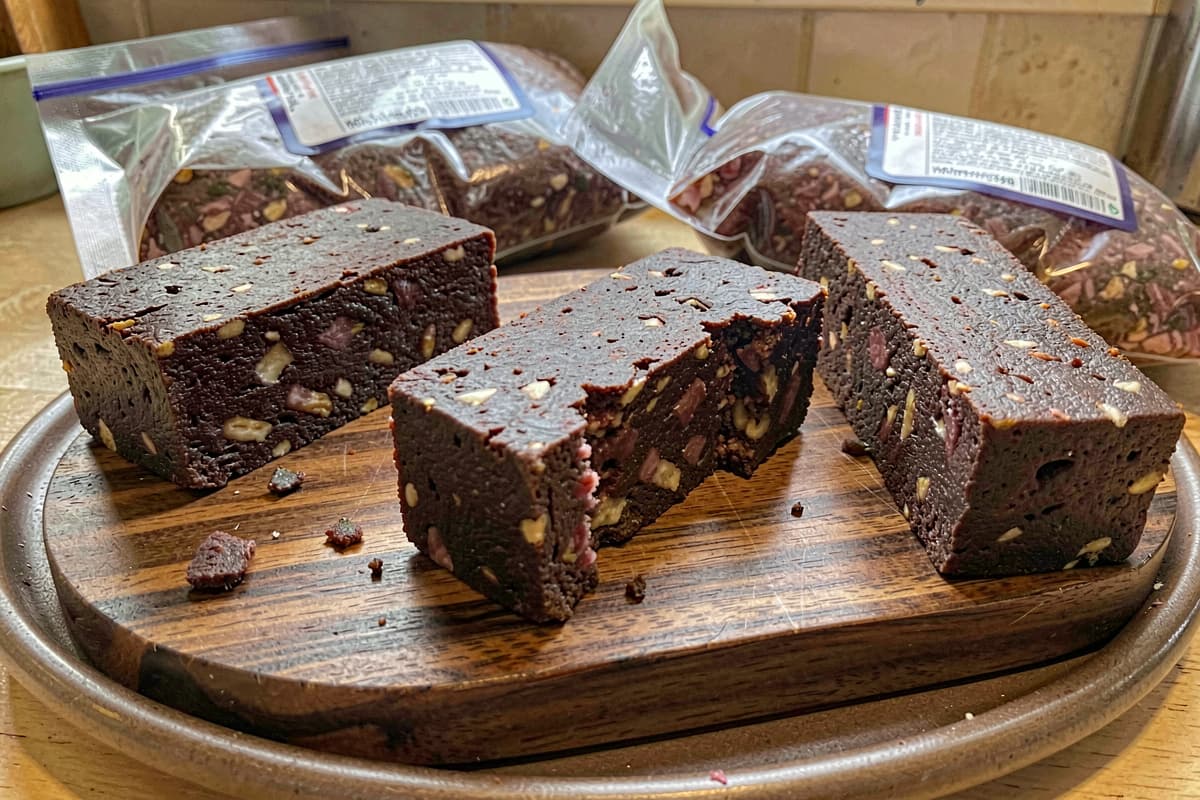
Pemmican (Carnivore, Dried Beef + Tallow)
Traditional Plains-Indian preserved food: dried beef ground fine, mixed 1:1 with rendered tallow. Lasts 6+ months unrefrigerated. Salt only.
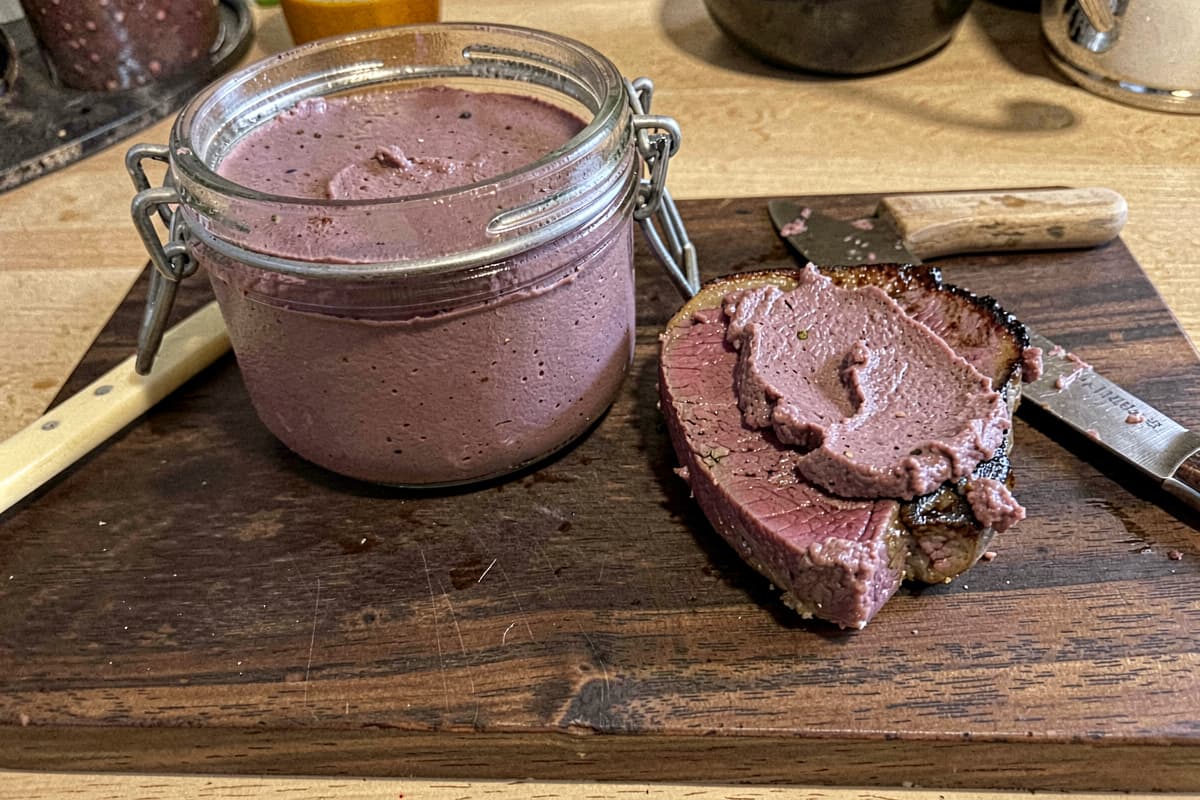
Beef Liver Pâté (Carnivore, 5 Ingredients)
1 lb beef liver, ¾ cup butter, salt — blended into rich pâté. No onions, no shallots, no brandy. 30-minute prep, keeps 5 days refrigerated.
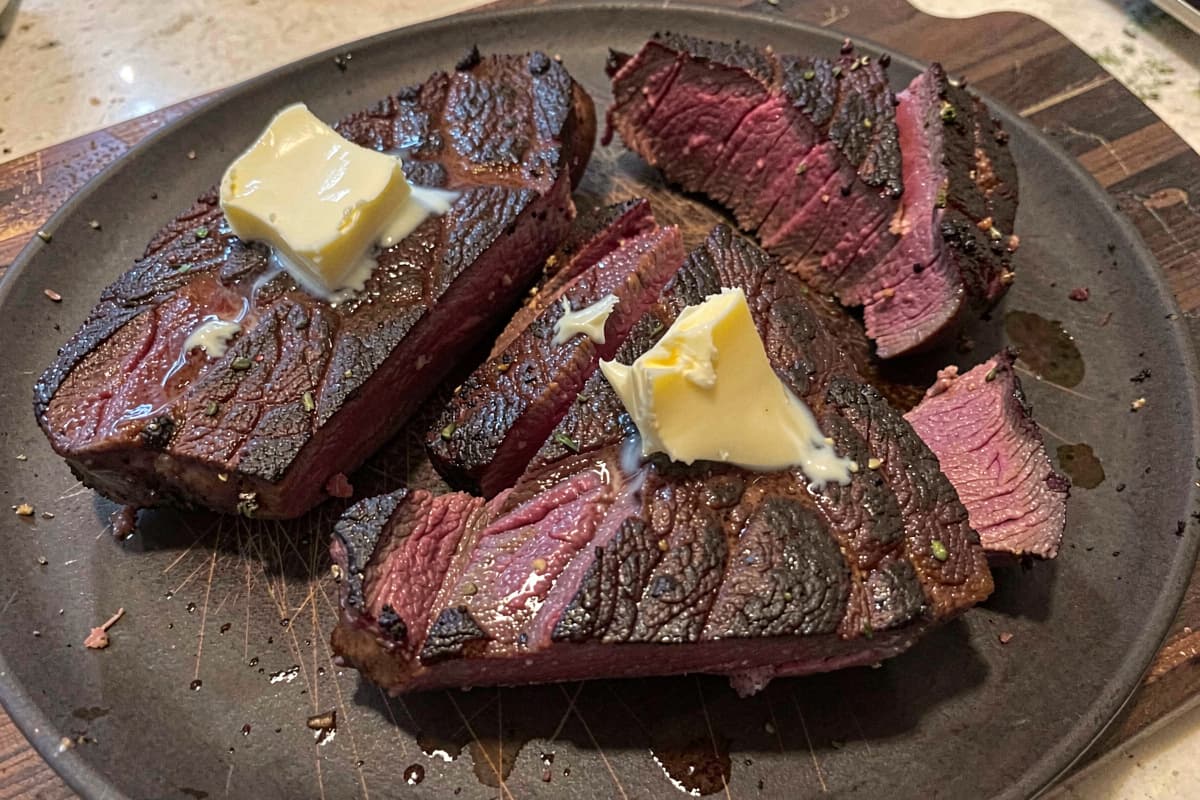
Beef Heart Steaks (Pan-Seared)
Beef heart sliced into ¾-inch steaks, seared 2-3 minutes per side. Salt only. Iron-rich (5mg per 4 oz), $4-6 per pound, lean and clean-tasting.
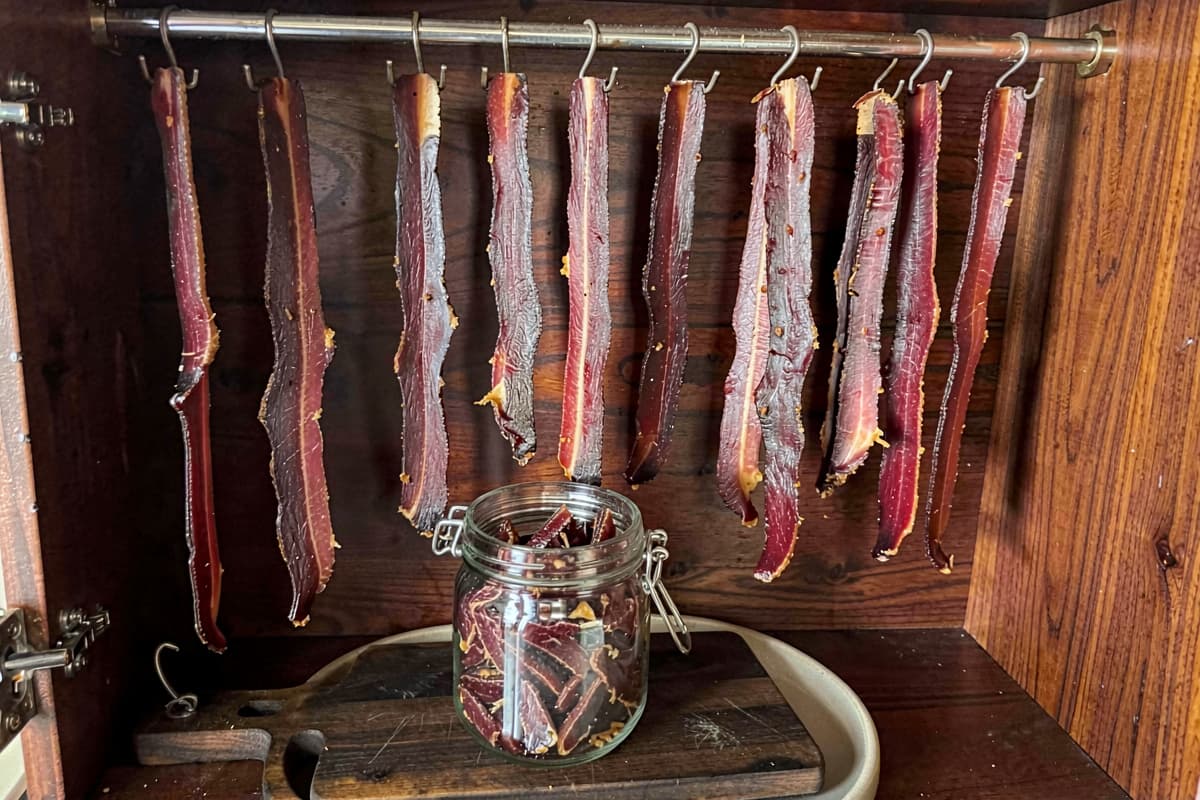
Homemade Biltong (Carnivore, No Vinegar)
South African air-dried beef. Top round salt-cured 24 hours, hung to air-dry 4-7 days. Salt only — no vinegar, no coriander. The strict-carnivore biltong.
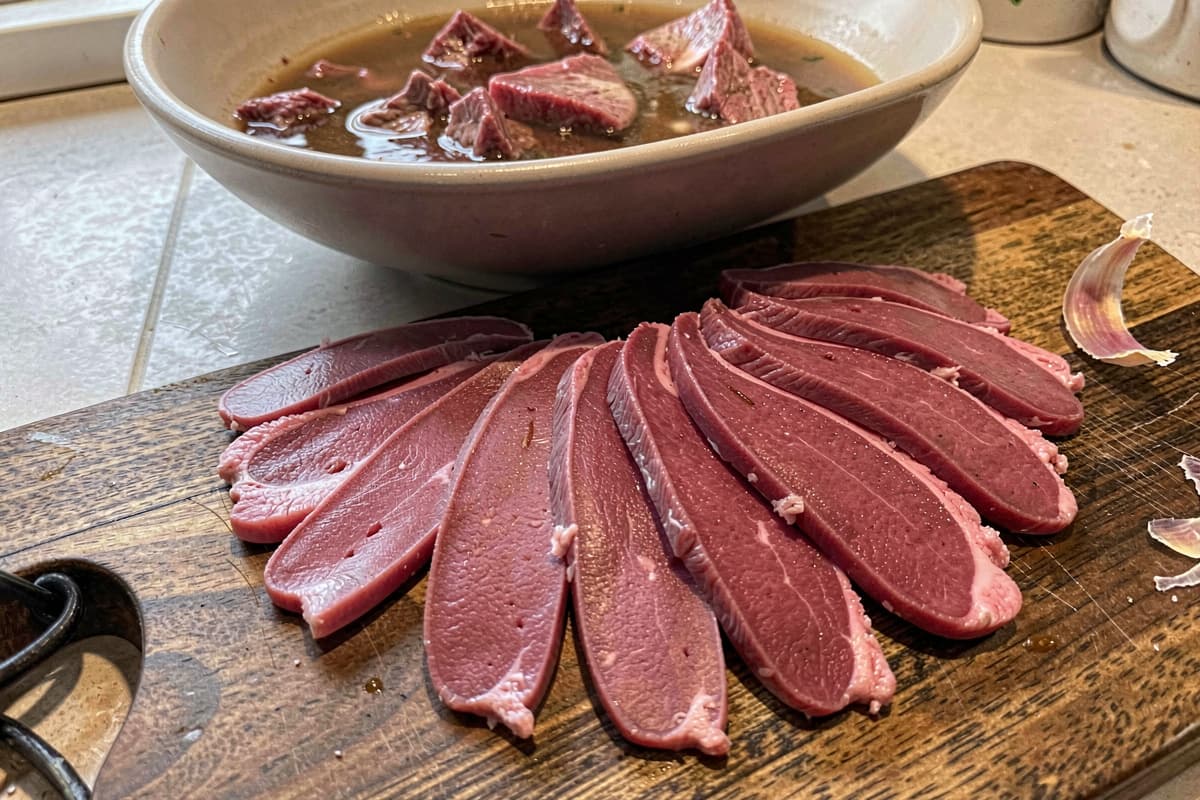
Slow-Cooked Beef Tongue (Lengua)
Whole beef tongue simmered in salted water for 3-4 hours until tender, then peeled and sliced. Salt only — no bay, no peppercorn. The Mexican-Texan classic.
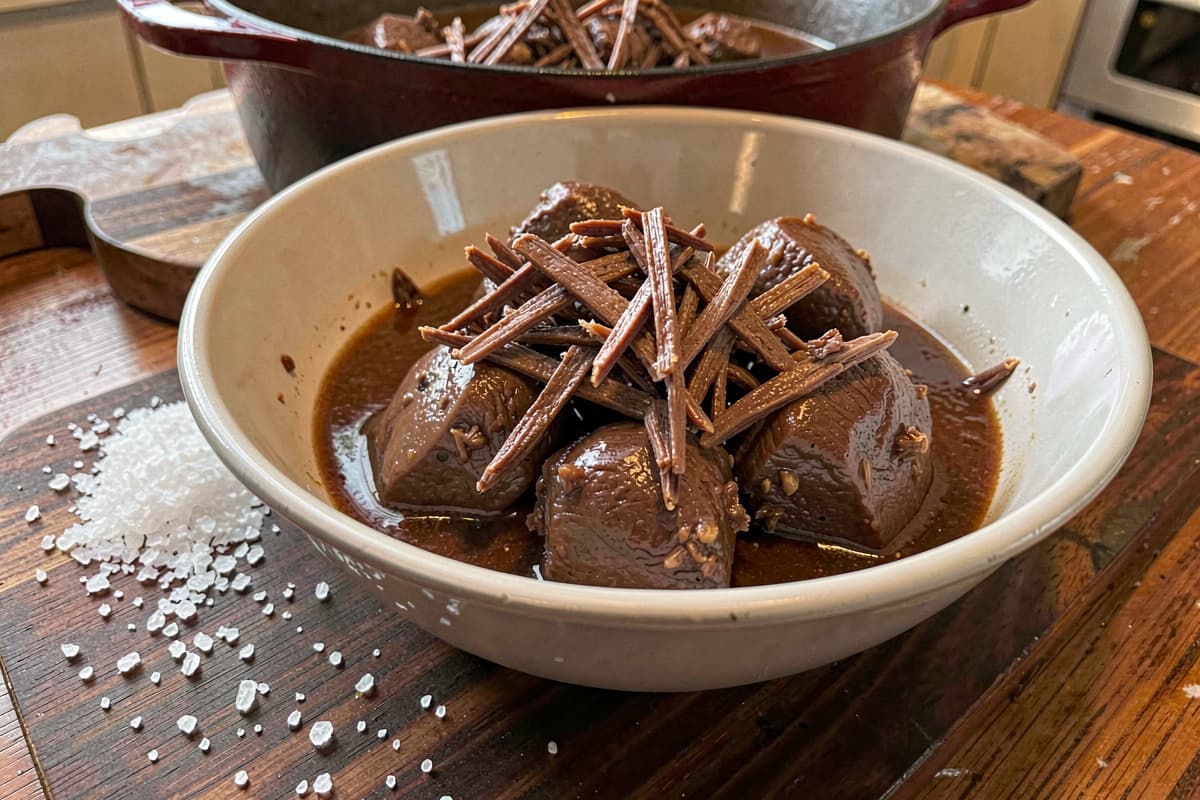
Braised Beef Cheeks (4-Hour Slow Cook)
2 lb beef cheeks seared and braised in beef broth at 300°F for 4 hours until fork-tender. Salt only. The Italian guancia tradition, carnivore-stripped.
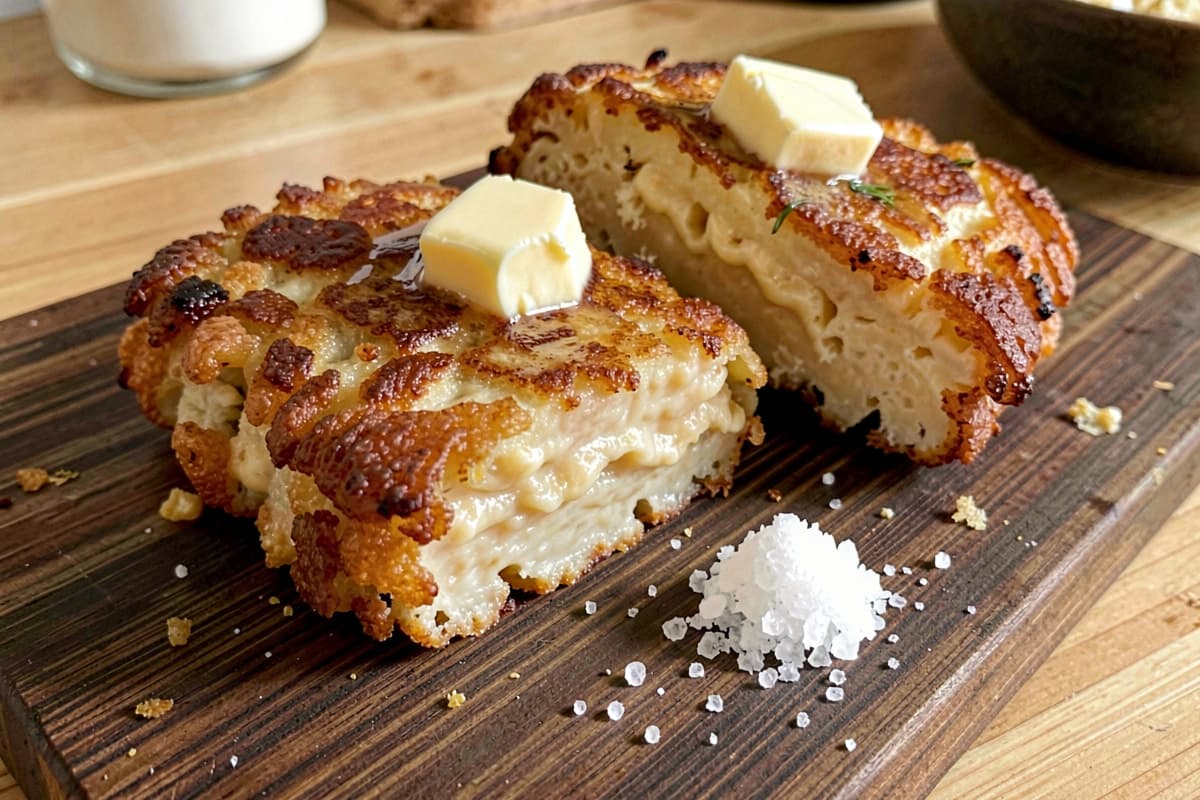
Pan-Fried Sweetbreads (Salt-Only)
Veal or beef sweetbreads soaked, blanched, peeled, seared in butter 2 min per side. Salt only — no flour, no shallots. French ris de veau.
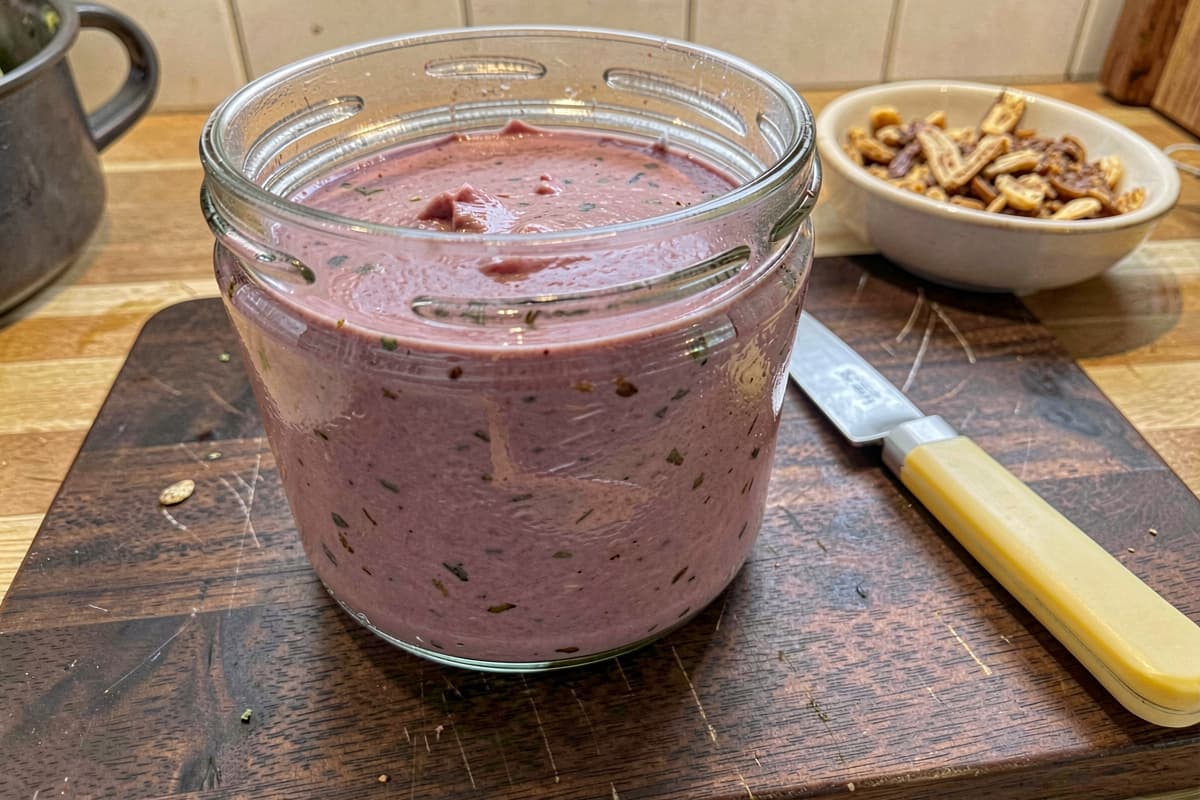
Homemade Liverwurst (German-Style)
1 lb beef liver + 1 lb pork fat blended into traditional German leberwurst. Salt only, no spices. Spreadable, refrigerator-stable for 1 week.
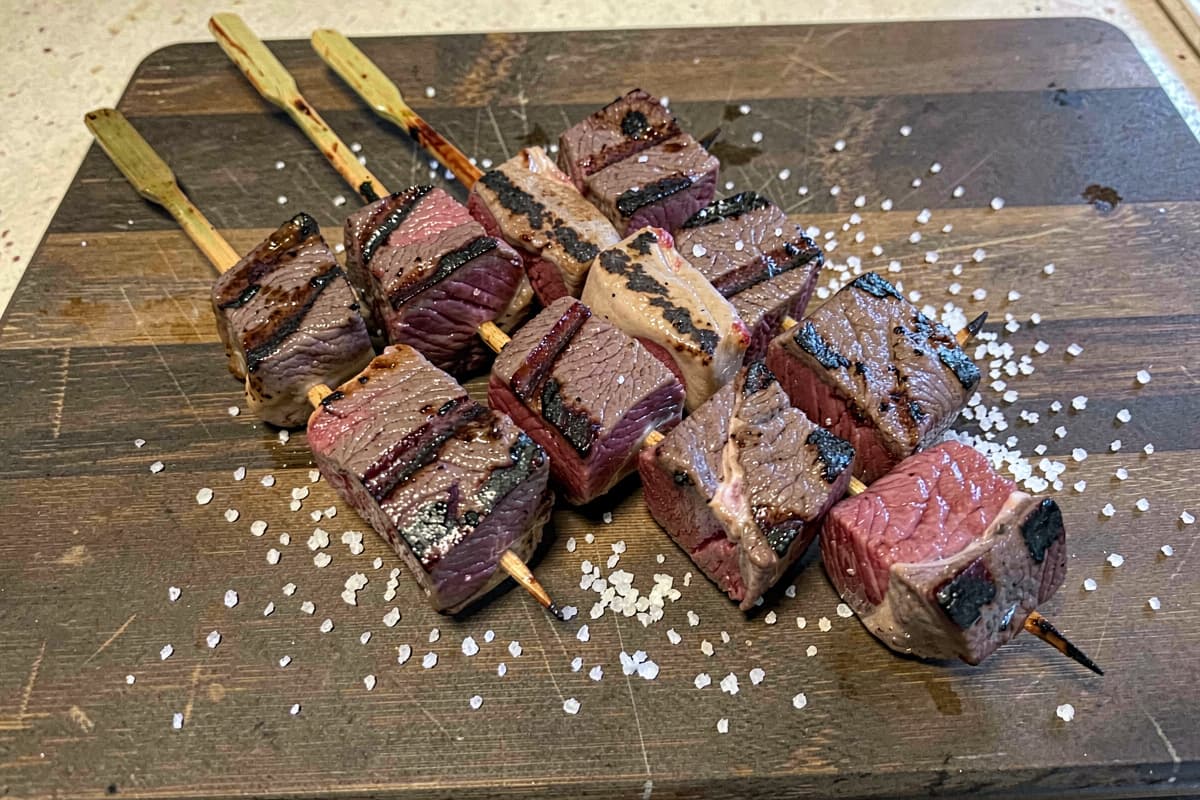
Beef Heart Skewers (Anticucho-Style)
Beef heart cubed, salted, threaded on skewers, grilled 6-8 minutes total. Salt only — no aji panca, no garlic. The Peruvian anticucho stripped to its essence.
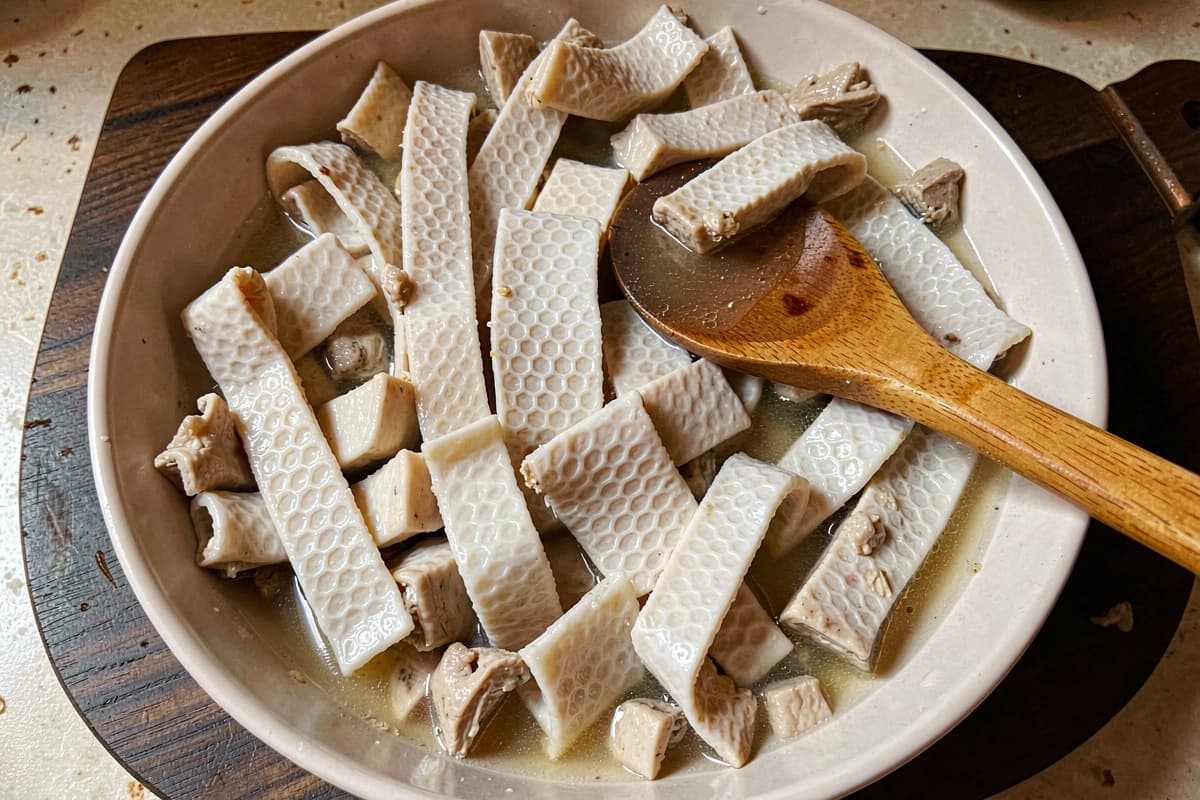
Carnivore Tripe (Slow-Simmered)
1 lb cleaned beef honeycomb tripe simmered in salted water for 3-4 hours until tender. Salt only — no soffritto, no chorizo. The pure offal cut.
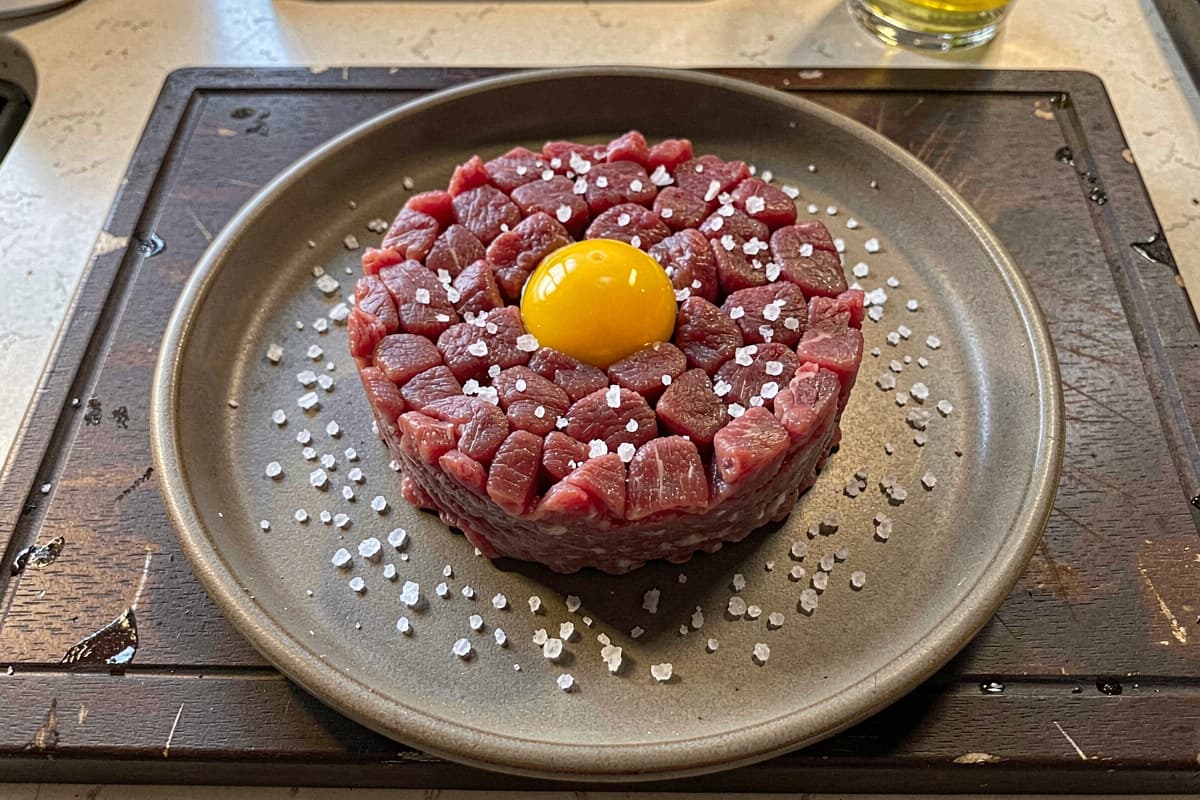
Steak Tartare (Carnivore, 5 Ingredients)
8 oz sushi-grade beef tenderloin hand-chopped, mixed with 1 egg yolk, salt. No capers, no Worcestershire. The strict French classic, carnivore-stripped.
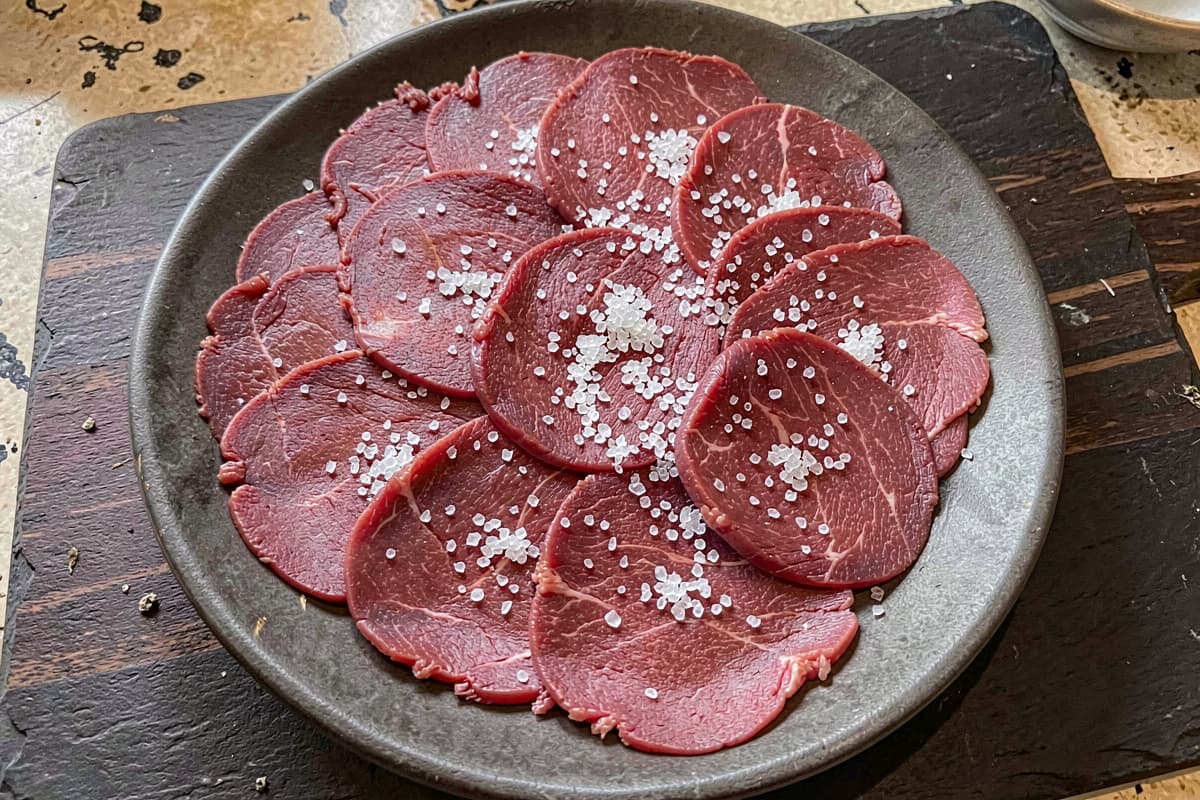
Beef Carpaccio (Carnivore, Salt + Beef Only)
Beef tenderloin frozen, sliced paper-thin, served raw with salt only. No olive oil, no arugula, no parmesan. The Italian classic, carnivore-stripped.
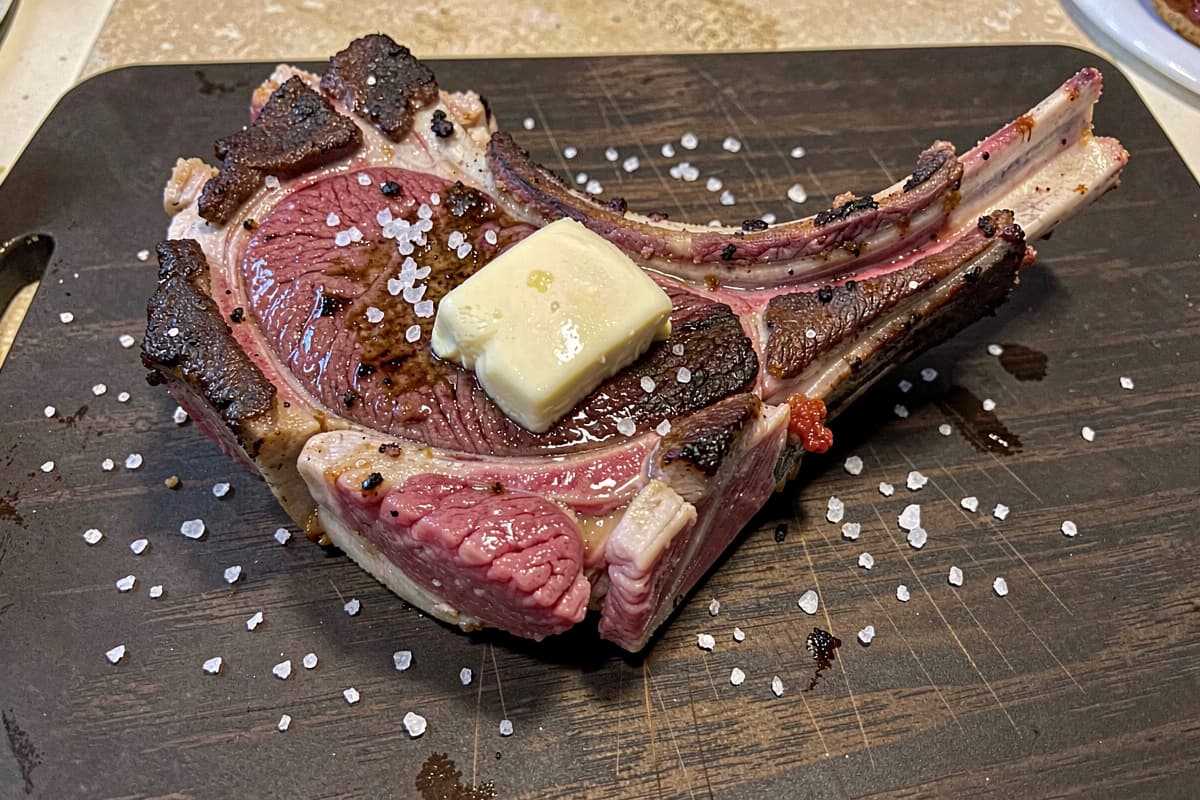
Pan-Seared Veal Chop
1 thick-cut veal rib chop salted and seared in butter, then finished in a 425°F oven to 145°F internal. Salt only. The Italian costoletta, carnivore-stripped.
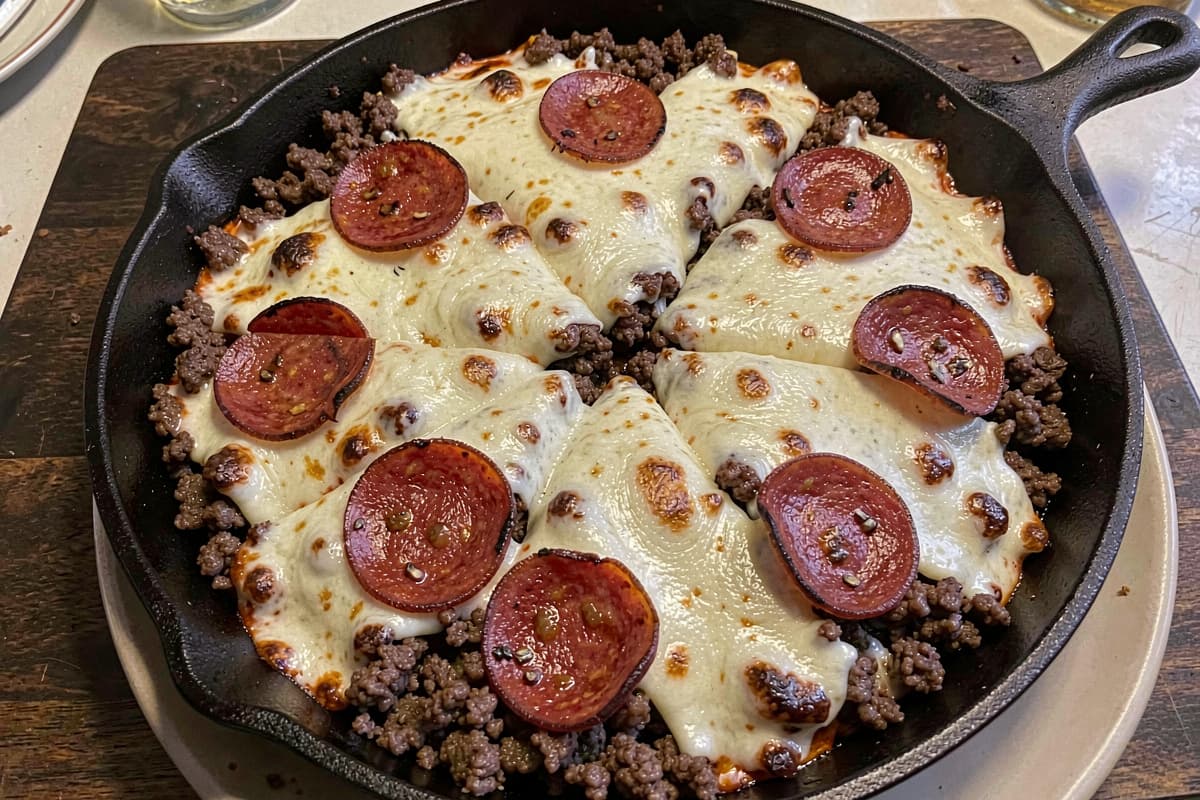
Carnivore Pizza (Meat-Base, No Crust)
Ground beef pressed into a 10-inch round, seared crispy, topped with melted cheese and pepperoni, baked until bubbling. The viral carnivore-pizza format.
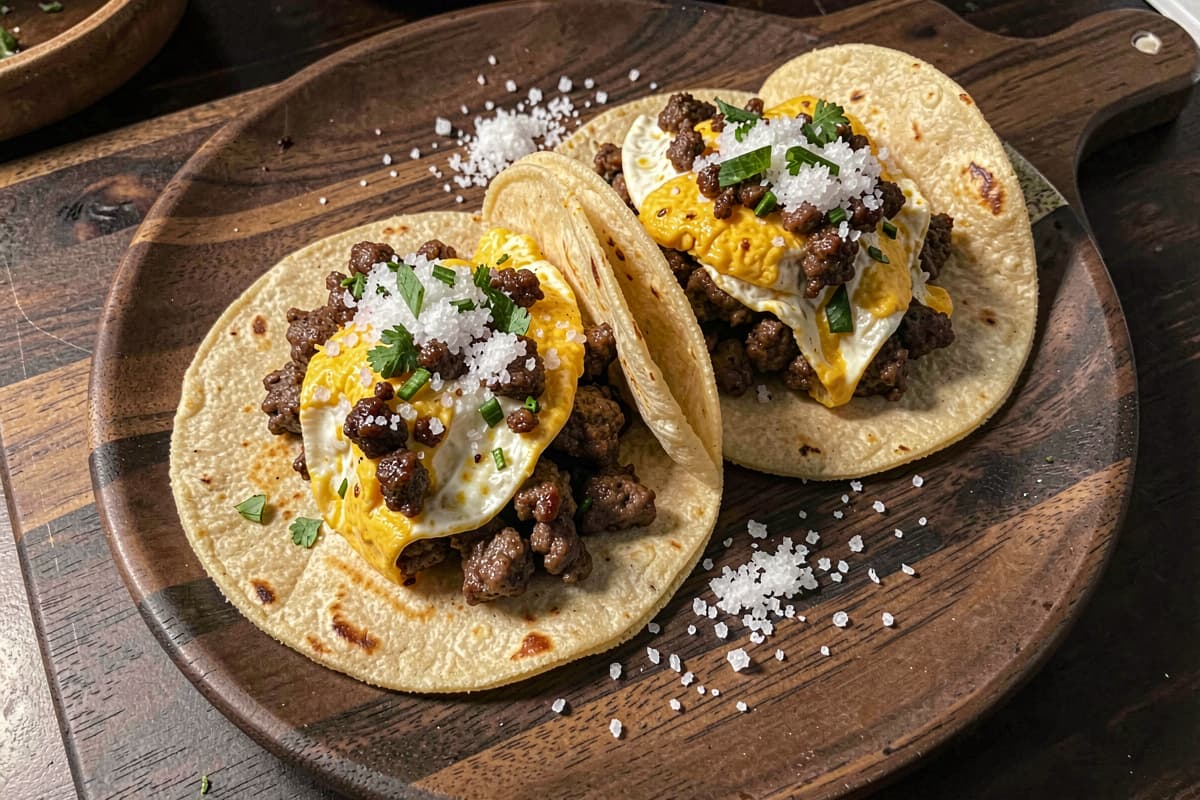
Carnivore Tacos (Egg-Wrap Shells)
Egg-and-cheese 'tortilla' wraps filled with seasoned ground beef. No corn, no flour. 38g protein per 2-taco serving. The viral keto-carnivore format.
How to choose a beef cut
Beef-based carnivore eating runs along three lanes:
Whole-muscle cuts. Ribeye, sirloin, strip steak, lamb chops, short ribs, brisket. Cooked hot and fast (steaks) or low and slow (ribs, brisket). The most flavor-dense option but also the most expensive. Reserve for 1 to 3 dinners per week.
Ground beef. 80/20 or 73/27 from chuck or sirloin. Versatile (smash burgers, meatballs, plain skillet-browned), cheap ($5-7/lb), and the workhorse of weekday carnivore eating. The smash burger recipe below is the highest-flavor format; plain skillet-browned ground beef topped with butter and salt is the fastest dinner you can make.
Organ + bones. Beef liver (in 4:1 hidden bites or pâté), heart (steaks or stew meat), bone marrow (roasted at 450°F for 15 minutes), and 24-hour bone broth. Cheapest pound-for-pound, highest in micronutrients. Eat 1 to 2 servings per week of organ meat for vitamin A, copper, and B12 you can't easily get elsewhere.
For specific cut selection, see the ribeye vs sirloin and lamb vs beef comparisons.
Common Mistakes (and Fixes)
Buying lean ground beef (90/10 or 93/7)
Lean ground beef cooks dry, has weak flavor, and provides far less satiating fat. 80/20 is the carnivore standard. For more fat, ask your butcher for 73/27 (often labeled 'chuck blend'). Lean blends are useful only when you'll add a lot of butter or tallow at cook time.
Skipping the dry brine on steaks
A 40-minute or longer dry brine — generous coarse salt on both sides, uncovered in the fridge — gives steaks deeper seasoning and better crust formation. Skip it and you're cooking under-seasoned beef with a wet surface that won't sear properly.
Throwing out the bones
Beef marrow bones, knuckle bones, and steak trimmings make 24-hour bone broth that yields 10 cups of nutrient-dense liquid from what most people throw out. Save them in a freezer bag and start a batch when you have 3+ pounds.
Related Food Comparisons
A detailed head-to-head comparison of ribeye and sirloin steaks covering macros, micronutrients, flavor profiles, and cost per pound.
ComparisonFind out how tomahawk and ribeye steaks compare in nutrition, size, cooking method, and price. Are you paying more just for the bone?
ComparisonA detailed comparison of lamb and beef covering protein, fat, calories, iron, price, and which is better for carnivore diet success.
ComparisonCompare veal and beef across nutrition, taste, tenderness, cost, and suitability for the carnivore diet.
Frequently Asked Questions
How much beef should I eat per day?
Most adult carnivore dieters eat 1 to 2.5 pounds (450-1100g) of beef per day. The exact amount depends on activity level and body weight. A 200 lb male training hard usually lands at 1.5 to 2 lbs; a sedentary 130 lb female does fine on 0.75 to 1 lb. Track for 2 weeks to find your number.
Grass-fed vs grain-finished beef — which is better?
Both work for carnivore. Grass-fed has slightly more omega-3s and conjugated linoleic acid (CLA); grain-finished is fattier and cheaper. Nutritionally the difference is real but small (about 30 to 50% more omega-3 in grass-fed) — not enough to be the deciding factor for most eaters. Cost typically matters more.
What's the cheapest beef for daily carnivore eating?
80/20 ground beef at $5-7/lb is the cheapest carnivore-friendly beef. Beef chuck roast at $6-8/lb yields 73/27 ground beef when ground at home. Beef heart ($3-4/lb at butchers, free from some farms) is dramatically cheaper than steak with similar nutrition. Liver runs $3-5/lb.
Should I count beef calories?
Most carnivore eaters don't count calories long-term but do for the first 2 to 4 weeks to calibrate portions. The high satiety of beef makes overeating uncommon, but you can still gain or lose weight on carnivore depending on calorie balance. A scale plus the Carnivore Max app is enough to measure portions and adjust.
What happens if I eat only beef every day?
People who eat only beef and salt for months at a time (sometimes called the 'lion diet') report stable energy, good lab values, and continued satiety for years. The diet provides all 9 essential amino acids, plenty of fat, and most micronutrients except vitamin C — which beef contains in trace amounts (about 2mg per 100g of fresh beef) generally considered enough to prevent scurvy.