Egg Recipes
Eggs are the cheapest complete-protein source on the carnivore diet at roughly $3 to $5 per dozen, providing 6g of complete protein and 5g of fat per large egg for 70 calories. A daily intake of 3 to 6 eggs is typical among carnivore dieters and provides 18 to 36g of complete protein, all 9 essential amino acids, choline (essential for brain function), and fat-soluble vitamins A, D, E, and K2. The 2020 Dietary Guidelines for Americans removed the previous 300mg cholesterol limit because dietary cholesterol has been shown not to drive blood cholesterol meaningfully. Eggs are also the most flexible carnivore ingredient — they cook in 3 to 4 minutes (sunny-side up), bake into protein-rich cups, or hard-boil for portable snacks. The recipes below cover both formats: the standard breakfast plate and batch-prep egg cups.
Recipes in this category
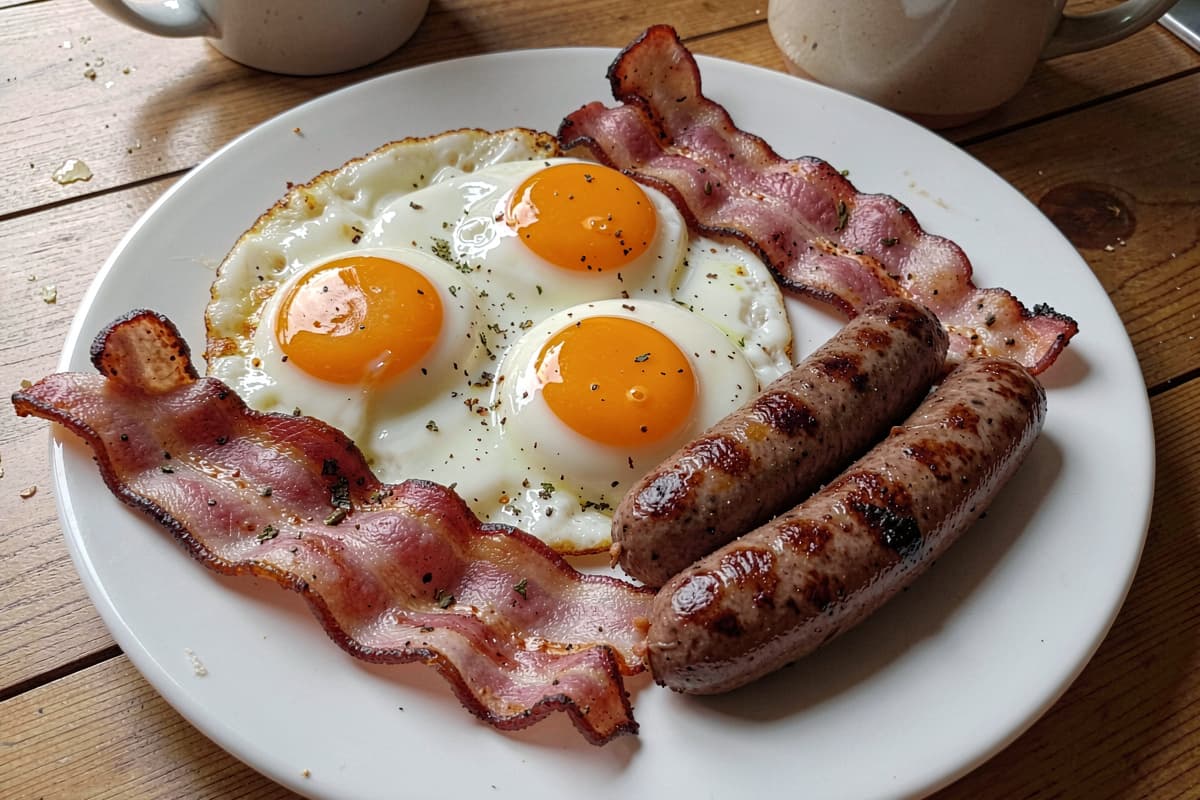
Carnivore Breakfast Plate
The classic carnivore breakfast: crispy bacon, runny eggs, savory beef sausage. 38g protein, 40g fat, 520 calories per plate. 12 minutes start to plate.
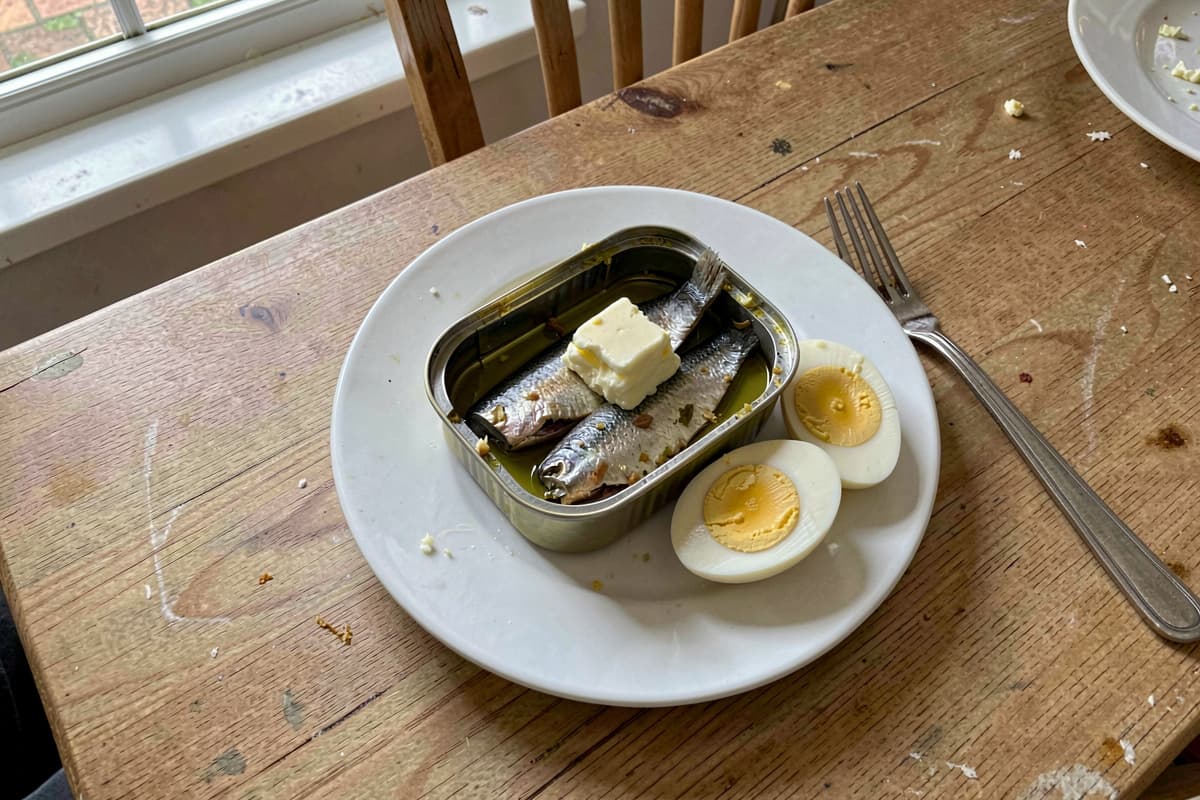
5-Minute Sardine Plate
A no-cook, nutrient-dense plate loaded with omega-3s. Perfect for a quick carnivore lunch or snack when you do not feel like cooking.

Egg & Cheese Cups
Easy baked egg cups with melted cheddar and crispy bacon bits. 6g protein per cup. Batch 12 in 25 minutes, reheat through the week — $0.50 each.
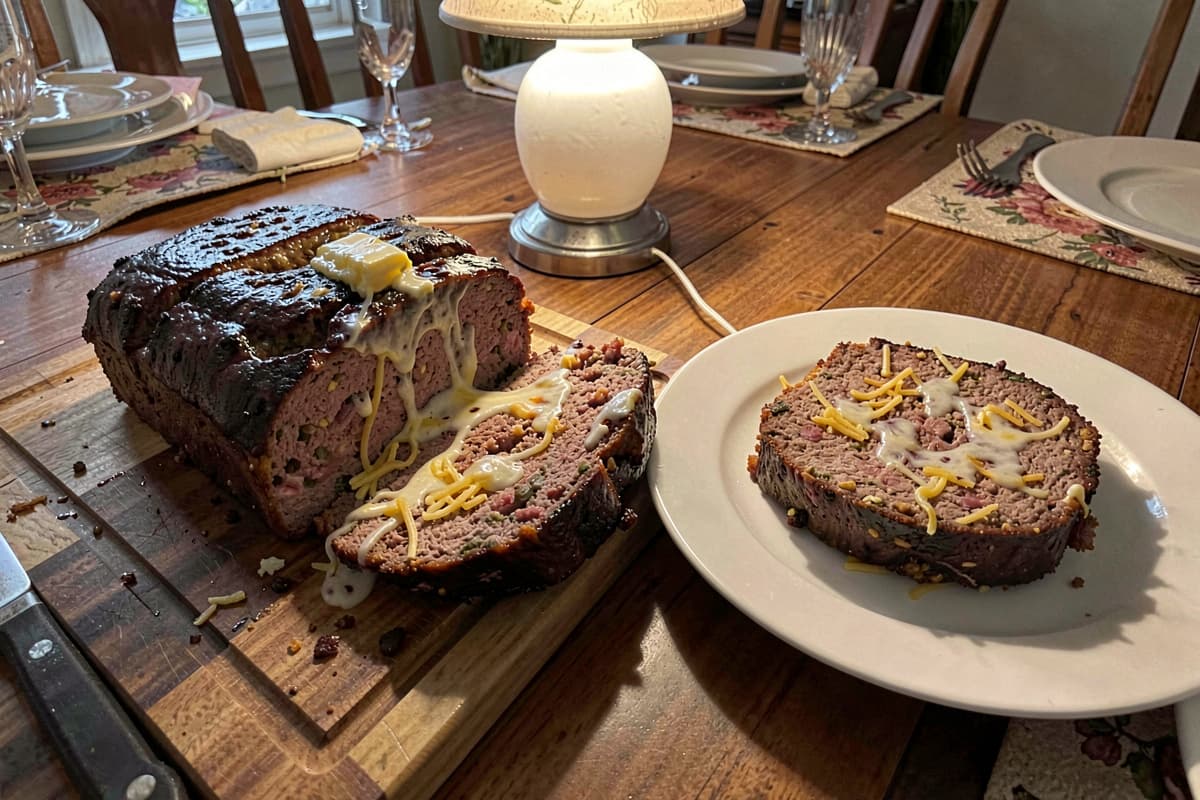
Carnivore Meatloaf (No Breadcrumbs)
All-meat meatloaf bound with eggs and cheese instead of breadcrumbs. 1.5 lb of 80/20 ground beef makes 6 servings at 32g protein, 26g fat each.

Carnivore Egg Bites (Sous-Vide Style)
Silky sous-vide style egg bites baked in a water bath. Smoother texture than muffin-tin egg cups. 6 bites in 35 minutes for the week's breakfasts.

Carnivore Tacos (Egg-Wrap Shells)
Egg-and-cheese 'tortilla' wraps filled with seasoned ground beef. No corn, no flour. 38g protein per 2-taco serving. The viral keto-carnivore format.
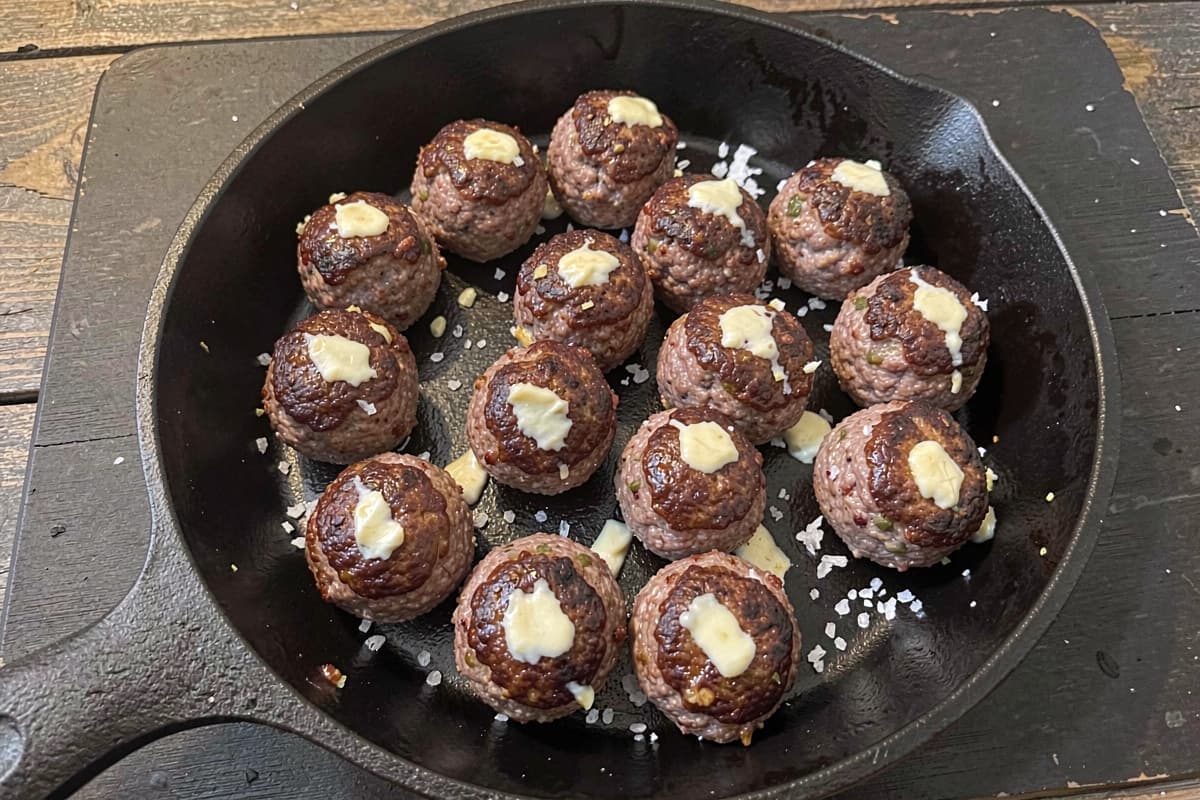
Pork Meatballs (No Binder, Salt + Eggs Only)
1 lb ground pork mixed with 1 egg, formed into 16 meatballs, seared in cast iron 8 minutes. No breadcrumbs, no parmesan, no Italian herbs.
How to use eggs in carnivore eating
Eggs are the most flexible carnivore ingredient. Pick a format based on the time you have:
Fresh-cooked. Sunny-side up (3 minutes), over-easy (4 minutes), scrambled (90 seconds with constant stirring). All finish faster than the time it takes to reheat pre-cooked food. Cook 2 to 4 eggs per meal in a tablespoon of butter or rendered bacon fat.
Hard-boiled. Cook 6 to 12 at a time on Sunday: cold-start in water, bring to a boil, simmer 9 minutes, drop into ice bath. Stores 7 days in the shell. Eat 2 to 3 at a time as a snack with flaked salt.
Baked egg cups. A muffin tin produces 6 to 12 cups in 15 minutes. Each holds an egg, cheese, and bacon. Reheats in 90 seconds, travels well. The egg-and-cheese-cups recipe below is the canonical version.
Raw. Some carnivore eaters drink raw egg yolks blended into bone broth or coffee. Use only fresh eggs from a known source if you go this route.
See the sardine plate recipe for an egg + seafood combo.
Common Mistakes (and Fixes)
Cooking eggs in a pan that's too hot
Eggs cook best at medium-low heat (around 350°F surface temperature), not the screaming-hot temperature you use for steaks. Hot pans brown the bottom in 30 seconds while leaving the white above raw, and the yolk firms up before you can stop it. Reduce the heat after rendering bacon.
Treating 'cage-free' eggs as automatic upgrade
'Cage-free' is a marketing term that means hens have a small amount of indoor floor space — not access to pasture. Pasture-raised eggs (hens with outdoor access eating insects and grass) have 30 to 50% more omega-3s and significantly higher vitamin D. Cost: $7 to $12 per dozen vs $4 to $6 for cage-free.
Throwing away the yolks
Egg yolks contain 100% of the choline, all the fat-soluble vitamins, and most of the minerals in an egg. The 'egg whites only' trend is based on outdated cholesterol fears. For carnivore eating where fat is fuel, eat the whole egg always.
Frequently Asked Questions
Will eating 6+ eggs per day raise my cholesterol?
For most people, no. The 2015 Dietary Guidelines committee concluded that 'dietary cholesterol is not a nutrient of concern' because human studies show negligible effect on blood lipid levels. Some individuals (about 25% of the population) are 'hyper-responders' who do see LDL rise on high-egg intake — get labs done after 8 weeks if you're concerned.
Are pasture-raised eggs worth the price?
Nutritionally yes, financially it depends. Pasture-raised eggs have 30 to 50% more omega-3, 2 to 3x more vitamin D, and roughly 2x more vitamin E than commercial. The cost premium is $4 to $6 per dozen — about $0.30 extra per egg. Worth it if eggs are a daily staple; if you eat eggs 2 to 3 times a week, the difference is small.
Can I eat raw eggs on carnivore?
Yes, with normal food safety precautions. Salmonella risk in commercial US eggs is roughly 1 in 20,000. Pasteurized eggs eliminate the risk entirely. Many carnivore eaters drink raw yolks blended into bone broth or coffee for added fat and choline without the egg-white texture.
How many eggs is too many?
There's no established upper limit. Documented cases of people eating 24+ eggs per day for years (Vince Gironda's 'steak and eggs diet' in the 1960s) showed no negative health markers. The practical limit is satiety — you'll lose interest in eggs before you eat enough to cause problems.
What about egg whites only?
The egg whites trend is based on outdated 1980s-era cholesterol fears that have since been walked back. The yolk contains 100% of the choline, all the fat-soluble vitamins, and most of the minerals — eating only the whites throws away most of the egg's nutritional value. For carnivore where fat is fuel, eat the whole egg.