Seafood Recipes
Seafood is the quickest carnivore protein to eat — most options are no-cook (canned sardines, smoked oysters, ceviche-style tuna) or finish in under 6 minutes (pan-seared salmon, shrimp, scallops). Canned sardines are the everyday workhorse: one 3.75 oz can delivers 25 to 35g protein, 11g fat (roughly half EPA/DHA omega-3s), and 250mg of calcium because the small bones soften during pressure-canning. Wild-caught sardines, mackerel, and anchovies are the lowest-mercury fish you can buy because their short lifespan and low position on the food chain prevent bioaccumulation. Salmon, shrimp, and oysters round out a typical carnivore seafood rotation. Most carnivore eaters target 2 to 4 servings of seafood per week to hit omega-3 intake without taking fish oil pills.
Recipes in this category
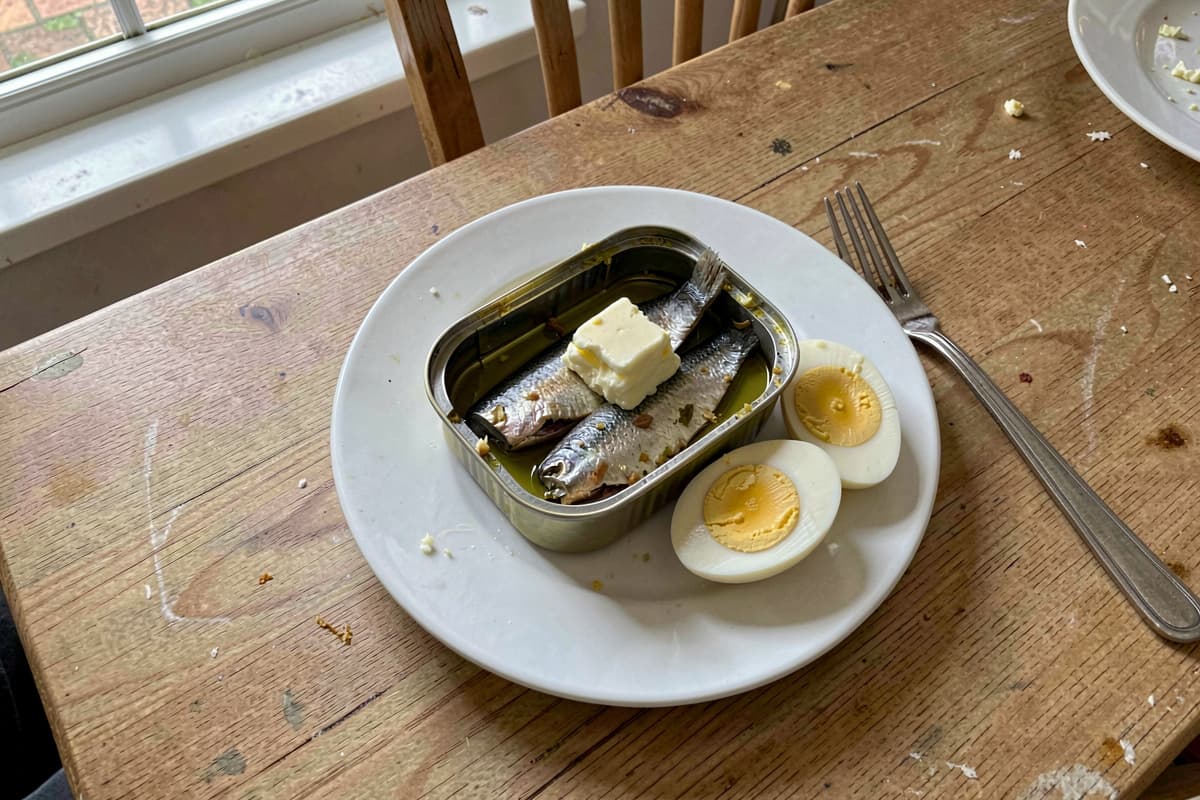
5-Minute Sardine Plate
A no-cook, nutrient-dense plate loaded with omega-3s. Perfect for a quick carnivore lunch or snack when you do not feel like cooking.
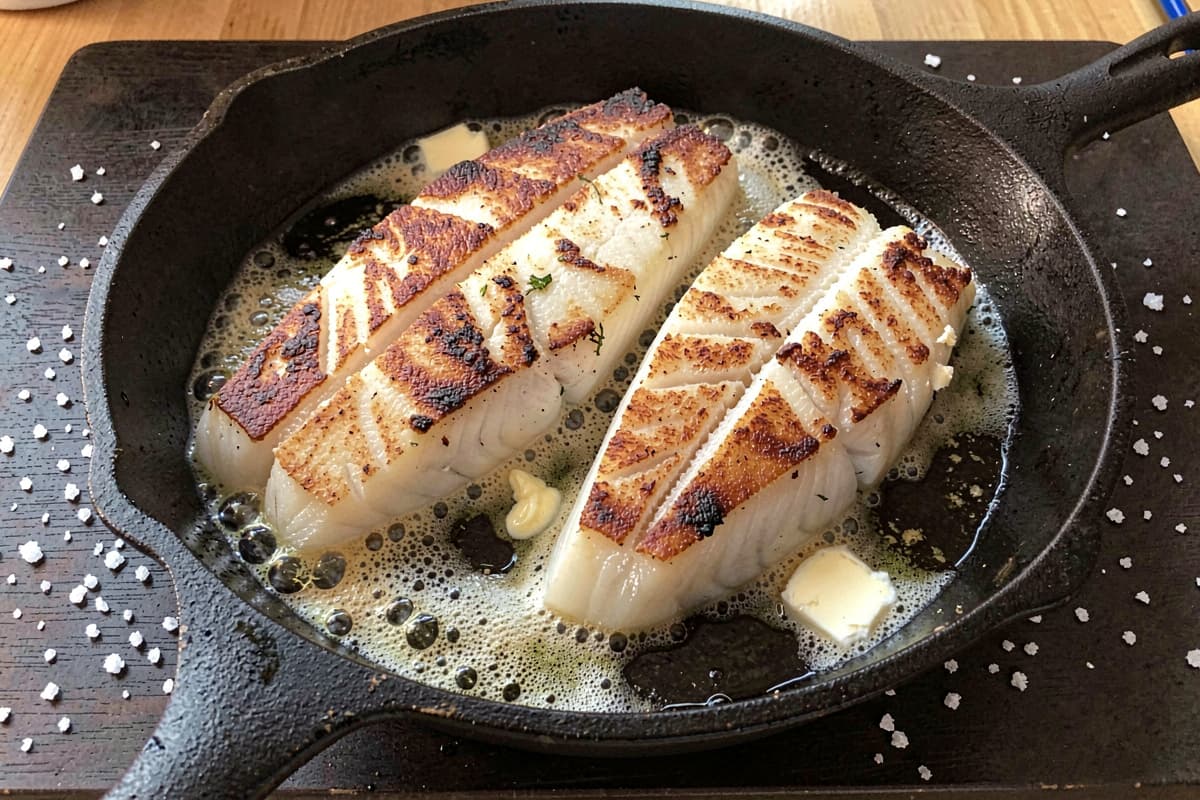
Pan-Fried Cod (Salt + Butter)
1 lb cod fillets seared in butter for 3-4 minutes per side. Salt only — no flour, no lemon. 32g protein, 6g fat per 6 oz. The cleanest fish dinner.
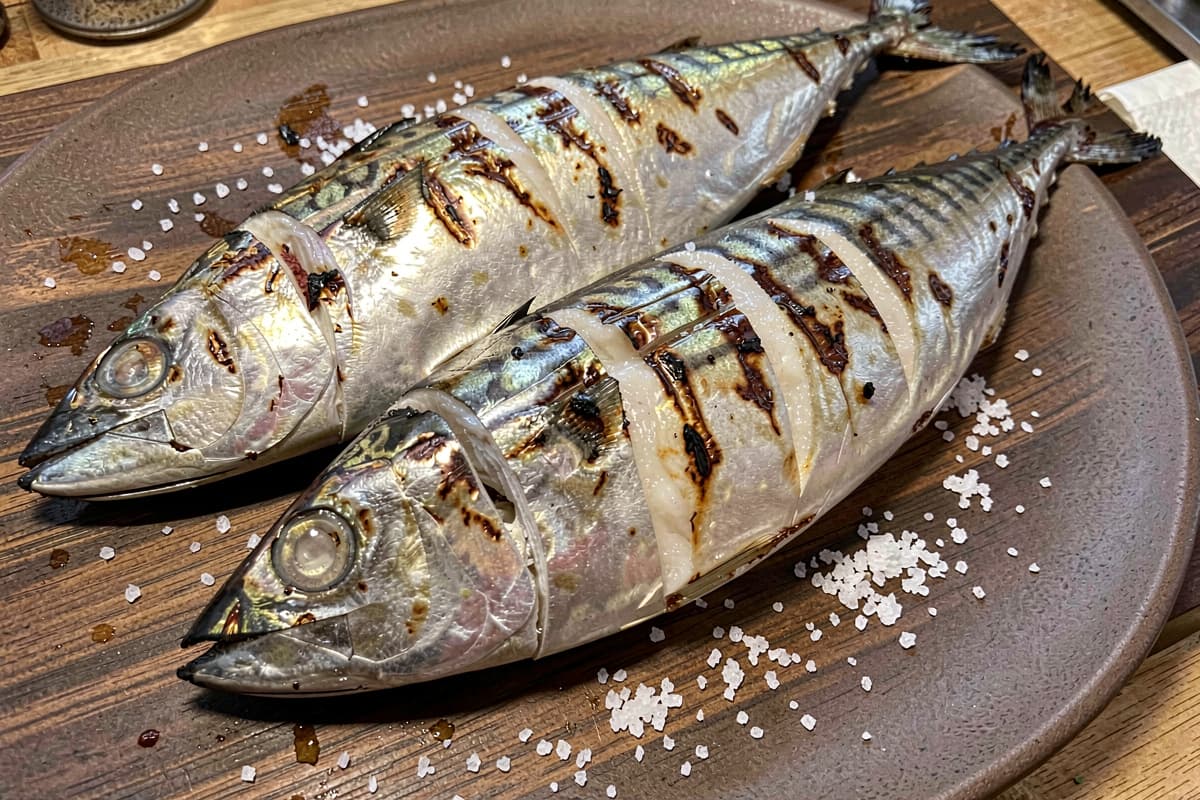
Grilled Whole Mackerel (Salt-Only)
2 whole mackerel scored, salted, grilled over high heat for 4 min per side. Salt only. Highest omega-3 fish at $5-7 per pound. 30g protein per half-fish.
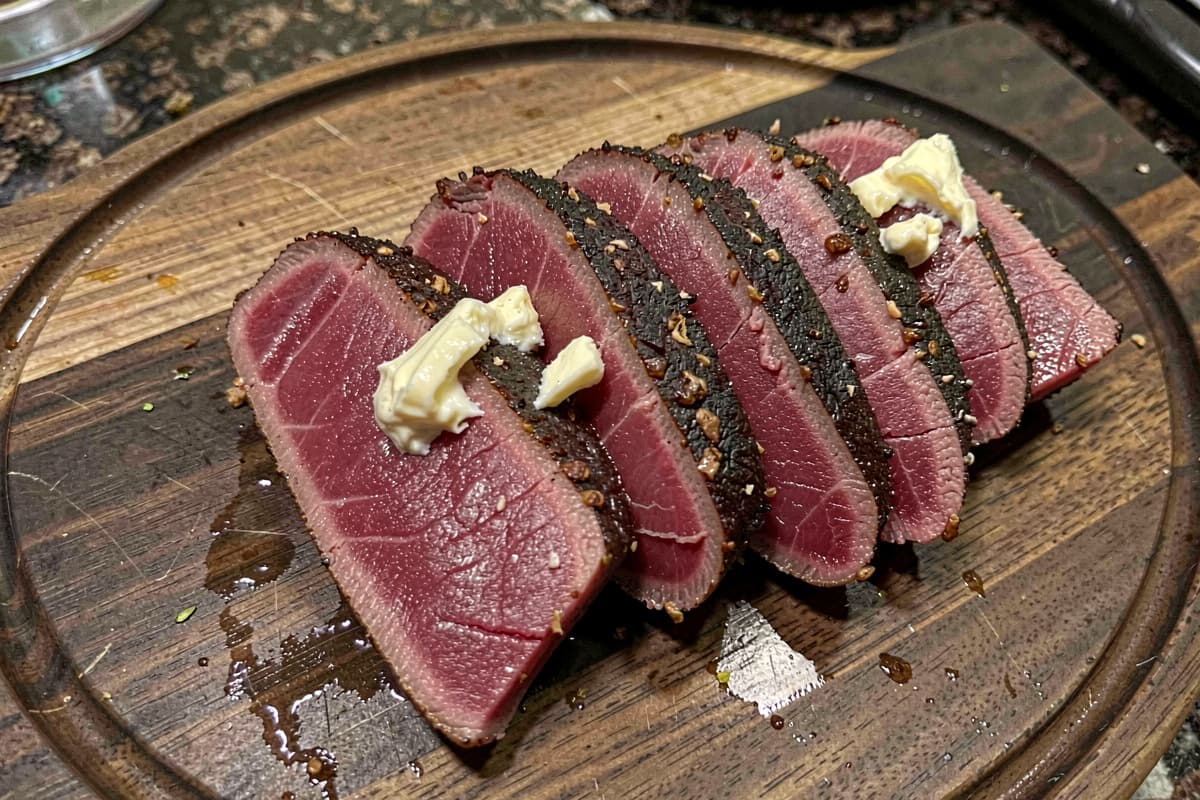
Seared Tuna Steak (Rare-Center, 90 Seconds Per Side)
1-inch thick ahi tuna steak seared 90 seconds per side in butter. Salt only — no soy, no sesame. Rare center, crusty exterior. The 4-minute carnivore dinner.
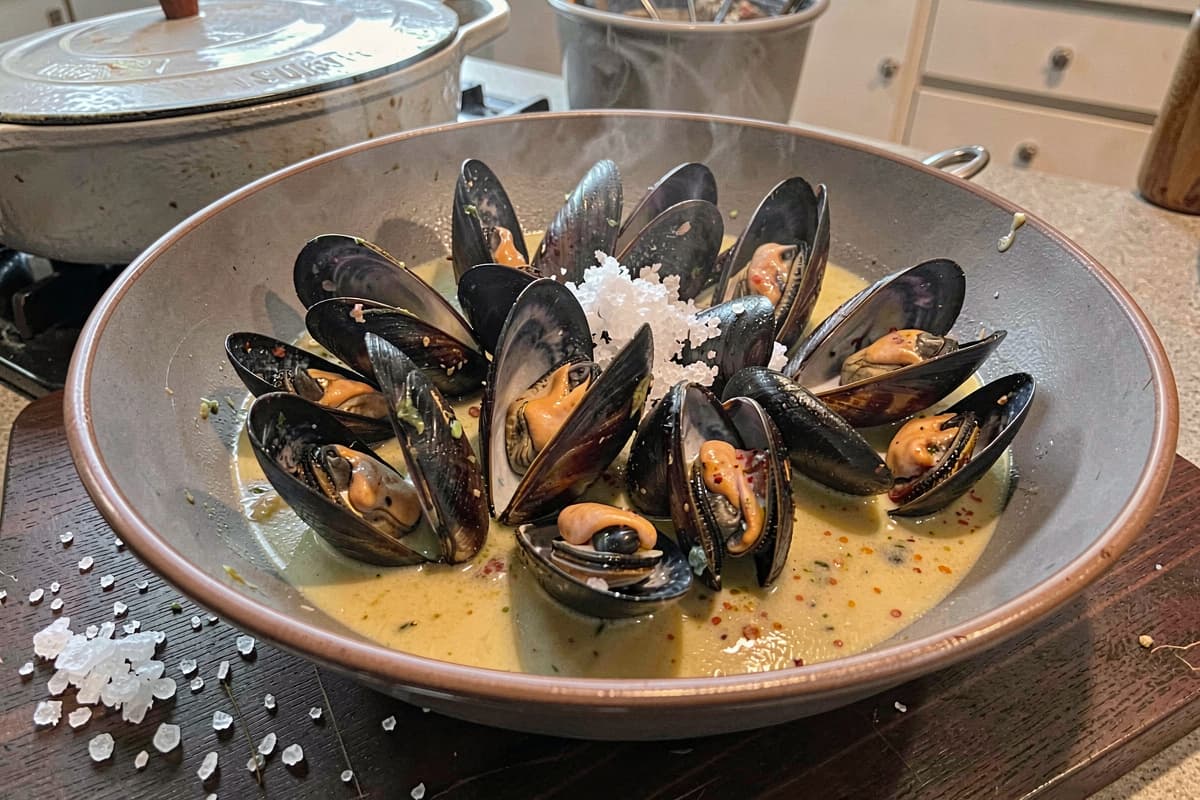
Mussels in Butter (Salt-Only Steam)
2 lb fresh mussels steamed open in ½ cup butter and salted broth. No wine, no garlic, no parsley. The strict carnivore moules-marinière.
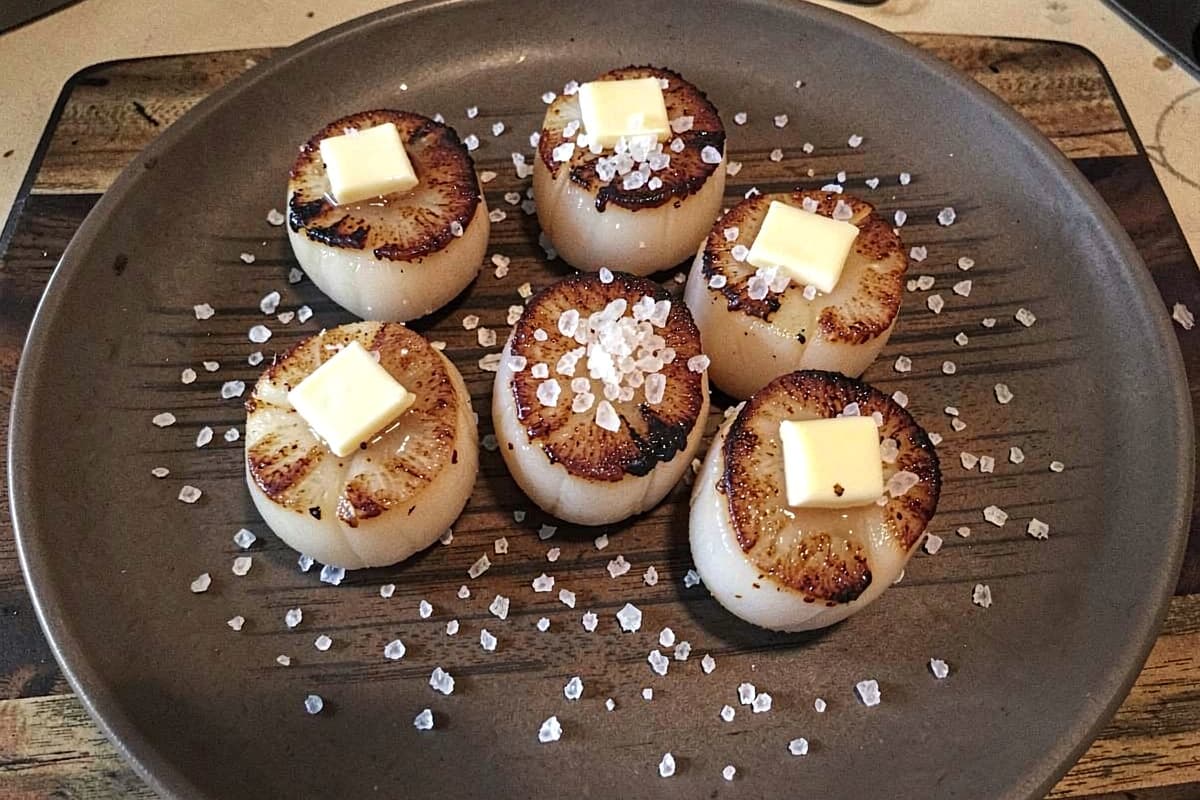
Pan-Seared Scallops (90 Seconds Per Side)
8 large dry-pack sea scallops seared in butter for 90 seconds per side. Salt only. The 4-minute restaurant-grade carnivore dish at $5 per scallop.
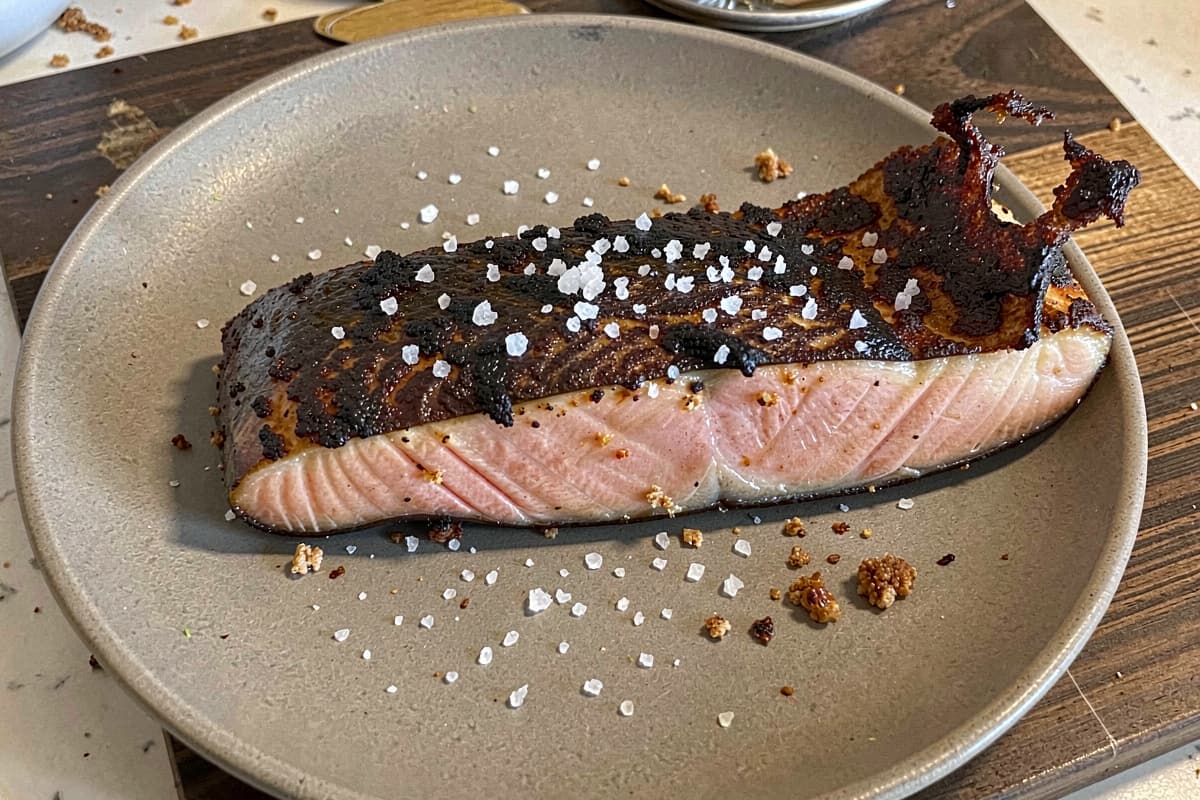
Pan-Fried Salmon (Crispy Skin)
6-oz salmon fillet seared skin-down for 5 minutes in cold pan, flipped 1 minute. Salt only — no lemon, no dill. The 7-minute crispy-skin carnivore dinner.
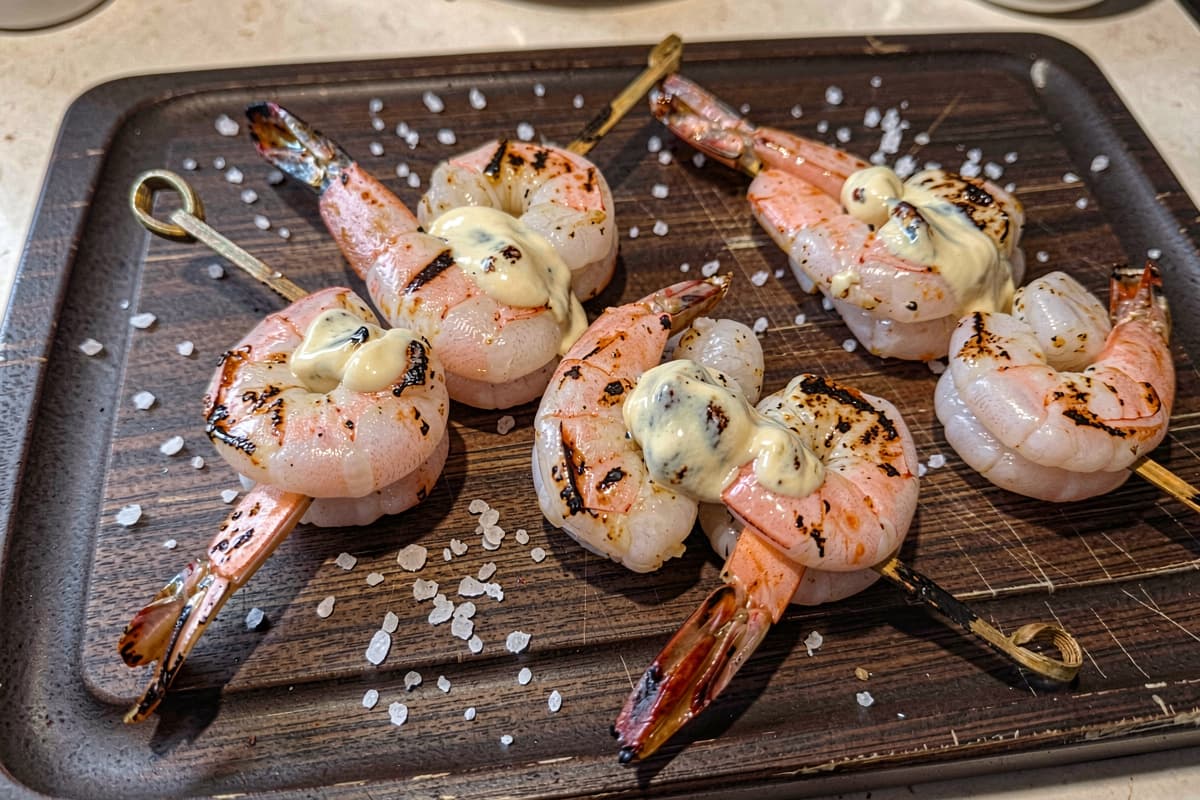
Grilled Shrimp Skewers (4-Minute Method)
1 lb large shrimp peeled, threaded on skewers, grilled over high heat for 90 seconds per side. Salt and butter only. $4 per serving.
How to choose seafood
A carnivore seafood rotation usually has 3 components:
No-cook canned protein. Sardines, mackerel, smoked oysters, salmon, tuna. Open the can, drain (or don't), eat. 3 to 5 minutes total. Wild Planet, King Oscar, and Bumble Bee Wild Caught are the common clean-label brands. Standard 3.75-4 oz cans run 200 to 300 calories and 25 to 35g protein.
Quick-cook fresh fish. Pan-seared salmon (4 minutes per side over medium-high heat in butter), pan-seared shrimp (90 seconds per side, salt only), seared scallops (2 minutes per side). All finish in under 10 minutes. Buy frozen if fresh isn't available — most 'fresh' fish at supermarkets was previously frozen anyway.
Seafood as fat source. Smoked oysters in olive oil (10g fat per can), full-fat salmon collars (30g+ fat per 100g), mackerel in olive oil. Use these to add omega-3-rich fat to a meal that's otherwise lean.
See the sardine plate recipe below for the fastest carnivore meal you can make.
Common Mistakes (and Fixes)
Buying water-packed sardines on a strict carnivore diet
Water-packed sardines are 1g of fat per can vs 11g for olive-oil-packed. The fat is what makes the meal satisfying. Either buy oil-packed (avoiding seed oils — look for olive oil only) or add a tablespoon of butter to your water-packed can to bring the fat content back up.
Avoiding all fish over mercury concerns
Mercury concentration is well-mapped — sardines, anchovies, mackerel, salmon, and shrimp are all in the 'low mercury' category (under 0.1 ppm). King mackerel, swordfish, shark, and big tuna (yellowfin, bigeye) are the high-mercury fish to limit. The blanket 'fish has mercury' fear is misplaced for short-lived species.
Pouring out the oil from the can
When you drain canned sardines or mackerel, the oil contains 30 to 40% of the omega-3s. Either eat the oil (drizzle over hard-boiled eggs) or buy oil-packed cans and don't drain. Pouring it down the sink is the most expensive way to eat sardines.
Frequently Asked Questions
How much seafood per week is safe?
Low-mercury fish (sardines, anchovies, mackerel, wild salmon, shrimp) — eat as much as you want. Medium-mercury (canned light tuna, halibut, snapper) — limit to 2 to 3 servings per week. High-mercury (swordfish, king mackerel, shark, big-eye tuna) — limit to 1 serving per month or skip entirely.
Are oysters carnivore-approved?
Yes. Oysters are an animal food and one of the most nutrient-dense options on the carnivore diet — a single 3 oz serving delivers 7x your daily zinc, 4x your daily B12, and 76mg of EPA + DHA omega-3s. Six oysters is the standard carnivore serving, raw or cooked.
Can I eat sushi on carnivore?
Yes if you skip the rice. Sashimi is straight raw fish — fully carnivore. A typical sashimi order at a restaurant is 12 to 16 pieces of raw fish (60 to 80g protein) for $25 to $35. Avoid rolls, soy sauce, wasabi paste, and pickled ginger — all are plant-based.
Why are sardines so heavily recommended?
Three reasons. First, they're the lowest-mercury fish you can buy (almost zero accumulation due to their short lifespan). Second, the soft bones in canned sardines provide 250mg+ of calcium per can — among the most calcium-dense single foods on carnivore. Third, they're cheap ($1.50-3/can) and shelf-stable for years.
Should I take fish oil supplements?
Most carnivore eaters who eat 2+ cans of sardines or 2 servings of fatty fish per week don't need fish oil. The 700mg of EPA + DHA in one can of sardines exceeds the typical fish oil pill dose (300-500mg). Whole-food omega-3s also come with co-factors (vitamin D, selenium) that pills don't.