Pork Recipes
Pork is the second most common protein in carnivore eating, mostly because pork belly, bacon, and pork shoulder are among the cheapest and fattiest cuts available. Pork belly delivers 16g protein and 53g fat per 100g cooked — the highest fat content of any common meat. Bacon provides 37g protein and 42g fat per 100g (after rendering). Pork shoulder cooks down to 25g protein and 19g fat. Daily pork intake among carnivore eaters tends to be 4 to 12 oz per day, often as bacon at breakfast plus a fattier dinner cut. The recipes below cover crispy pork belly bites — the highest-fat-yield pork preparation — plus the standard breakfast plate that uses bacon as the fat source for cooking eggs and sausage.
Recipes in this category
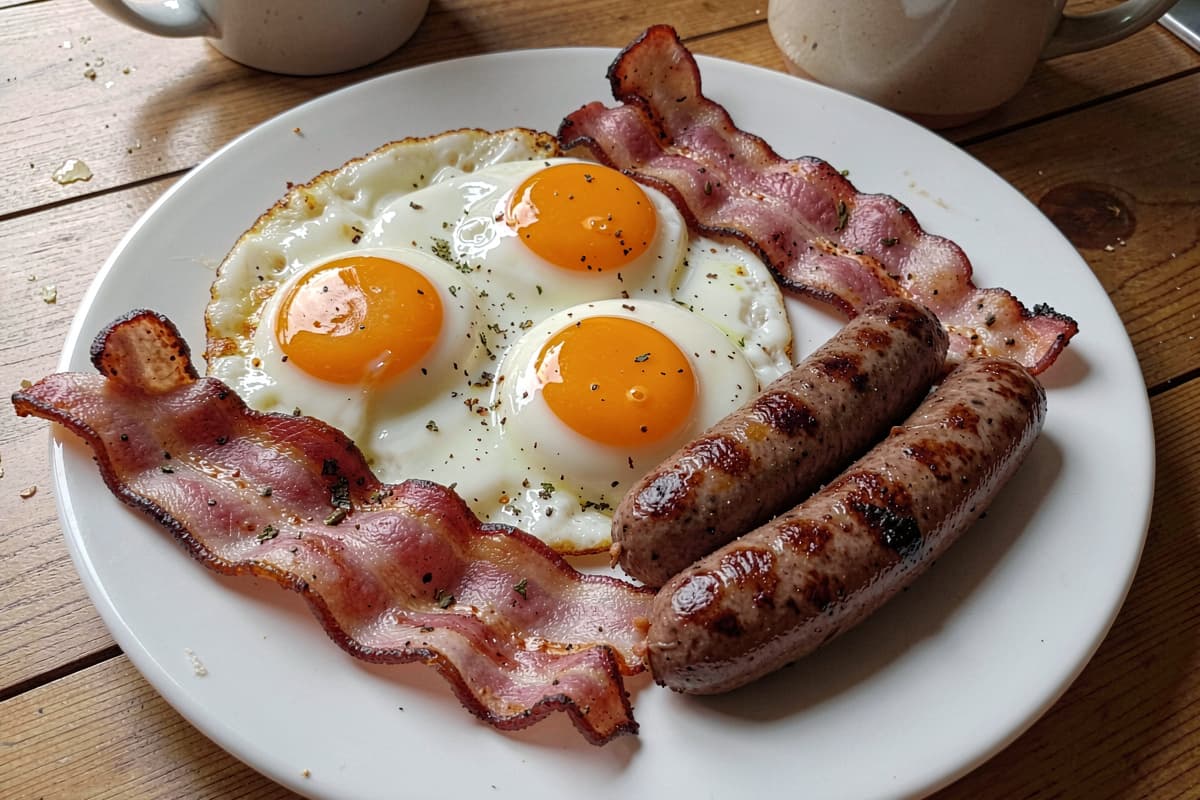
Carnivore Breakfast Plate
The classic carnivore breakfast: crispy bacon, runny eggs, savory beef sausage. 38g protein, 40g fat, 520 calories per plate. 12 minutes start to plate.
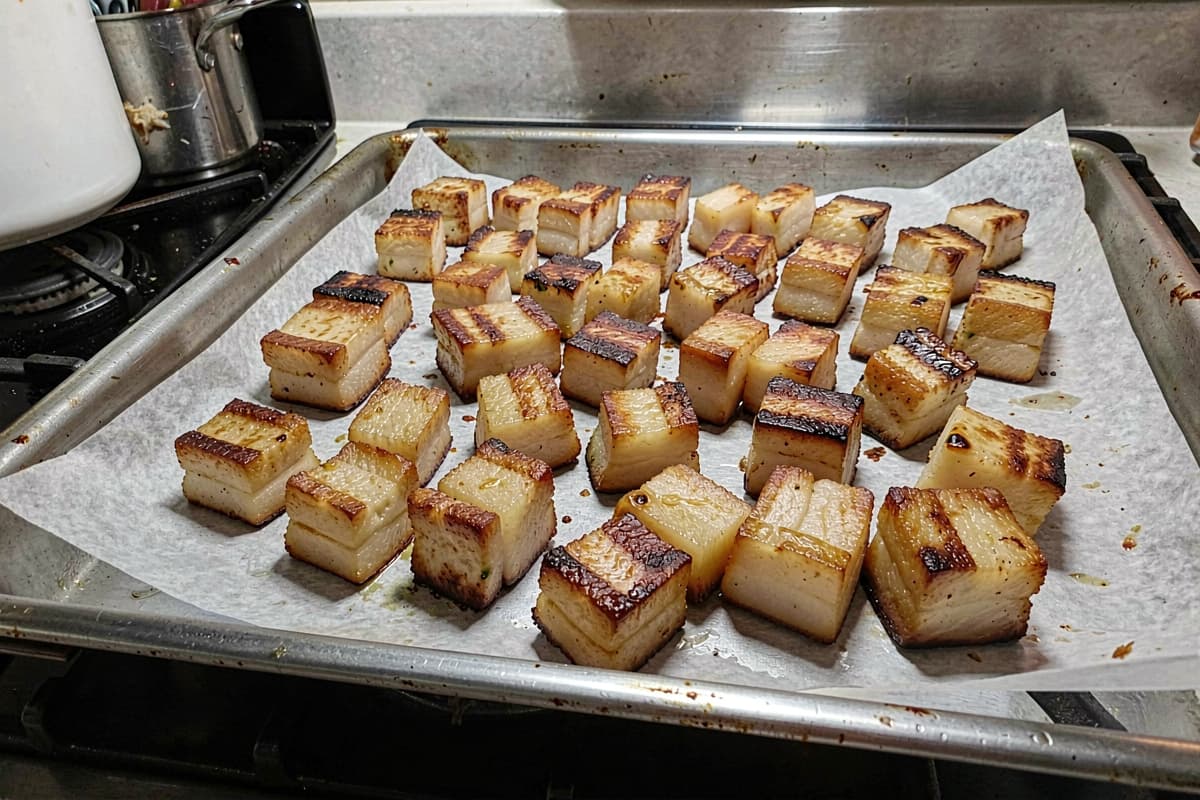
Crispy Pork Belly Bites
Crunchy outside, melt-in-your-mouth tender inside. Scored, salted, slow-roasted 90 min then crisped at 450°F. 22g protein, 46g fat per 6 oz cooked.

Egg & Cheese Cups
Easy baked egg cups with melted cheddar and crispy bacon bits. 6g protein per cup. Batch 12 in 25 minutes, reheat through the week — $0.50 each.
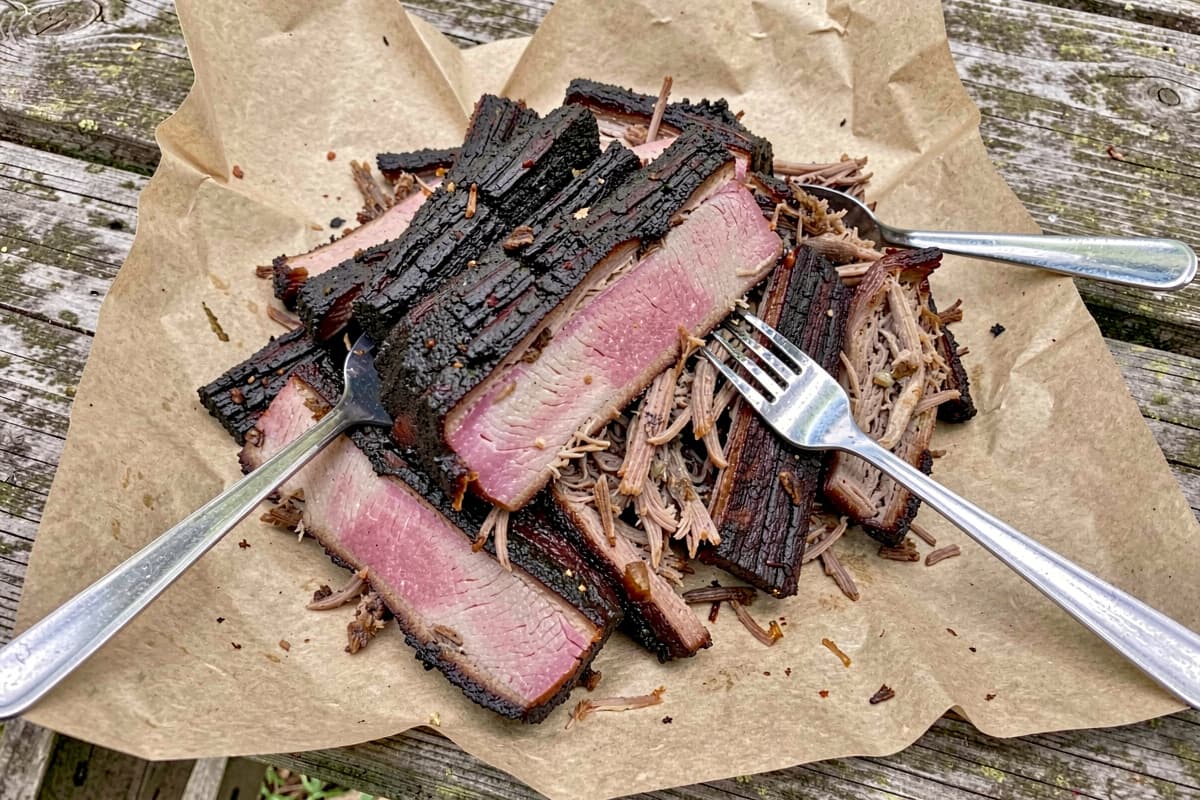
Smoked Pulled Pork (Carnivore)
Pork shoulder smoked low-and-slow for 12 hours, salt-only seasoning, no sauce. 8 servings of fall-apart tender pulled pork at $4-5 per serving.
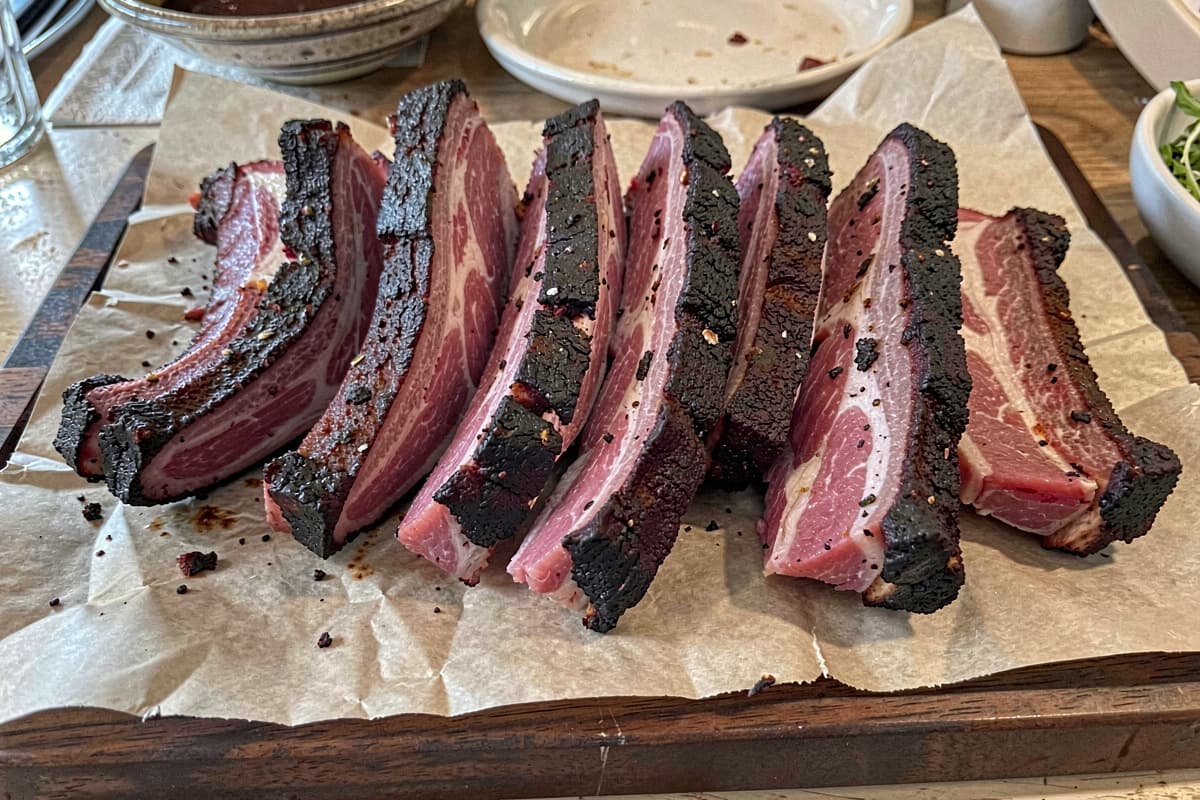
3-2-1 Ribs (Carnivore, Salt-Only)
Baby back ribs done the 3-2-1 way — 3 hours smoke, 2 hours wrapped with butter, 1 hour unwrapped to firm. Salt only, no sugar rub. 6 hours total at 225°F.
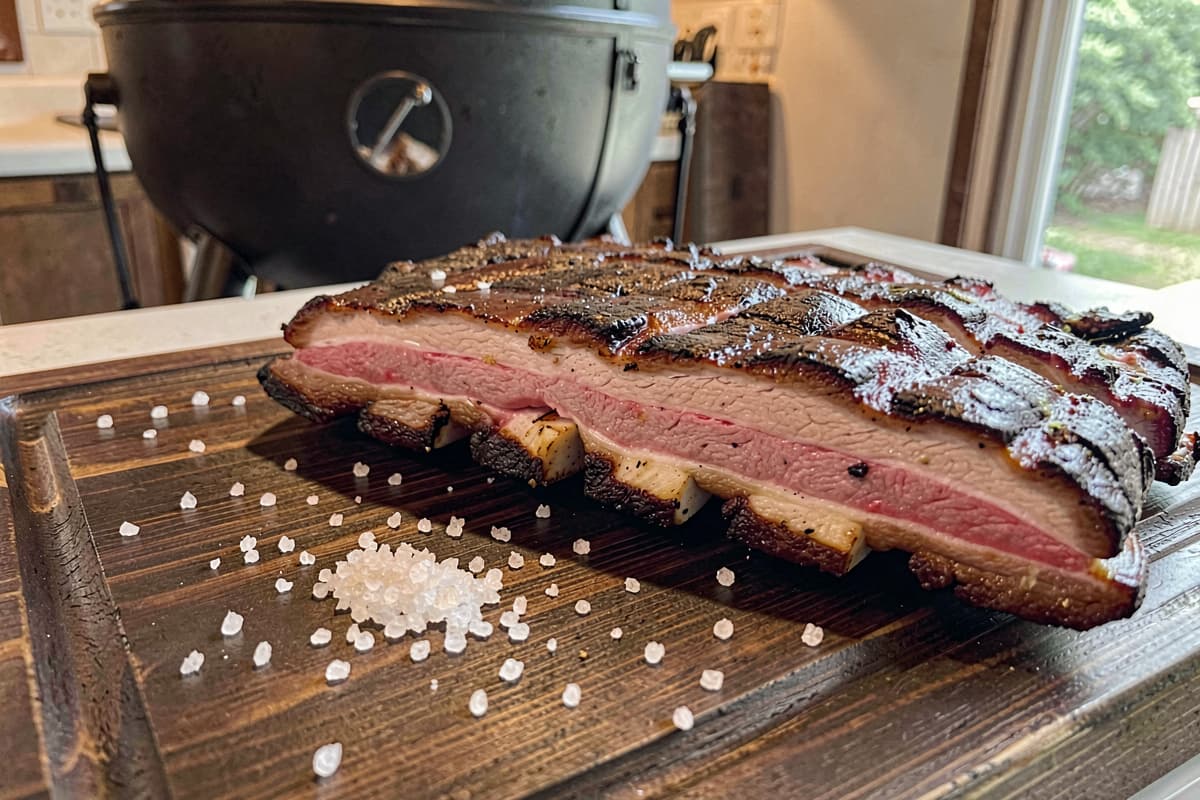
Smoked St. Louis Spare Ribs (Salt-Only)
St. Louis-cut spare ribs smoked at 225°F for 5-6 hours, salt only. Fattier and meatier than baby backs at half the price. $3-4 per serving.
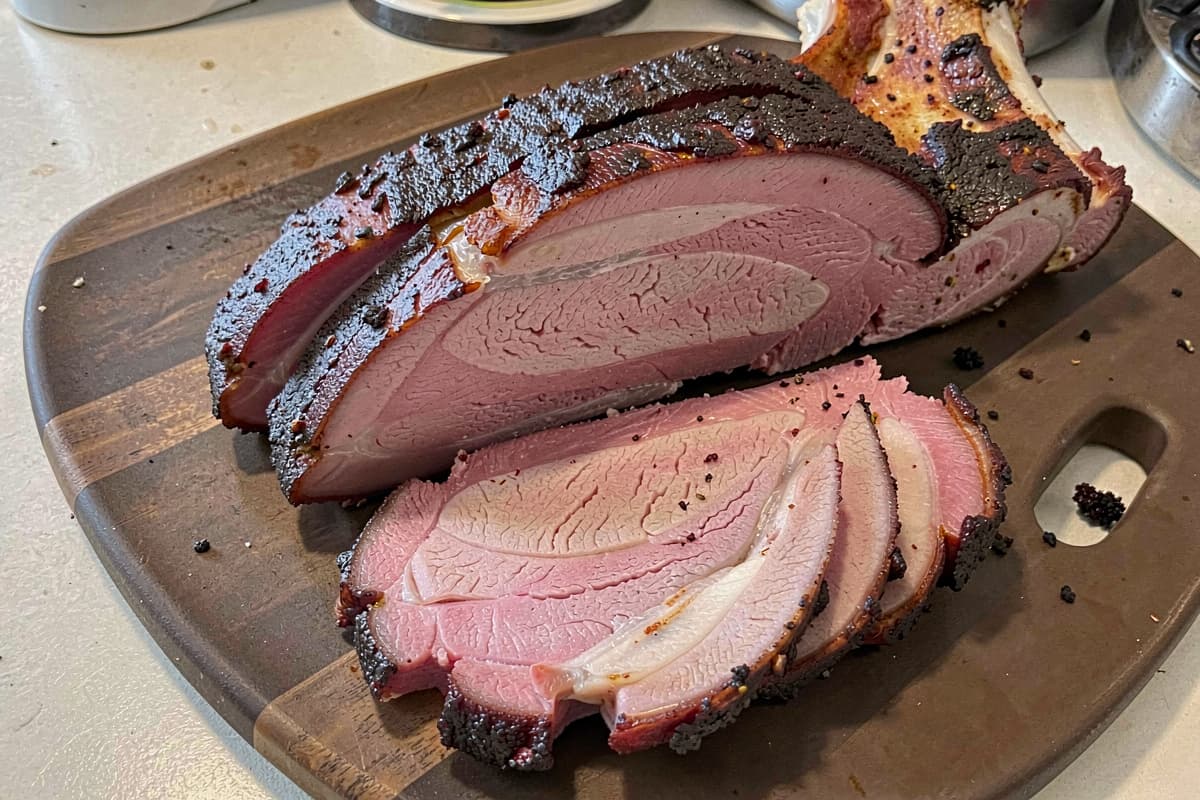
Smoked Pork Butt (Sliced, Not Pulled)
8-pound pork butt smoked at 225°F to 195°F internal, sliced thick like brisket instead of pulled. 10-hour cook, salt only. Different from pulled pork.
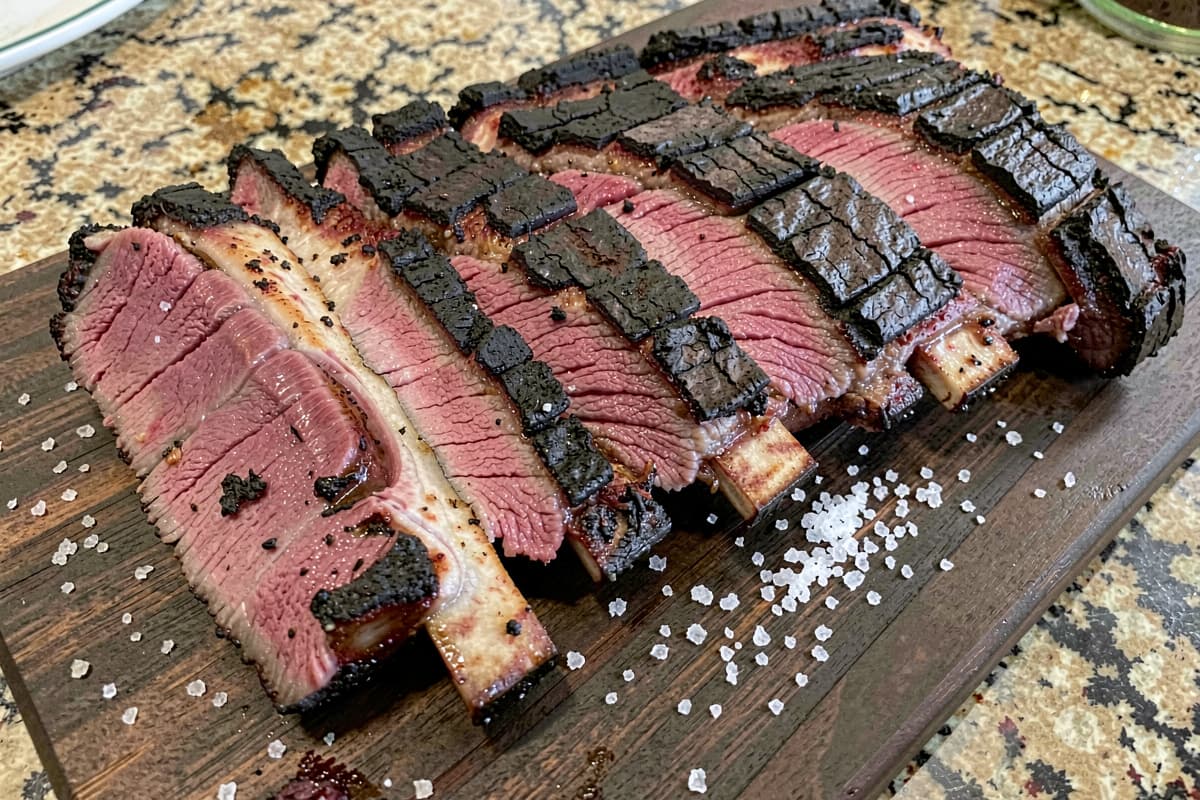
Smoked Baby Back Ribs (No-Wrap, Naked Bark)
Baby back ribs smoked at 225°F for 5 hours, no foil, no wrap. Salt only. The naked-bark method gives darker bark than 3-2-1. 32g protein per 6 oz.
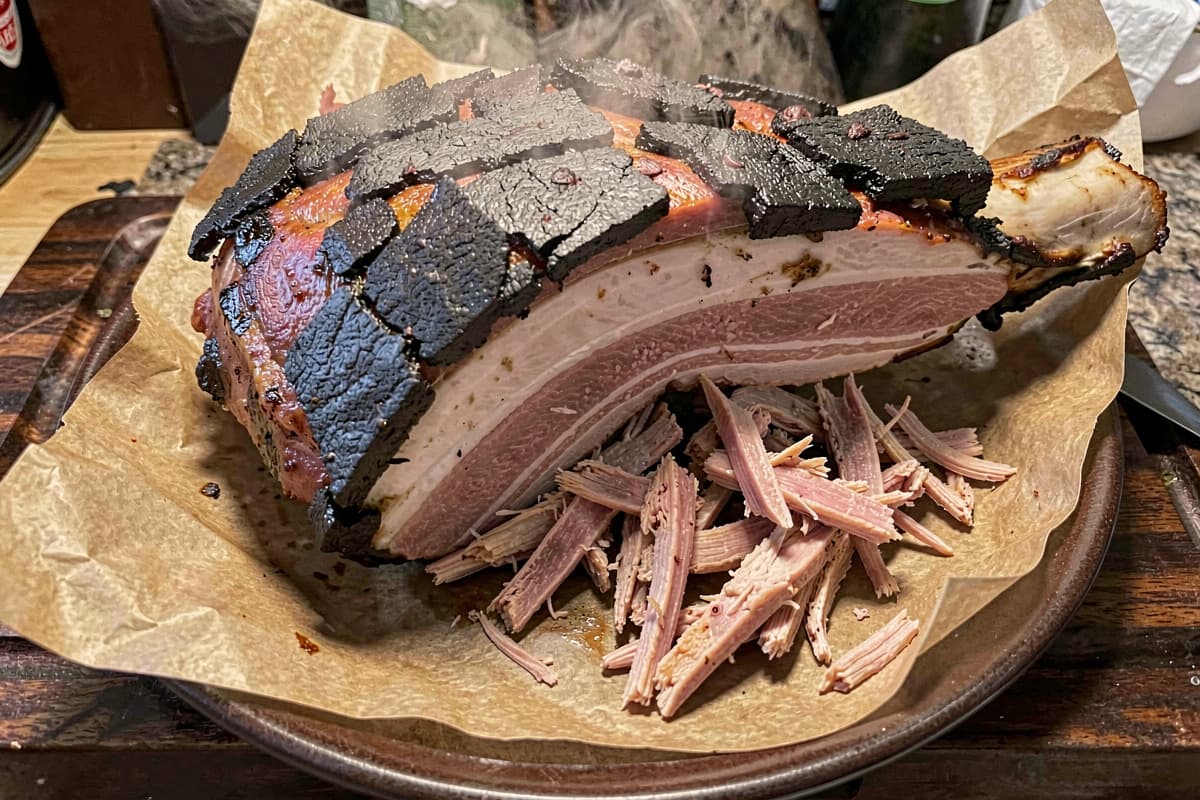
Smoked Pork Shoulder (Bark-Forward Method)
8-pound pork shoulder smoked at 225°F for 12 hours with bark-forward dry-brine technique. Salt only, no spritz. Cheapest carnivore protein per dollar.
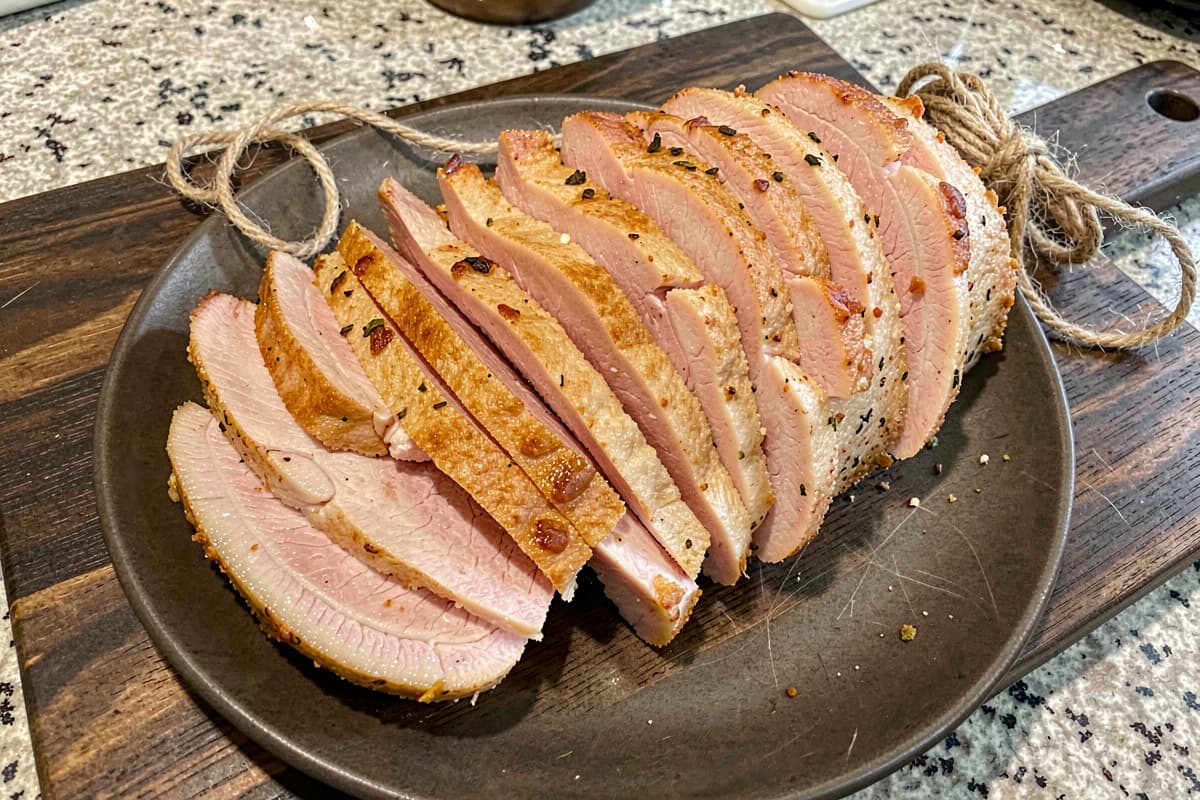
Smoked Boneless Pork Loin Roast
4 lb boneless pork loin smoked at 225°F for 2.5 hours to 145°F. Dry-brine 24 hours, salt only. The lean cousin of pulled pork. 32g protein per 5 oz.
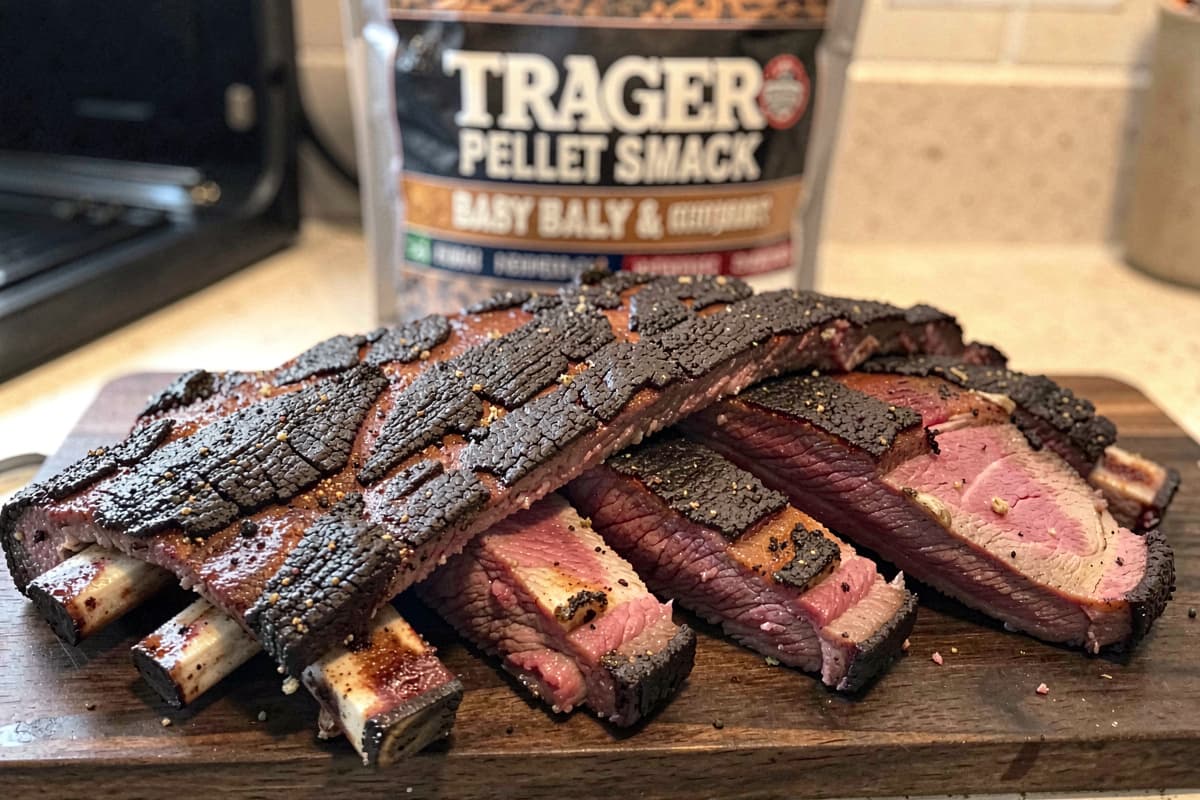
Traeger Ribs (Salt-Only, No-Sugar Adaptation)
Standard Traeger pellet smoker baby back ribs without the sugar rub. 225°F super smoke for 3 hours, wrap with butter for 2, finish 1. Carnivore-strict.
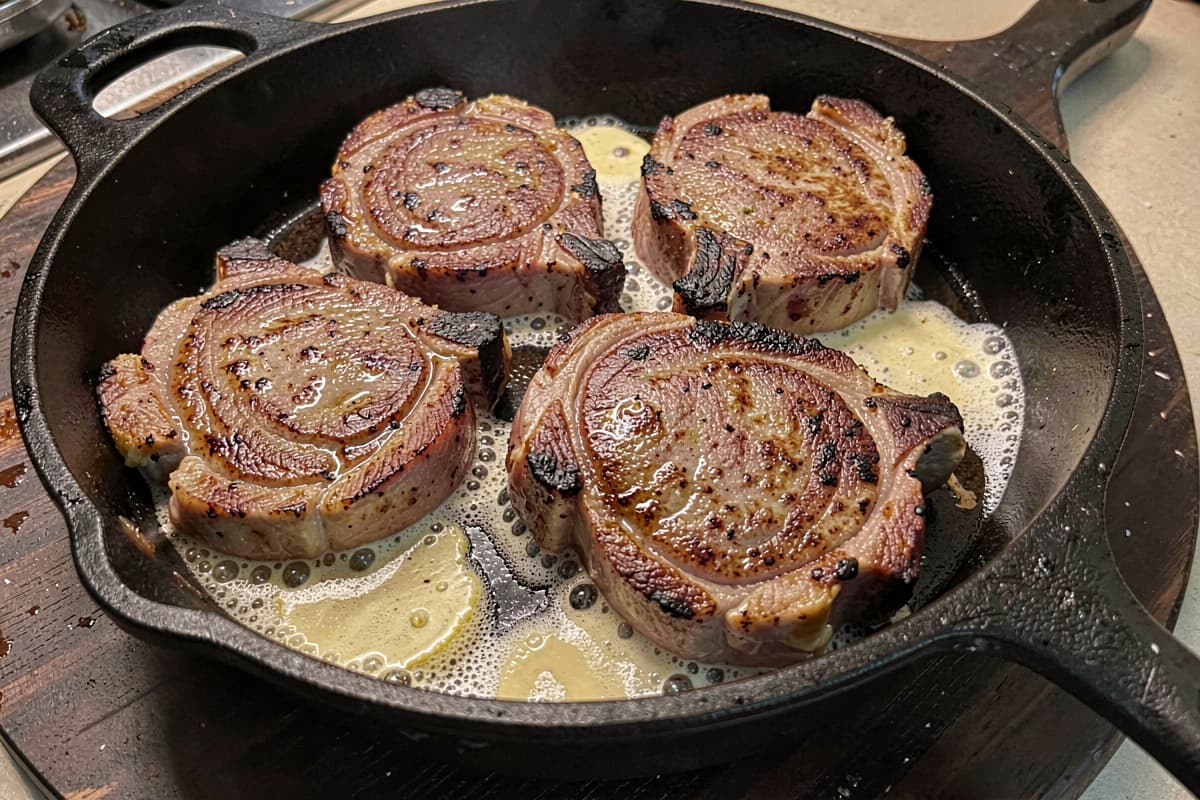
Oven-Baked Bone-In Pork Chops
Thick-cut bone-in pork chops in a 425°F oven for 14-18 minutes to 145°F internal. Salt and butter only. The 20-minute carnivore weeknight dinner.
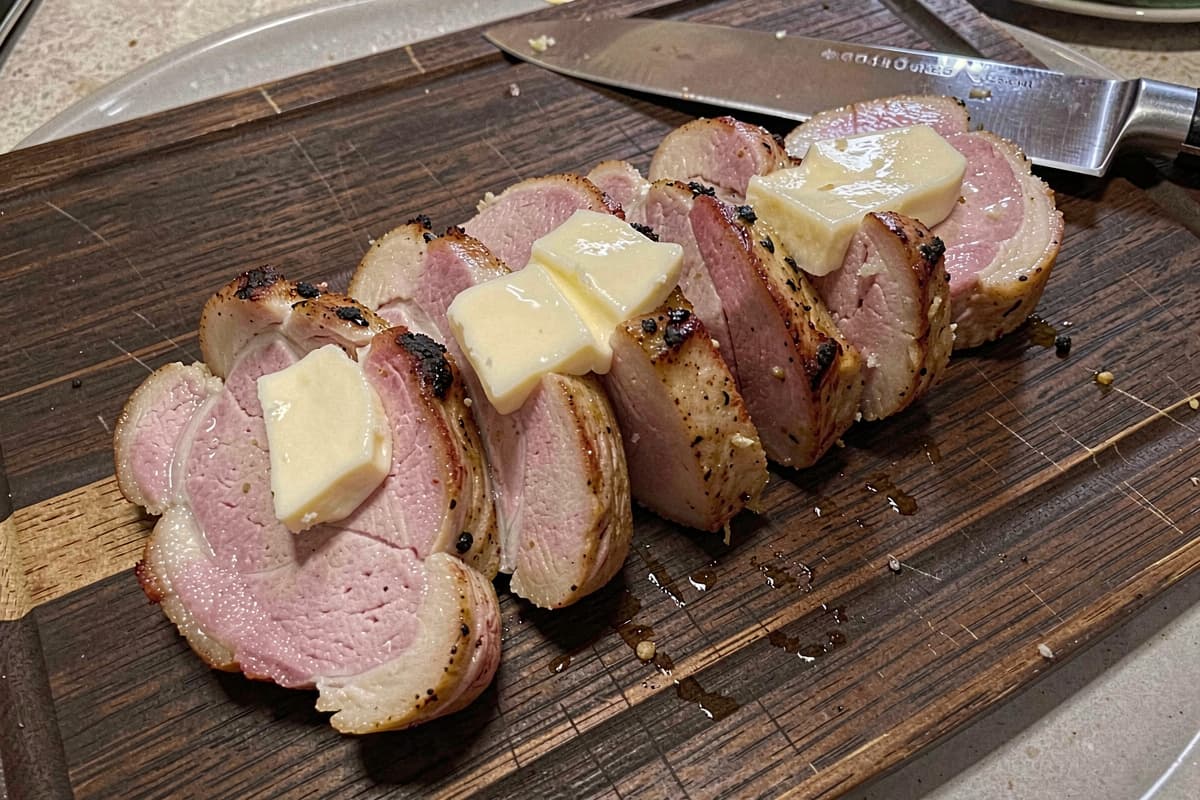
Oven-Roasted Pork Tenderloin
1-1.5 lb pork tenderloin seared then roasted at 425°F for 15-20 min to 145°F. Salt only. 32g protein, 5g fat, 180 calories per 5 oz. $5 per serving.
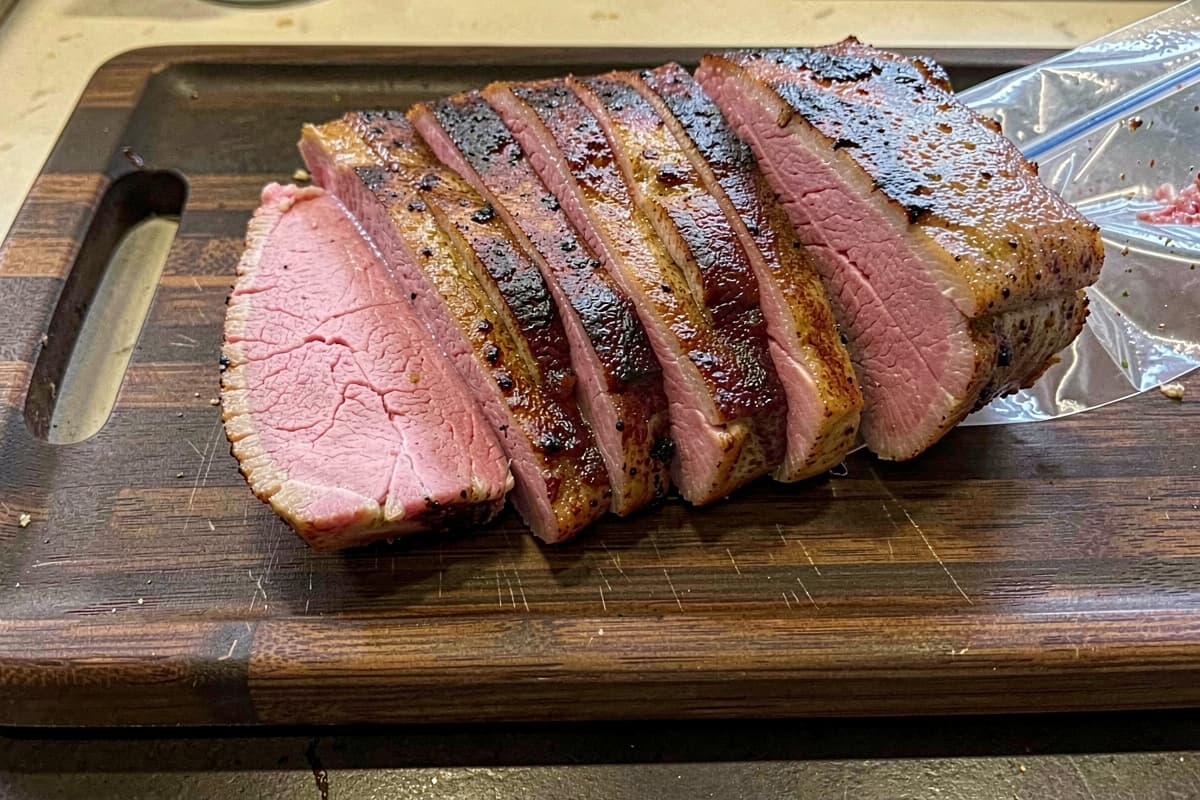
Sous Vide Pork Loin (140°F for 4 Hours)
3-lb pork loin sous vide at 140°F for 4 hours, then seared in cast iron. Salt only. Edge-to-edge pink, USDA-safe, juicier than oven-roast.
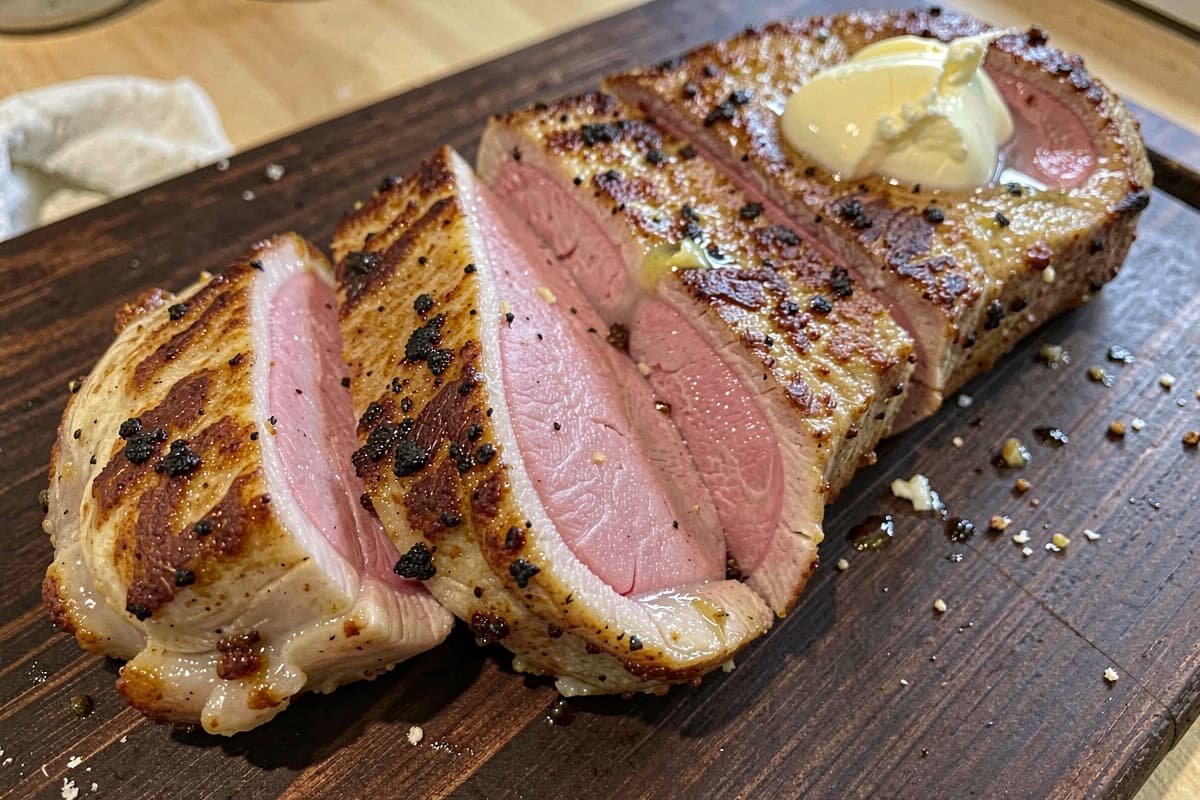
Sous Vide Pork Tenderloin (140°F for 90 Minutes)
1-1.5 lb pork tenderloin sous vide at 140°F for 90 minutes, then seared. Salt only. The leanest pork cut, cooked perfectly without drying.
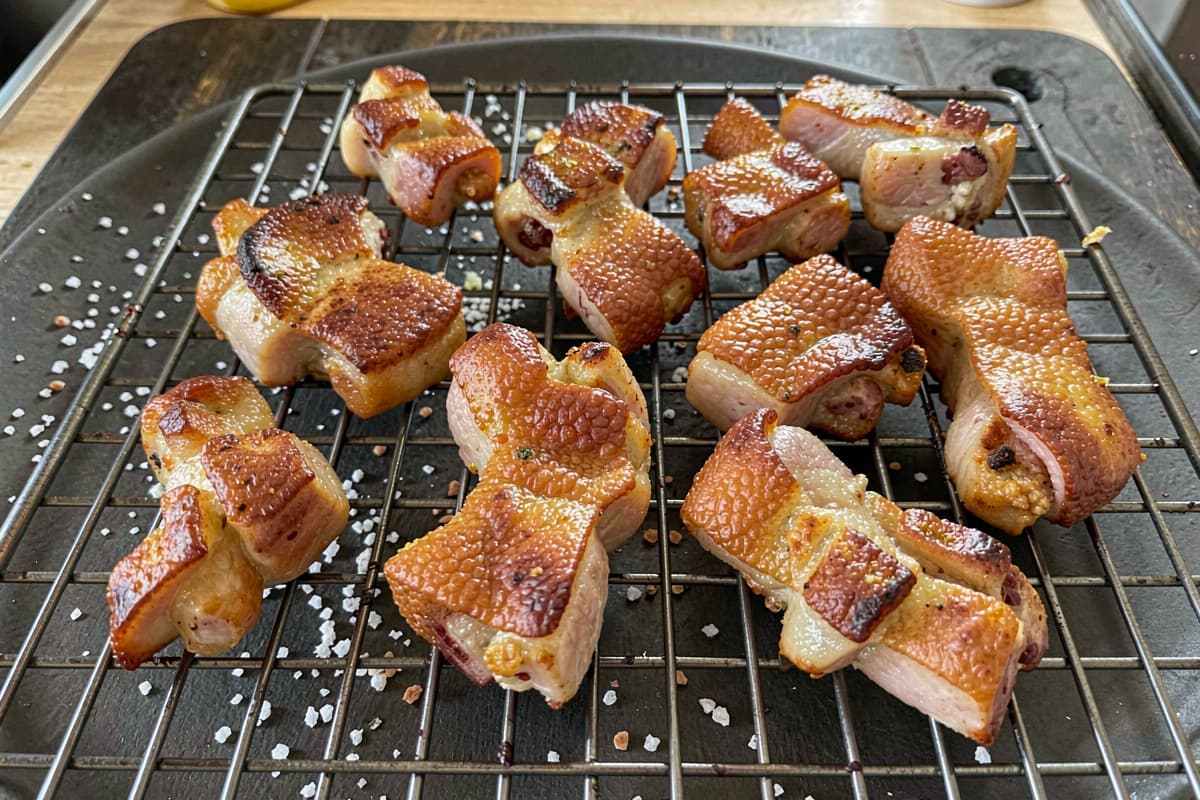
Pork Crackling (Crispy Pork Skin)
1 lb pork skin scored, salted, slow-roasted at 300°F for 2 hours then crisped at 450°F. Salt only. The savory zero-carb chip alternative.
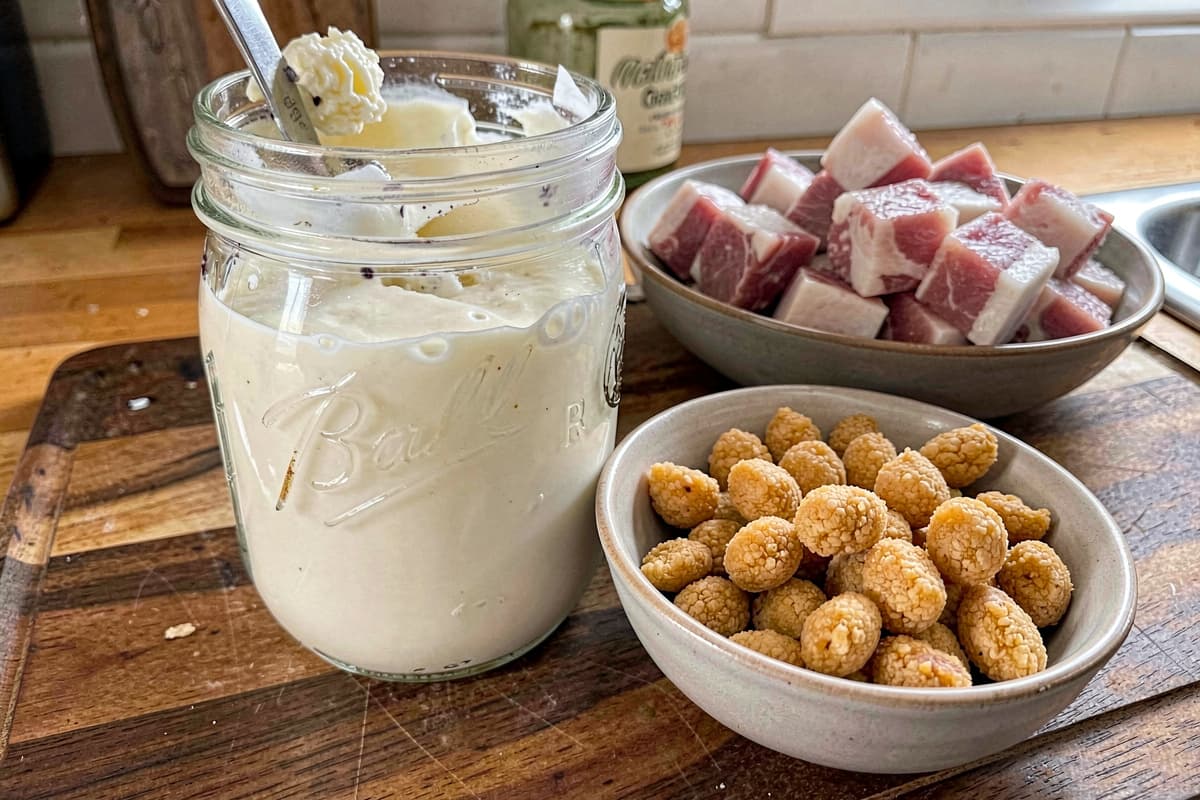
How to Render Lard from Pork Fat
1 lb pork leaf fat slow-rendered for 4 hours into 14 oz of clean white lard. Stores 6+ months refrigerated. Smoke point 374°F. 115 calories per tbsp.

Homemade Pork Rinds (Twice-Fried)
Pork skin pre-dried then puffed in 425°F lard for 30 seconds. The bagged-snack texture, made at home. Salt only. 17g protein, 155 calories per oz.
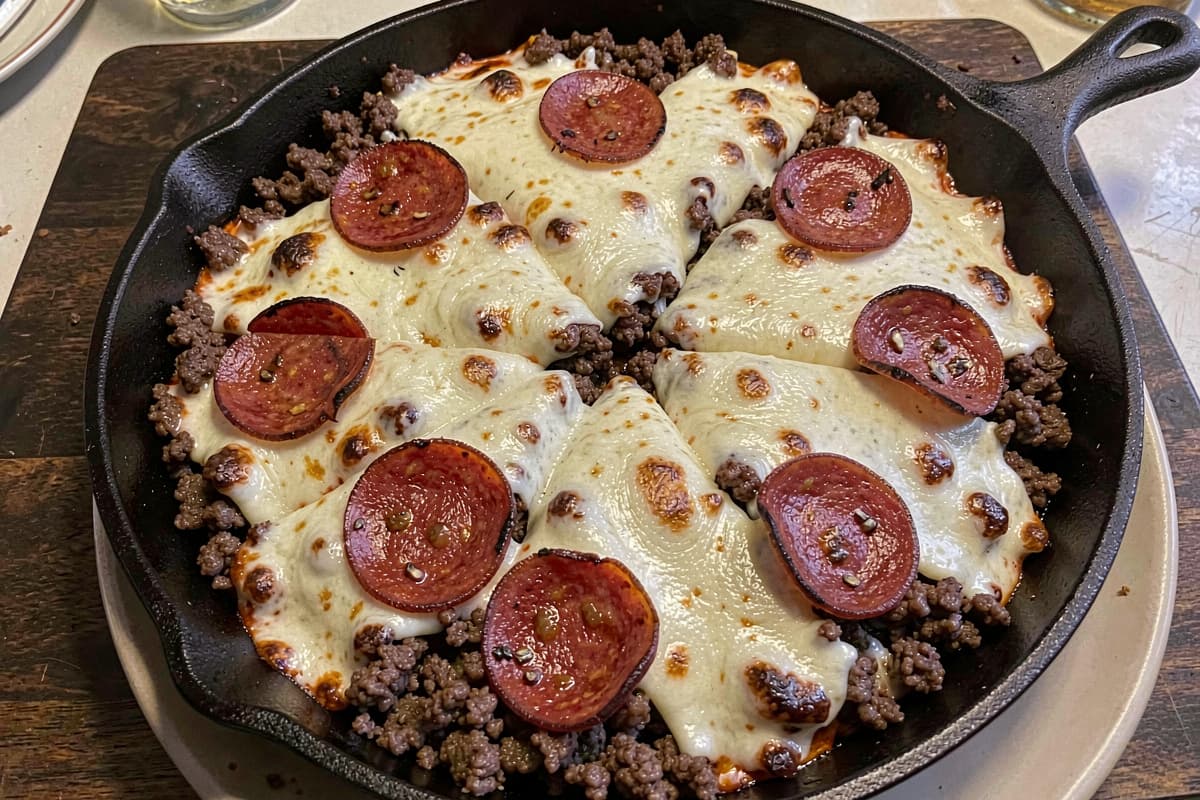
Carnivore Pizza (Meat-Base, No Crust)
Ground beef pressed into a 10-inch round, seared crispy, topped with melted cheese and pepperoni, baked until bubbling. The viral carnivore-pizza format.
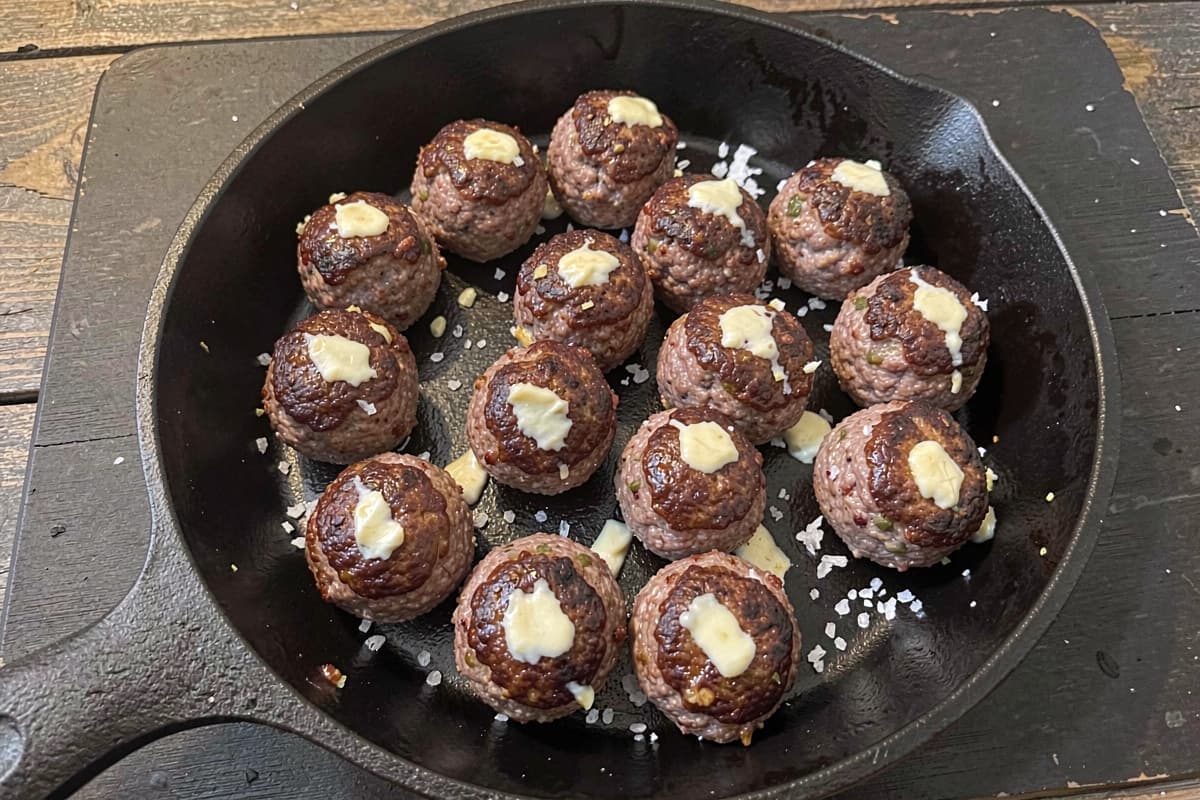
Pork Meatballs (No Binder, Salt + Eggs Only)
1 lb ground pork mixed with 1 egg, formed into 16 meatballs, seared in cast iron 8 minutes. No breadcrumbs, no parmesan, no Italian herbs.

Venison Burger (Carnivore, Mixed with Pork Fat)
1 lb ground venison mixed 80/20 with pork fat (lean venison alone dries out). Formed into 4 patties, seared 3-4 minutes per side. Salt only.
How to choose a pork cut
Pork is the budget-friendly fat source on carnivore. Pick from three categories:
Pork belly and bacon. Pork belly ($4-6/lb) delivers more fat per dollar than any other cut. Buy 2 to 3 lbs at a time, roast a tray of crispy pork belly bites, eat over 3 to 4 days. Thick-cut bacon ($6-10/lb) is the standard breakfast fat source — cook 4 strips, use the rendered fat for everything else in the pan.
Pork shoulder. $3-5/lb. Slow-cook 4 lbs at 225°F for 6 to 8 hours, shred, eat for a week. The single best meal-prep cut for carnivore eaters who don't want to cook every day. Each 6 oz serving is 30g protein, 20g fat, 290 calories.
Pork chops and tenderloin. Bone-in chops cooked hot and fast (3 to 4 minutes per side at 145°F internal) are the dinner staple. Tenderloin is leaner (4g fat per 100g) — only buy plain unmarinated and add fat when cooking with butter or tallow.
See the related comparison on beef tallow vs ghee for the best cooking fats to use with pork.
Common Mistakes (and Fixes)
Buying pre-marinated tenderloin from grocery stores
Most retail pork tenderloin in the US comes pre-injected with salt water and 'natural flavor' — typically maltodextrin, sugar, and starch. Read the label. Look for 'plain' or 'unmarinated' tenderloin, which usually costs the same and has zero additives.
Cooking pork chops well-done
USDA dropped the recommended internal pork temperature from 160°F to 145°F in 2011, and most chefs cook bone-in chops to 140°F. Above that, the meat dries out and gets tough. Modern commercial pork has effectively zero risk of trichinosis.
Trimming the fat off bacon
The point of bacon is the fat. Trimmed lean bacon is 50% less satisfying, renders almost no cooking medium, and turns into a crisp dry stick instead of the chewy-fatty texture that defines bacon. Buy thick-cut, eat the fat.
Related Food Comparisons
Frequently Asked Questions
Is pork as healthy as beef?
For most macronutrients yes — both deliver complete protein, B vitamins, zinc, and selenium. Pork has slightly less iron (1.0mg vs 2.1mg per 100g) and B12 (0.5mcg vs 2.5mcg) than beef but more thiamine. The most relevant difference for carnivore eaters: pork is 25 to 50% cheaper per pound and provides higher-fat options.
Why is bacon controversial on strict carnivore?
Most bacon contains 0.5 to 2g of sugar per ounce from the cure (sodium nitrite is buffered with sucrose or dextrose). Strict carnivore eaters either avoid bacon entirely or buy uncured 'bacon ends' with zero added sugar. For most practical eaters, the carb load from 4 strips of standard bacon (under 2g total) is small enough to ignore.
What about pork from factory farms?
Conventional pork in the US is fed primarily corn and soybean meal, which slightly raises the omega-6 content vs pasture-raised pork. The difference is real but small — most carnivore eaters who care about omega-6 ratios just balance it with regular sardines or fatty fish (0.7g omega-3 per can offsets conventional pork's omega-6).
How long does cooked pork keep?
Cooked pork keeps 3 to 4 days refrigerated (same as beef and chicken) and 2 to 3 months frozen. Cooked bacon dries out fast — eat within 3 days. Slow-cooked pork shoulder freezes especially well; vacuum-sealed portions hold quality for 6 months.
Can I eat pork every day?
Yes. Many carnivore eaters do, especially during budget-conscious periods when pork belly and bacon are the cheapest fat sources. Vary the cuts to avoid palate fatigue and to spread out trace nutrient differences. Combining pork with eggs and a 2 oz serving of beef liver weekly gives you a complete micronutrient profile.