Carnivore Snack Recipes
Carnivore snacks are between-meal bites built from one or two animal-only ingredients, designed to take less than 10 minutes to prepare. Standard options are pork rinds, beef jerky, sardines, hard-boiled eggs, cheese, leftover meat, and rendered crispy meat bits like pork belly. The category solves a specific problem: when you're hungry between meals on carnivore, plant-based snack foods (chips, crackers, granola bars) are off the menu, and you need fast, portable, shelf-stable alternatives. Most carnivore snacks deliver 15 to 25g of protein per 100 calories, which is roughly double the protein-to-calorie ratio of typical Western snacks. The two snack recipes here cover the no-cook and prep-ahead formats.
Recipes in this category
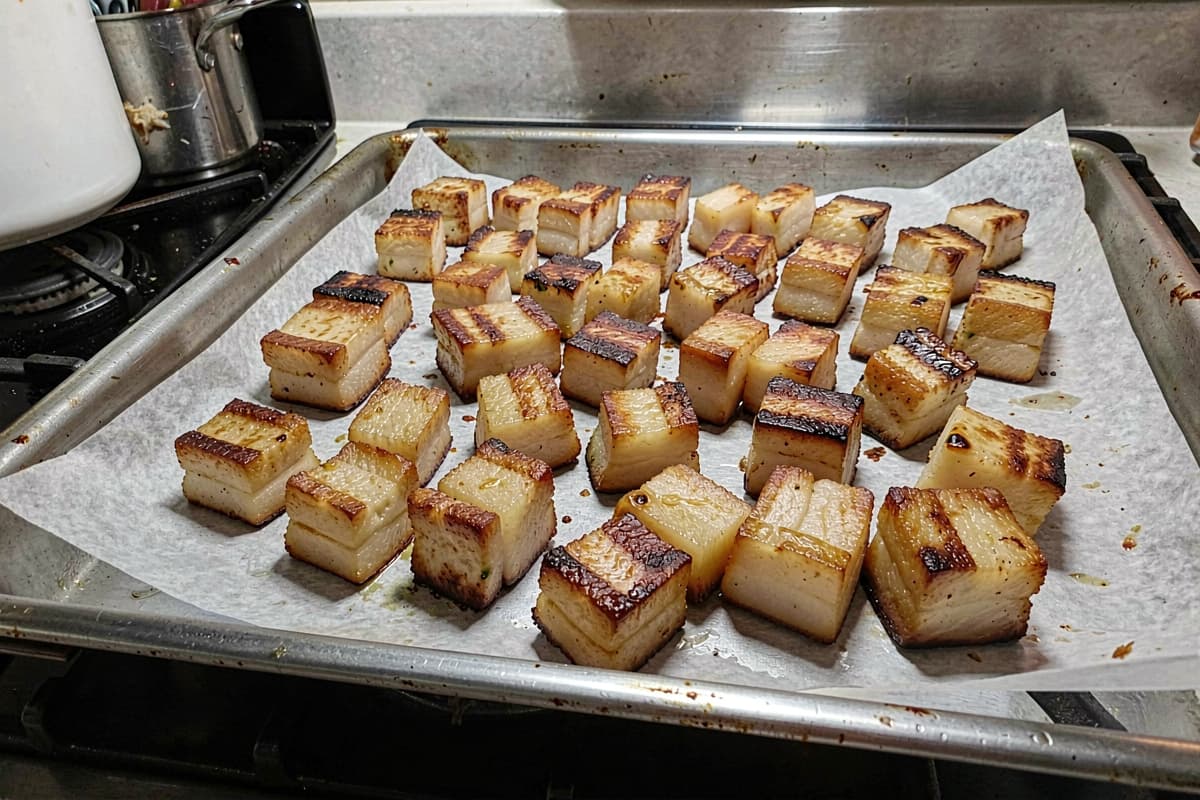
Crispy Pork Belly Bites
Crunchy outside, melt-in-your-mouth tender inside. Scored, salted, slow-roasted 90 min then crisped at 450°F. 22g protein, 46g fat per 6 oz cooked.
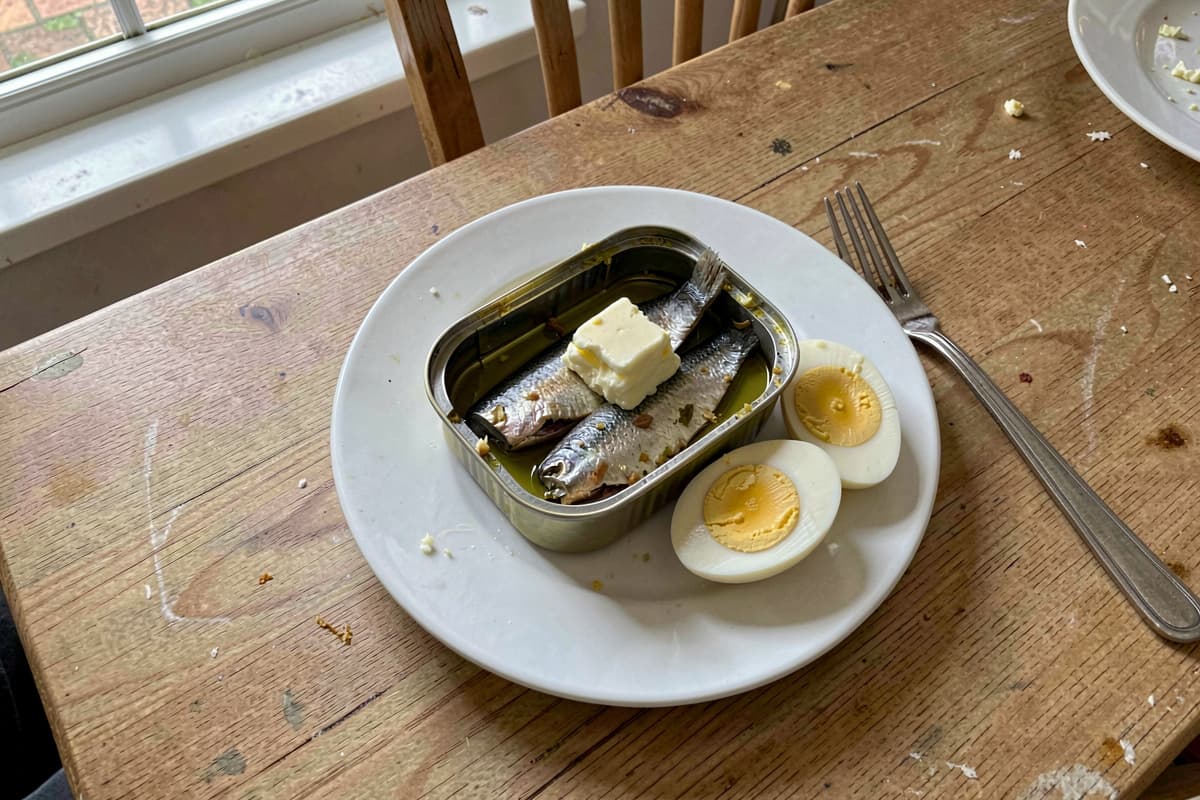
5-Minute Sardine Plate
A no-cook, nutrient-dense plate loaded with omega-3s. Perfect for a quick carnivore lunch or snack when you do not feel like cooking.
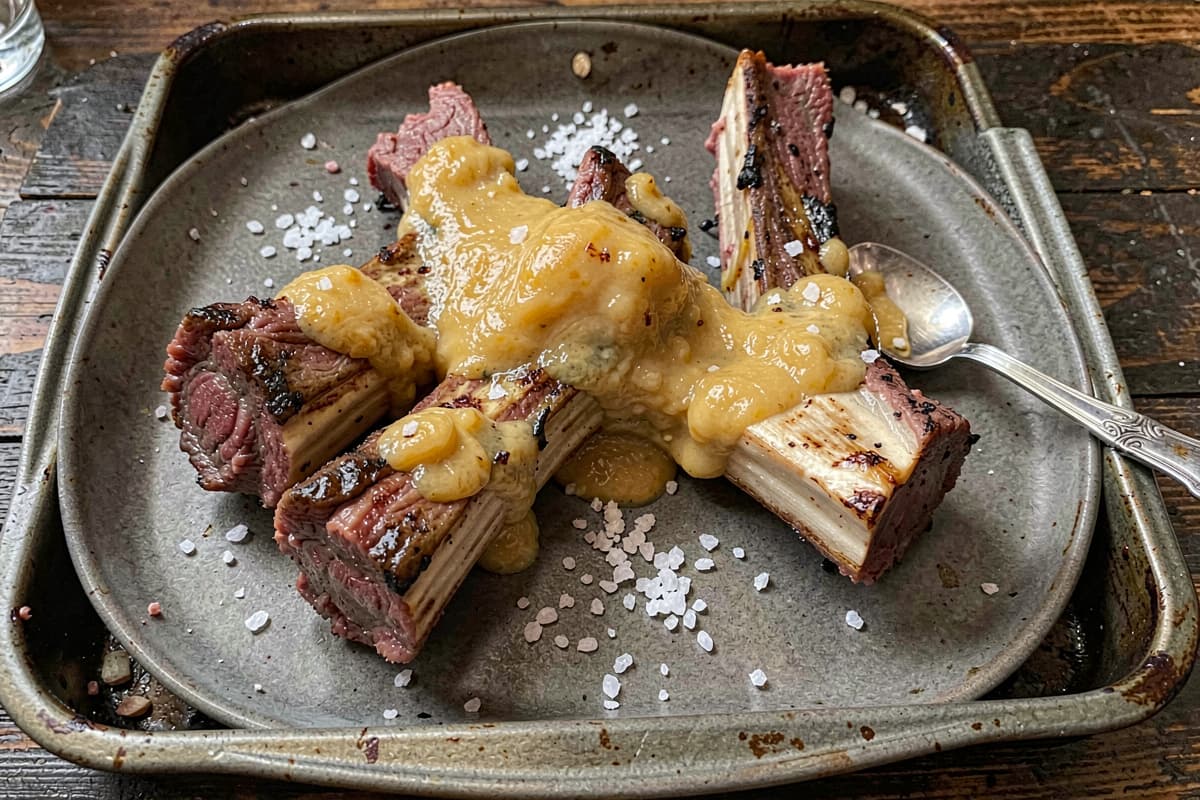
Roasted Bone Marrow (Salt + 20 Minutes)
Beef marrow bones split lengthwise, roasted at 450°F for 18-22 minutes. Salt only. The cleanest carnivore fat source — 850 calories per 100g of pure animal fat.
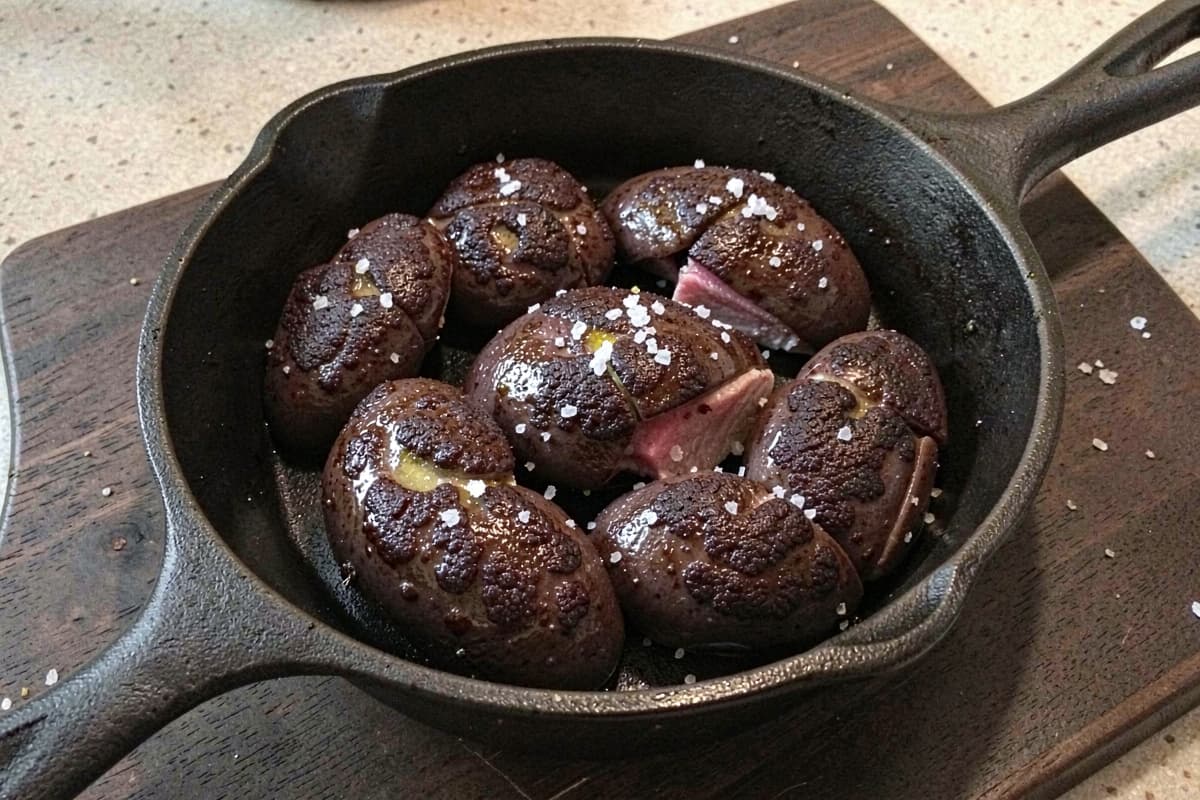
Pan-Seared Chicken Livers (4-Minute Method)
1 lb fresh chicken livers seared in butter for 2 minutes per side. Salt only — no flour, no shallots. The cheapest organ meat at $3 per pound.
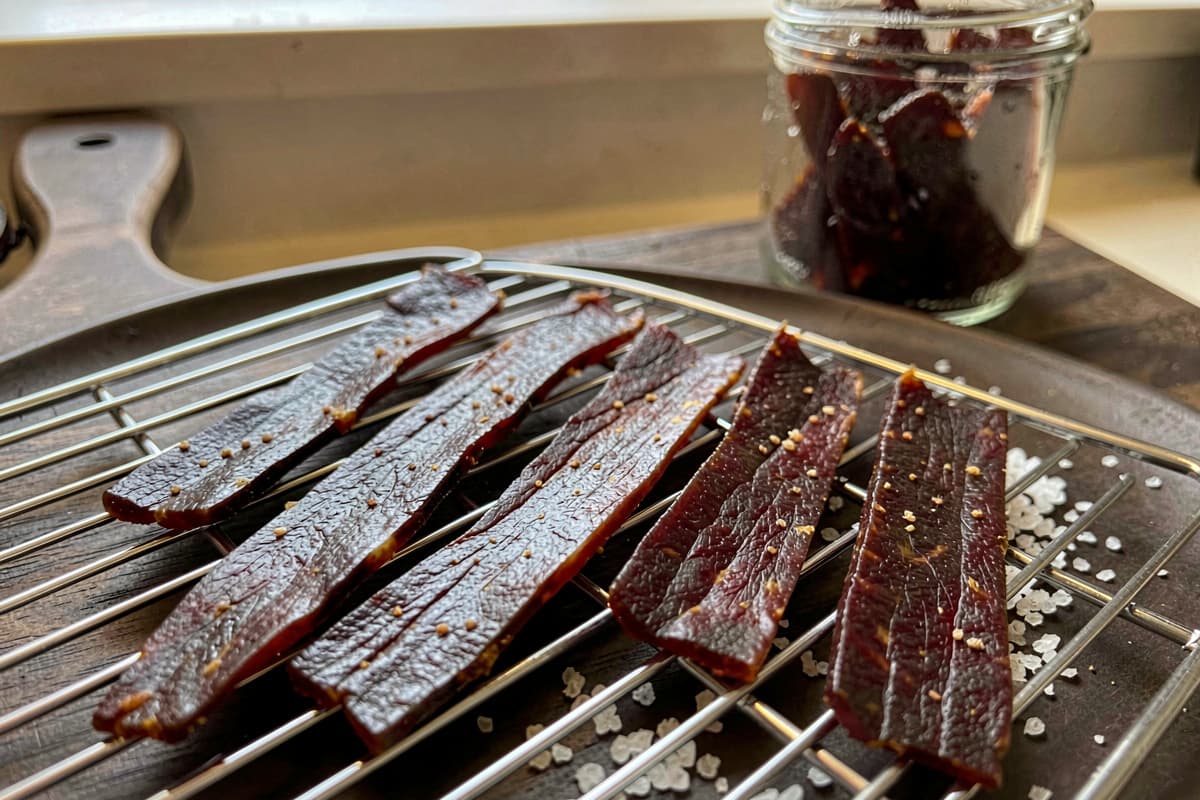
Homemade Beef Jerky (No Sugar, No Soy)
2 lb top round sliced thin, salted, dehydrated at 165°F for 4-5 hours. Strict carnivore — no soy sauce, no Worcestershire, no brown sugar. $3.50 per oz.
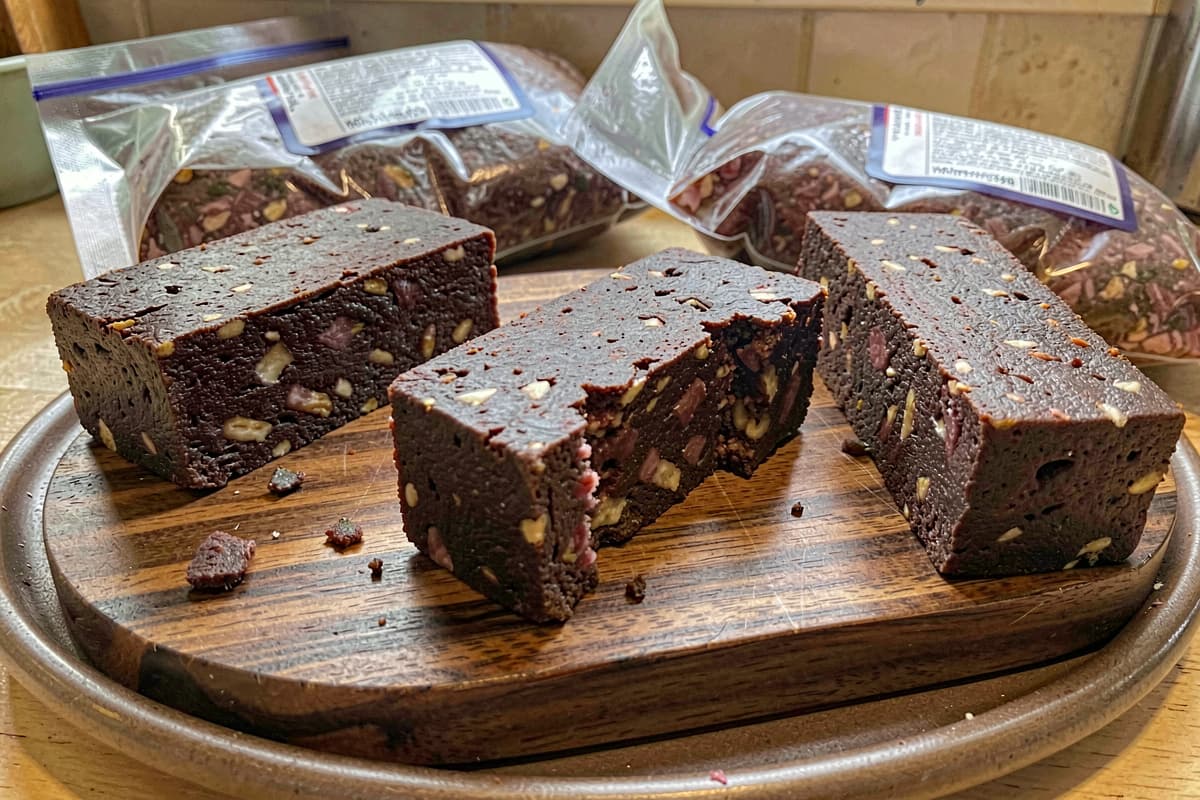
Pemmican (Carnivore, Dried Beef + Tallow)
Traditional Plains-Indian preserved food: dried beef ground fine, mixed 1:1 with rendered tallow. Lasts 6+ months unrefrigerated. Salt only.
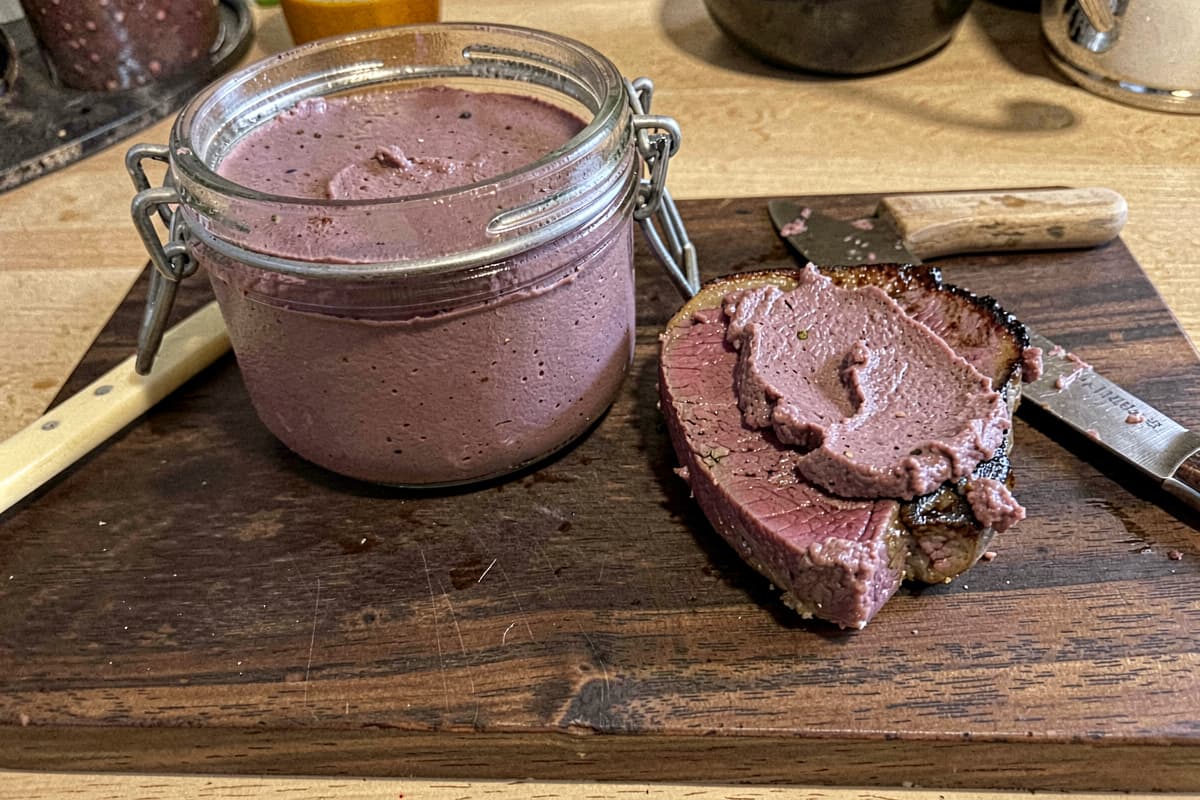
Beef Liver Pâté (Carnivore, 5 Ingredients)
1 lb beef liver, ¾ cup butter, salt — blended into rich pâté. No onions, no shallots, no brandy. 30-minute prep, keeps 5 days refrigerated.

Pork Crackling (Crispy Pork Skin)
1 lb pork skin scored, salted, slow-roasted at 300°F for 2 hours then crisped at 450°F. Salt only. The savory zero-carb chip alternative.
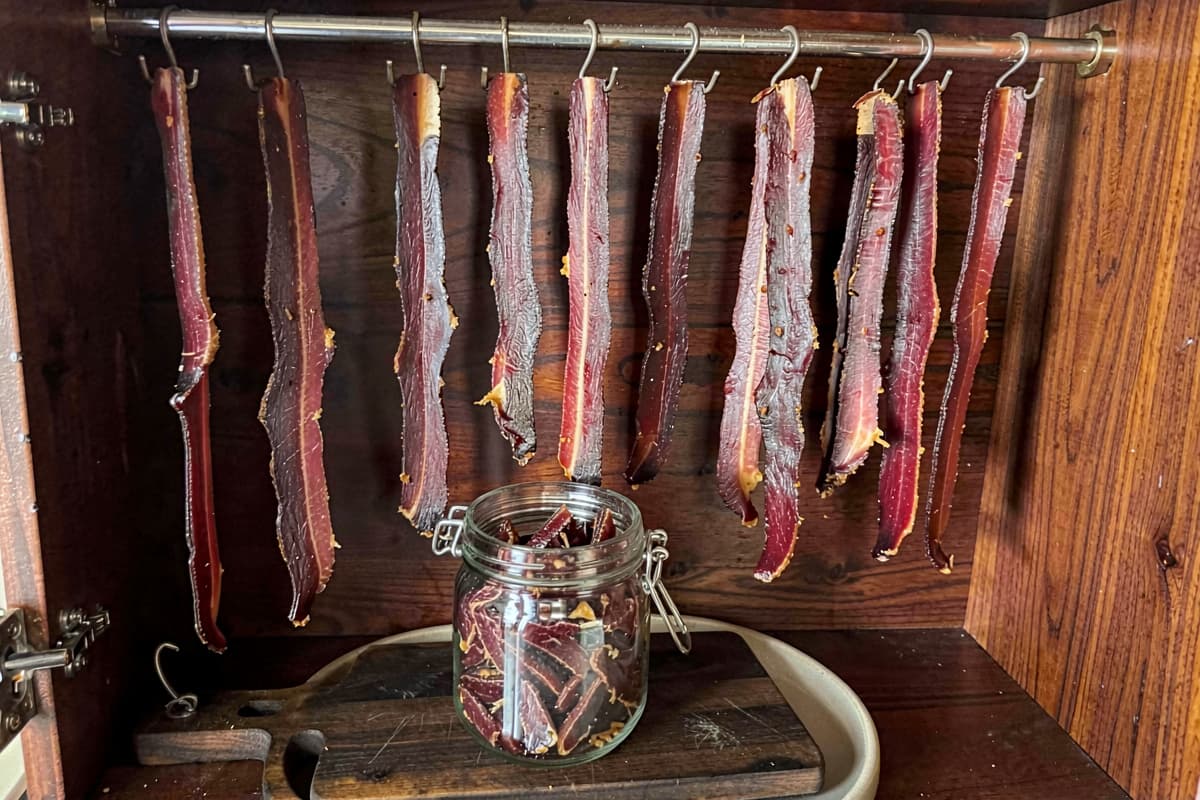
Homemade Biltong (Carnivore, No Vinegar)
South African air-dried beef. Top round salt-cured 24 hours, hung to air-dry 4-7 days. Salt only — no vinegar, no coriander. The strict-carnivore biltong.
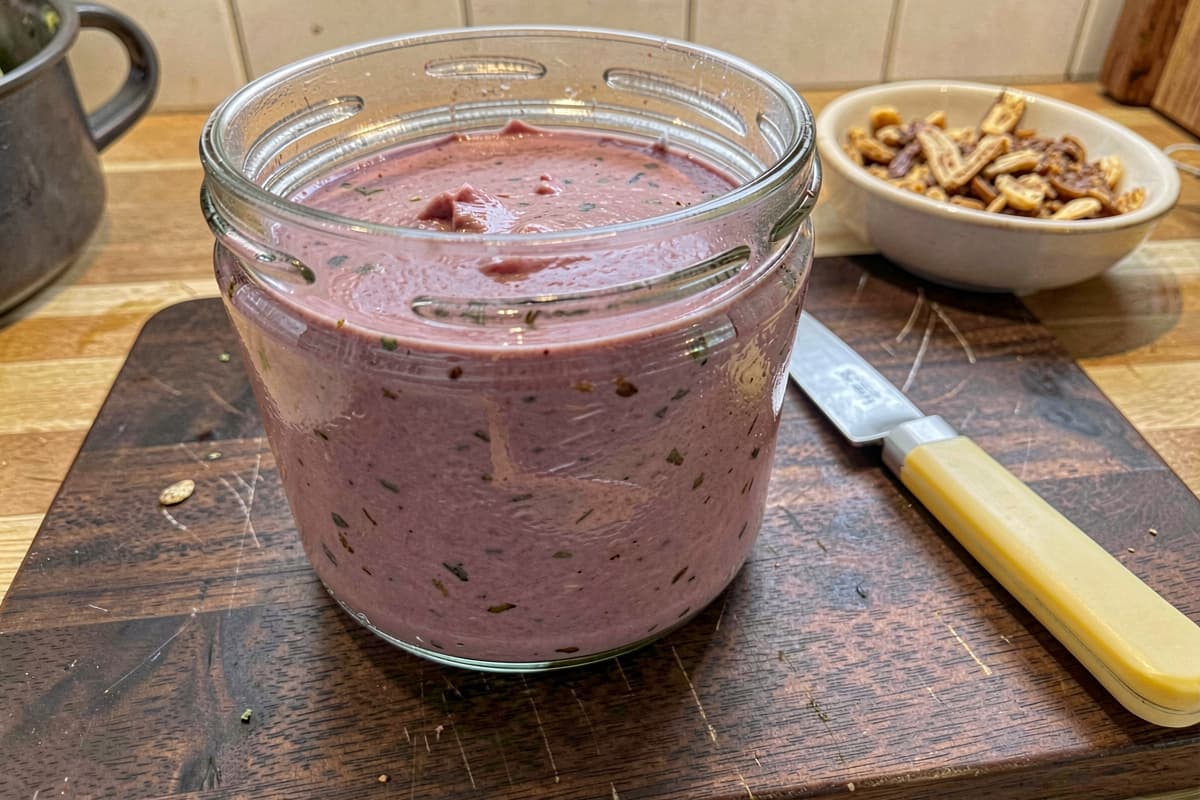
Homemade Liverwurst (German-Style)
1 lb beef liver + 1 lb pork fat blended into traditional German leberwurst. Salt only, no spices. Spreadable, refrigerator-stable for 1 week.
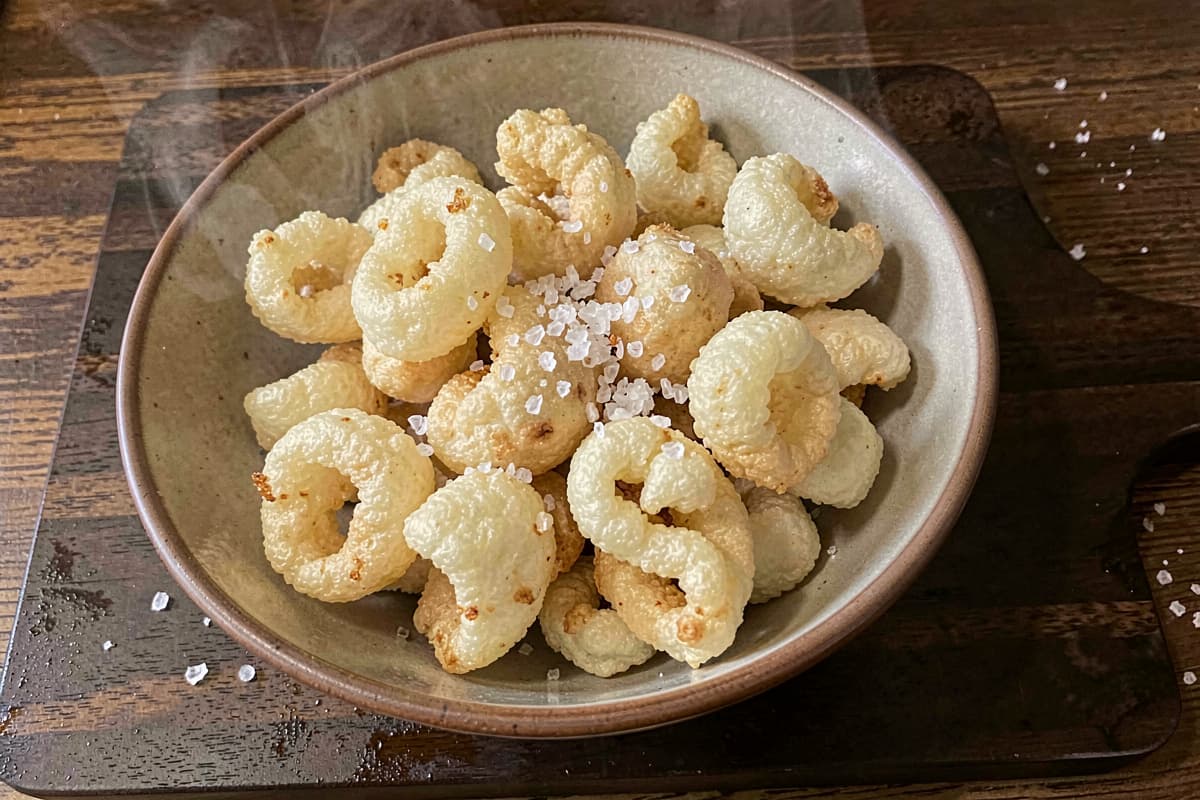
Homemade Pork Rinds (Twice-Fried)
Pork skin pre-dried then puffed in 425°F lard for 30 seconds. The bagged-snack texture, made at home. Salt only. 17g protein, 155 calories per oz.
How to build a carnivore snack
Build a carnivore snack from one of three categories:
No-prep canned protein. Sardines, mackerel, tuna, salmon, smoked oysters. Open the can, eat. Wild Planet, King Oscar, and similar brands stock plain options without seed oils. A standard 3.75 oz can is 200 to 280 calories and 25 to 35g protein.
Prep-ahead bites. Hard-boiled eggs (cook 6 at a time, fridge for the week), crispy pork belly cubes (6 oz batch lasts 3 days), beef liver bites (cook on Sunday, eats for 5 days). Grab and go.
Shelf-stable meat snacks. Beef jerky, biltong, meat sticks, pork rinds, salami slices. Buy clean-label brands without sugar or seed oils. These survive in a desk drawer for weeks.
A single carnivore snack should hit 15 to 25g protein and not exceed 300 calories. Two snacks per day at that size add 30 to 50g of protein and 400 to 600 calories — significant but not enough to skip a main meal.
Common Mistakes (and Fixes)
Buying meat snacks with hidden sugar
Read the ingredient list on jerky and meat sticks. Most major brands add 4 to 8g of sugar per ounce in the form of cane sugar, honey, or 'natural flavoring.' Look for products with 1g of sugar or less. Carnivore-friendly brands are clearly labeled (Chomps, People's Choice old-fashioned). When in doubt, make your own.
Eating cheese as the main snack
Cheese is dense and high-calorie — 110 calories per ounce — but its low protein-to-calorie ratio (7g protein per 110 cal) makes it a worse hunger killer than meat. Use cheese as accent, not foundation. A 4 oz can of sardines (35g protein) holds you over twice as long as 4 oz of cheddar.
Skipping salt on hard-boiled eggs
Plain hard-boiled eggs are bland. Most carnivore eaters underrate this — eggs need flake salt or a pinch of fine sea salt to taste good. Cracking the egg, dipping it in salt, and eating in 2 bites is the optimal protocol.
Related Food Comparisons
Frequently Asked Questions
Are pork rinds carnivore?
Yes. Pork rinds are pork skin fried in pork fat, which is fully animal-based. They contain 17g protein per ounce with effectively zero carbs. Read the label to make sure no seed oils or flavoring agents are added — many brands fry in vegetable oil instead of lard.
What about beef jerky?
Real beef jerky (just beef + salt) is fine. Most commercial jerky has 4 to 8g of added sugar per ounce, plus soy sauce, Worcestershire, or 'natural flavoring' which can include plant ingredients. Carnivore-friendly brands list 0 to 1g sugar. For a clean version, dehydrate sliced beef brisket with salt only.
Can I snack on cheese all day?
You can but it's not optimal. Cheese is calorie-dense (110 calories per ounce) and easy to overconsume. A typical 8 oz block is 880 calories — easy to finish in a day. If cheese is a daily snack, weigh it. 1 to 2 oz at a time is the right portion.
Are eggs OK as a snack?
Yes. Hard-boiled eggs are one of the cleanest carnivore snacks — 70 calories and 6g protein each. Cook a dozen on Sunday, refrigerate, eat 2 to 3 at a time. They keep 7 days in the shell.
How many carnivore snacks per day is too many?
Most carnivore eaters don't snack at all because the high-fat main meals are very satiating. If you're snacking more than twice a day, your main meals are probably too small. Increase your dinner protein by 10 to 15g and snacking will drop on its own.