Carnivore Meal Prep Recipes
Carnivore meal prep is the practice of cooking multiple servings of animal-based food in a single session — usually a Sunday afternoon — to cover 3 to 7 days of meals. The category is dominated by recipes that hold up well in the fridge: cooked ground beef, slow-cooker bone broth, baked egg cups, liver bites, and roasted whole muscle cuts. Carnivore food keeps better than plant-heavy meal prep because there are no salad greens to wilt or vegetables to oxidize. A typical prep session produces 8 to 12 servings in 60 to 90 minutes of active work, with most of the time spent waiting for ovens or slow cookers. The two meal-prep recipes here — slow-cooker bone broth and hidden beef liver bites — are the foundation pieces most carnivore meal-preppers build around.
Recipes in this category
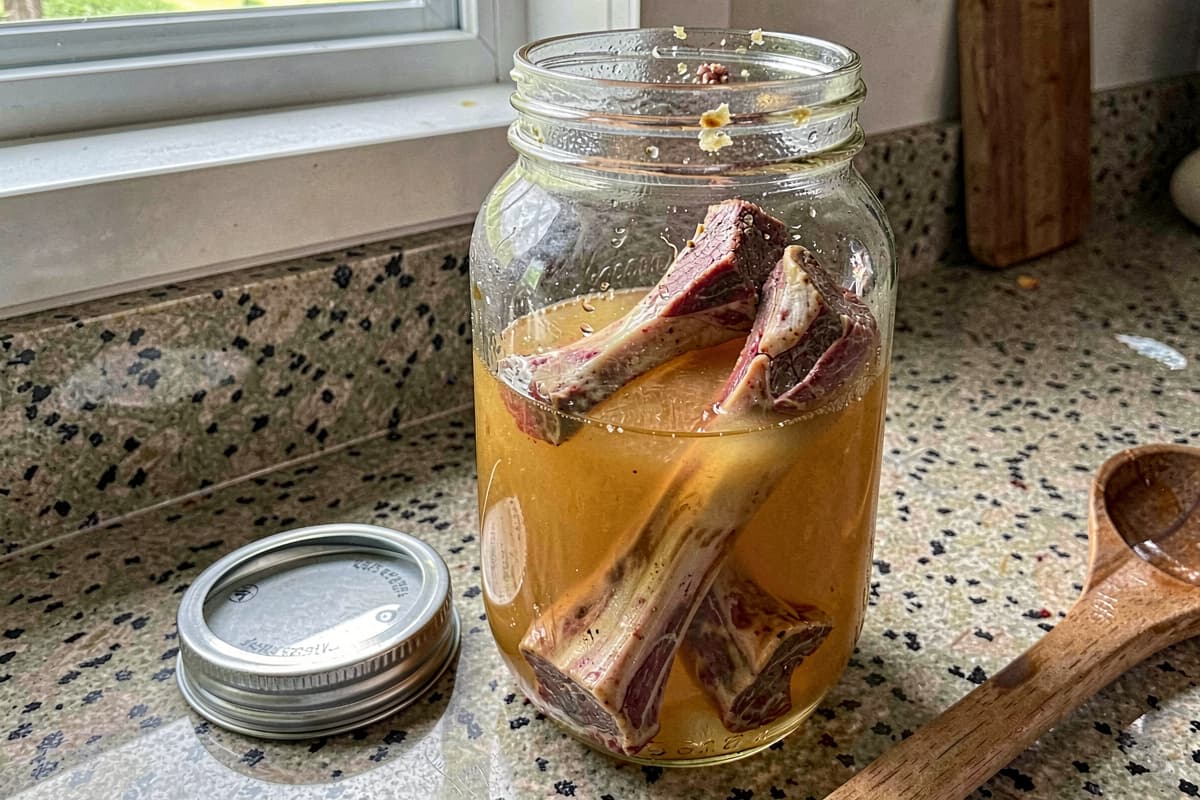
Slow-Cooker Bone Broth
Rich, gelatinous bone broth packed with collagen and minerals. 24-hour slow simmer. 10g protein and 40 calories per cup. Sets to soft gel when cold.
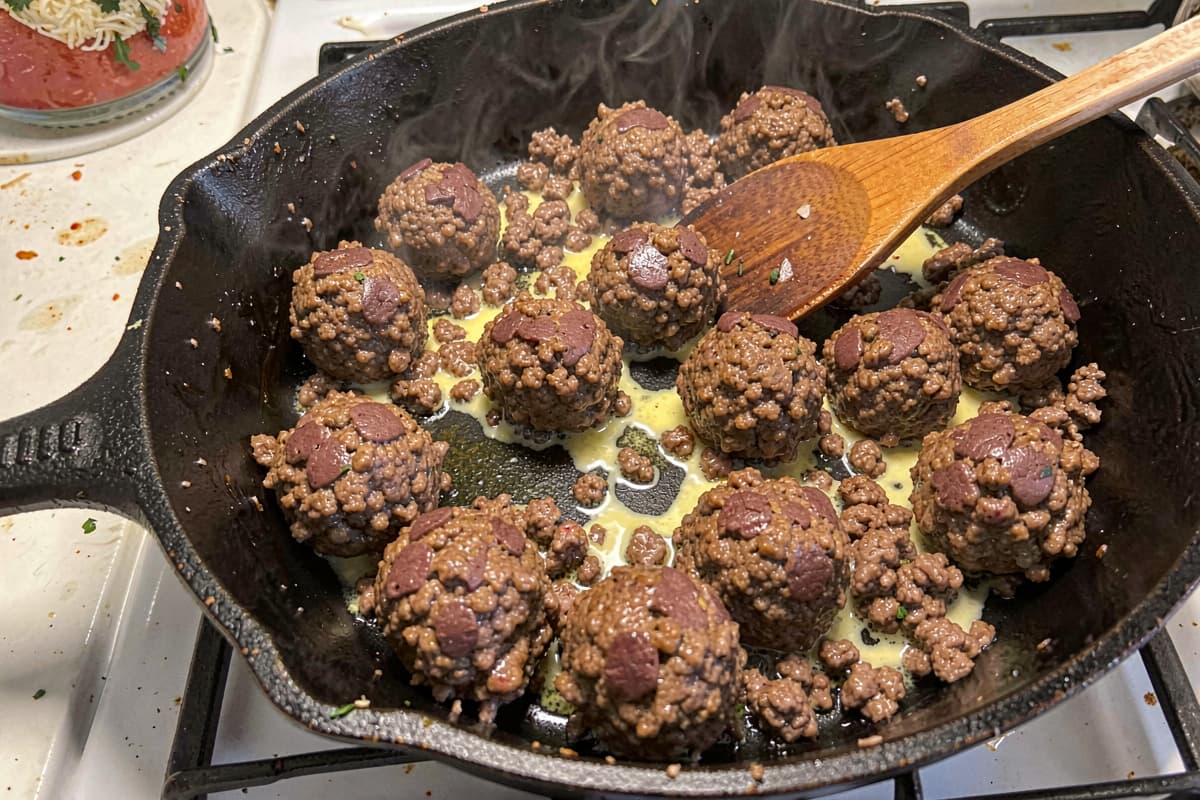
Hidden Beef Liver Bites
Sneak nature's multivitamin into your diet by mixing liver with ground beef. You will not even taste the liver, but your body will thank you.
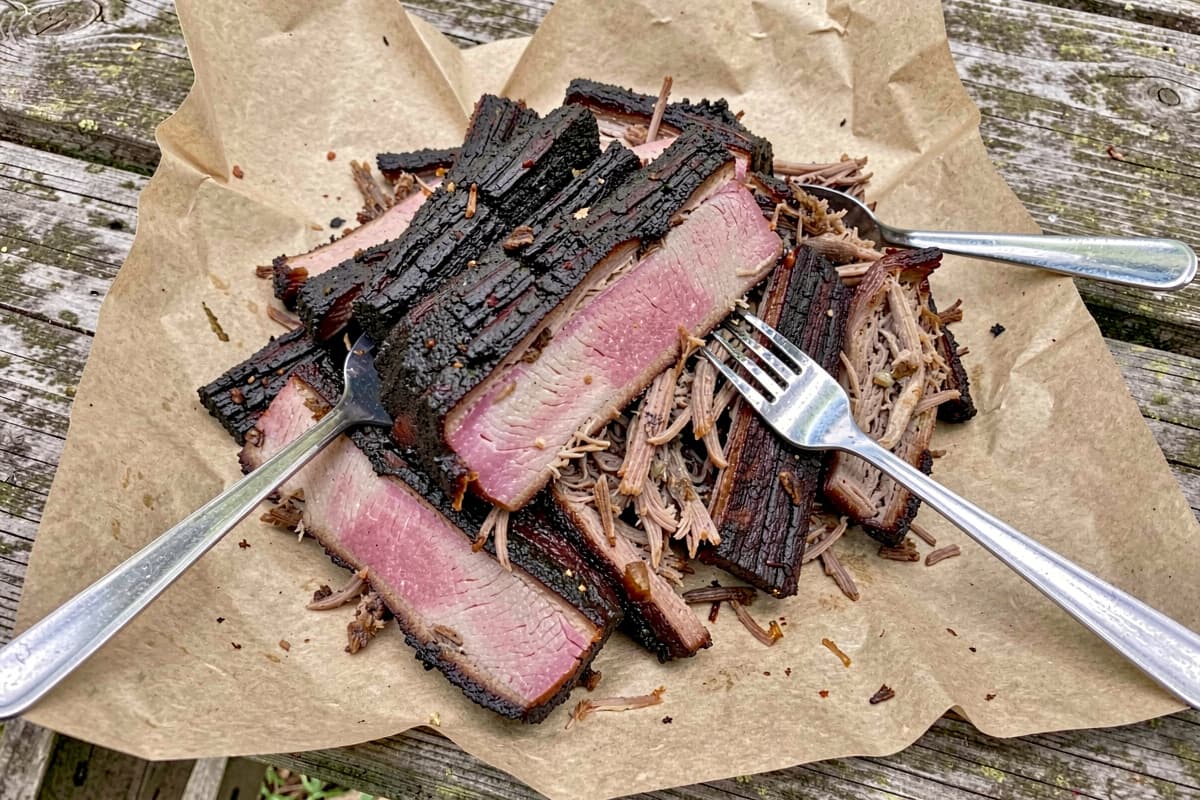
Smoked Pulled Pork (Carnivore)
Pork shoulder smoked low-and-slow for 12 hours, salt-only seasoning, no sauce. 8 servings of fall-apart tender pulled pork at $4-5 per serving.
How to Render Beef Tallow at Home
Render 1 lb of beef suet into 12-14 oz of clean cooking tallow in 6-8 hours. Free from butcher trimmings, shelf-stable for 6+ months. 400°F smoke point.
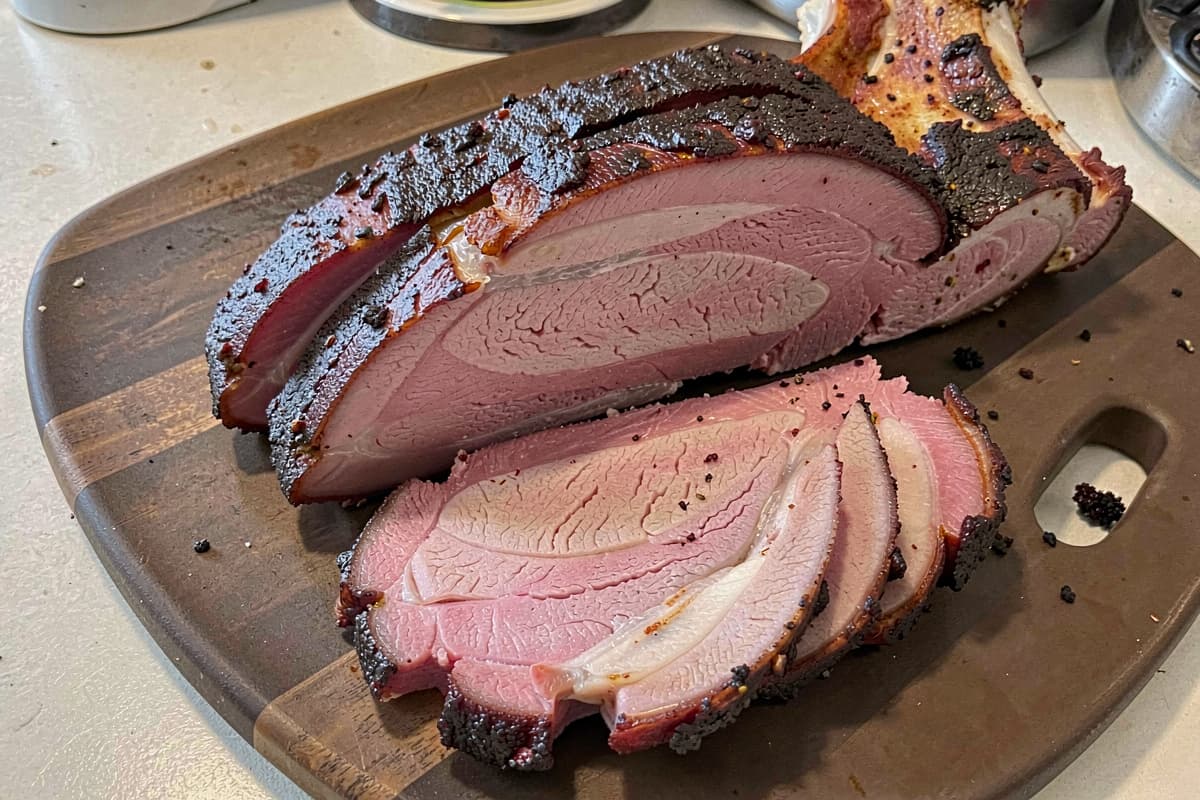
Smoked Pork Butt (Sliced, Not Pulled)
8-pound pork butt smoked at 225°F to 195°F internal, sliced thick like brisket instead of pulled. 10-hour cook, salt only. Different from pulled pork.
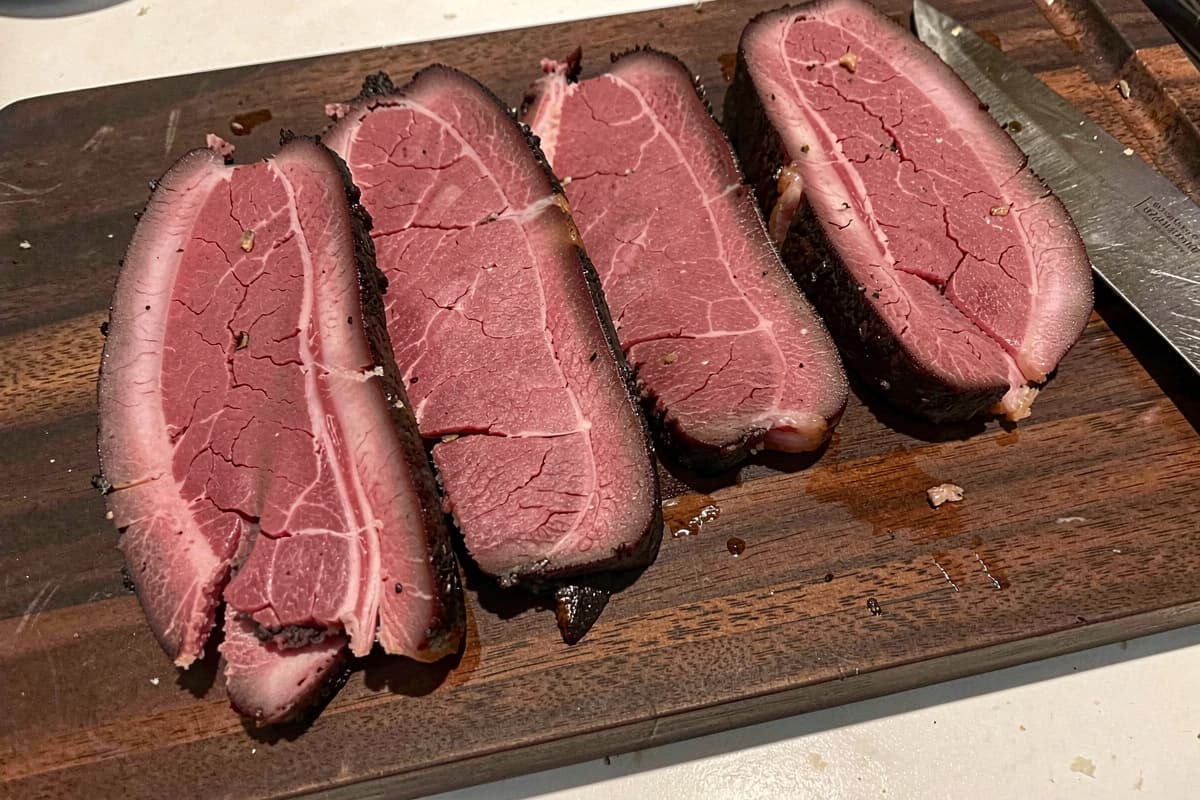
Smoked Corned Beef (Pastrami-Style)
Corned beef brisket soaked 4 hours to remove excess salt, then smoked at 225°F for 5-6 hours to 195°F. The carnivore pastrami — no peppercorn rub.
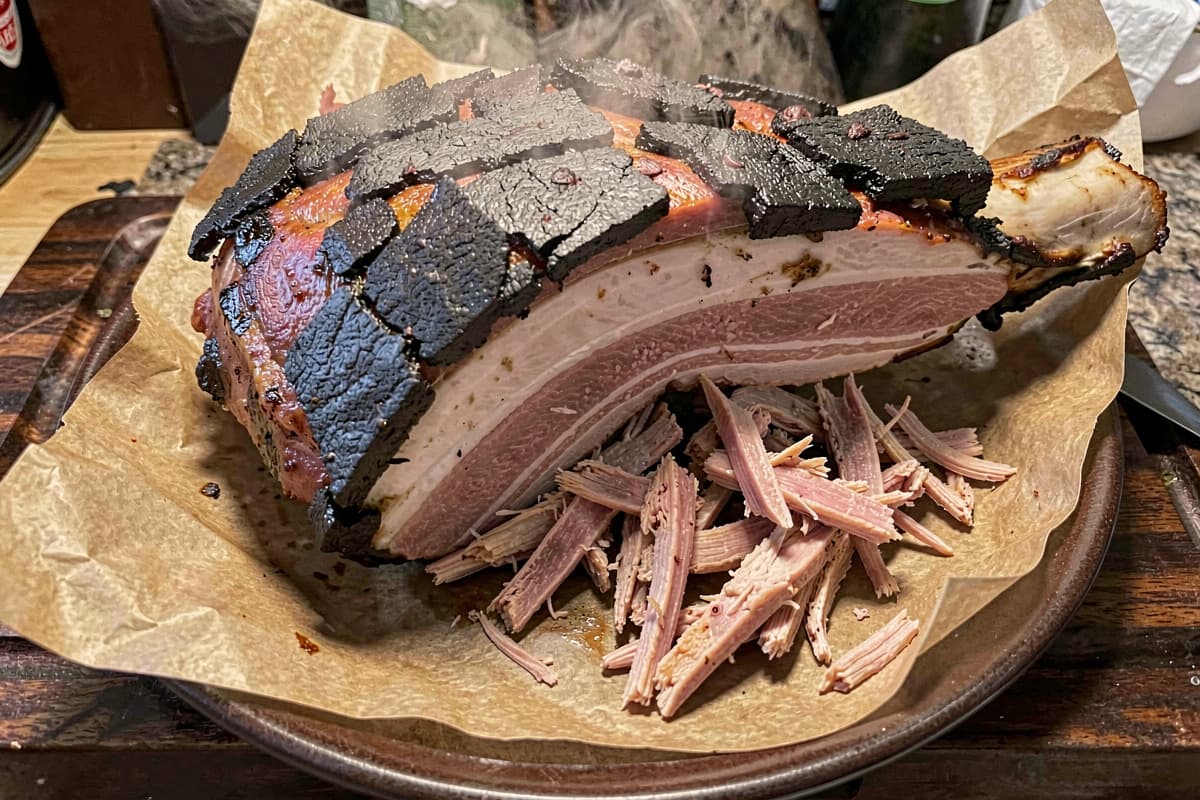
Smoked Pork Shoulder (Bark-Forward Method)
8-pound pork shoulder smoked at 225°F for 12 hours with bark-forward dry-brine technique. Salt only, no spritz. Cheapest carnivore protein per dollar.
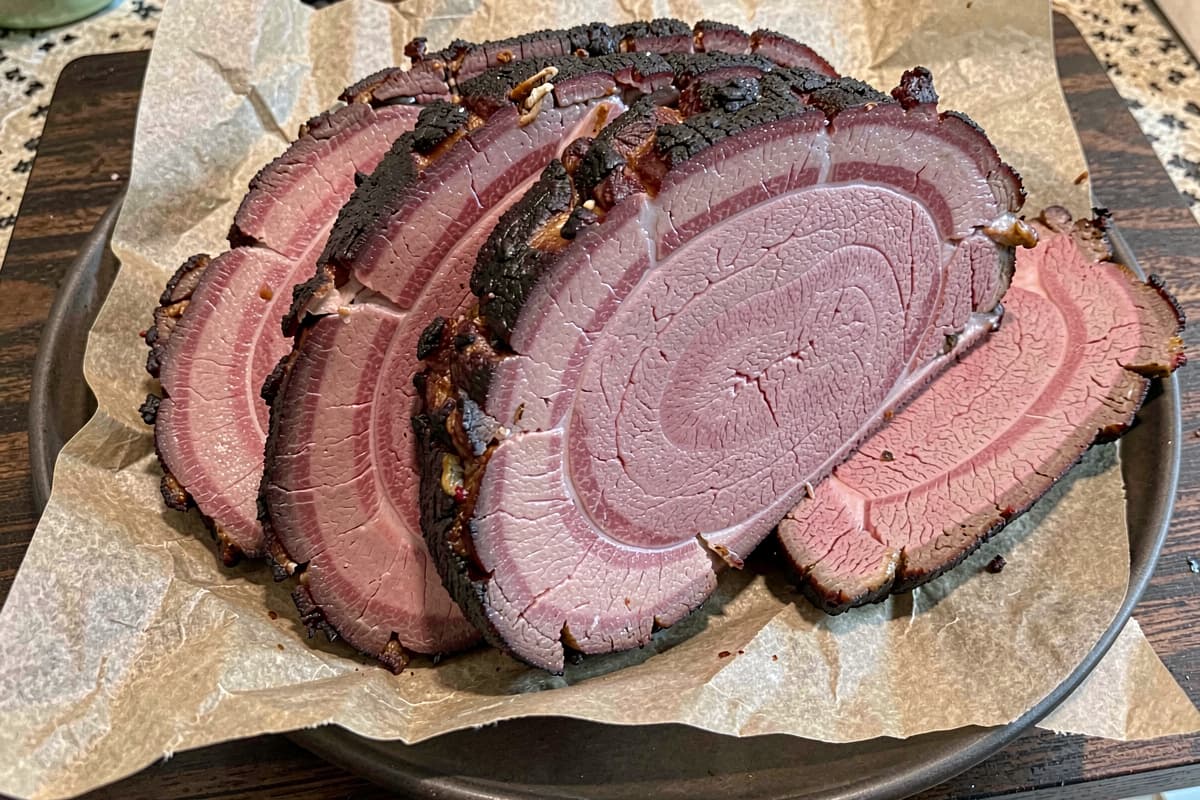
Smoked Beef Brisket (Carnivore, 12-14 Hours)
Whole 12-lb packer brisket smoked at 225°F for 14 hours to 203°F internal. Salt-only Texas-pepper omitted. Feeds 14 at $4 per serving.
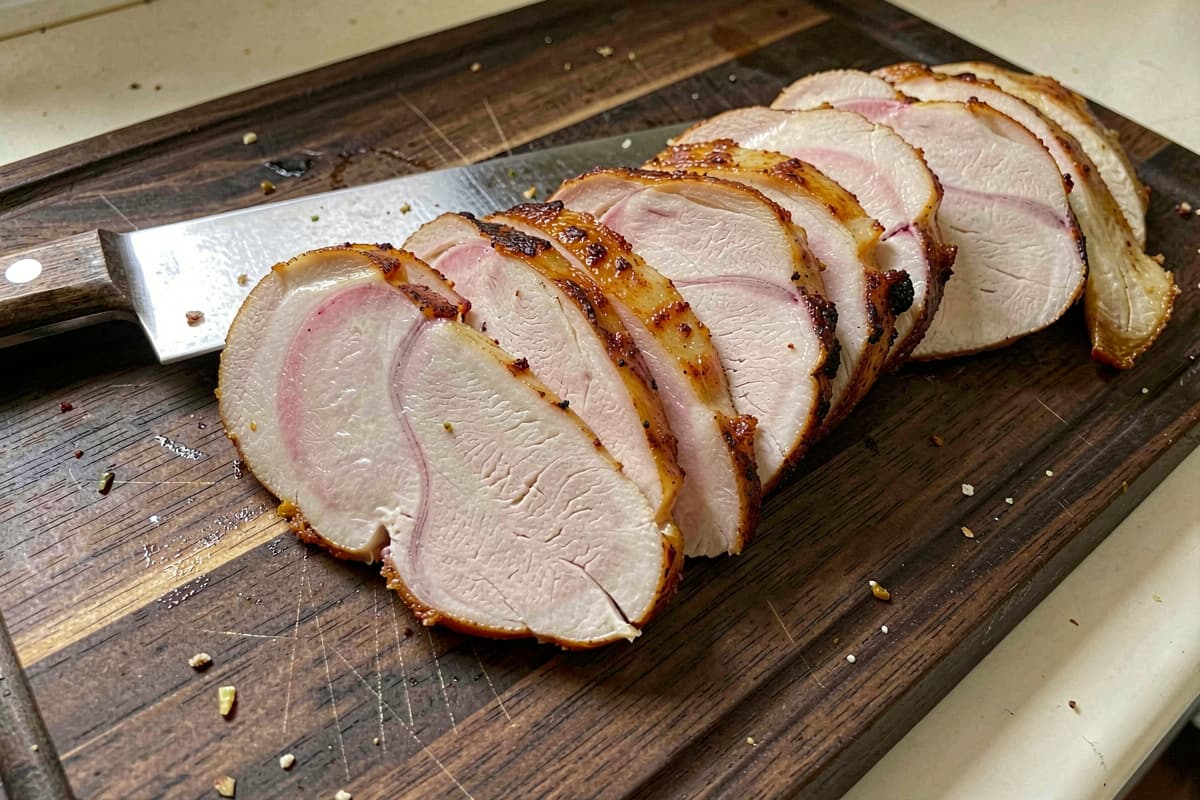
Smoked Boneless Turkey Breast
5-pound boneless skin-on turkey breast smoked at 225°F for 3 hours to 165°F. Lean and high-protein — 28g protein per 4 oz at 170 calories.
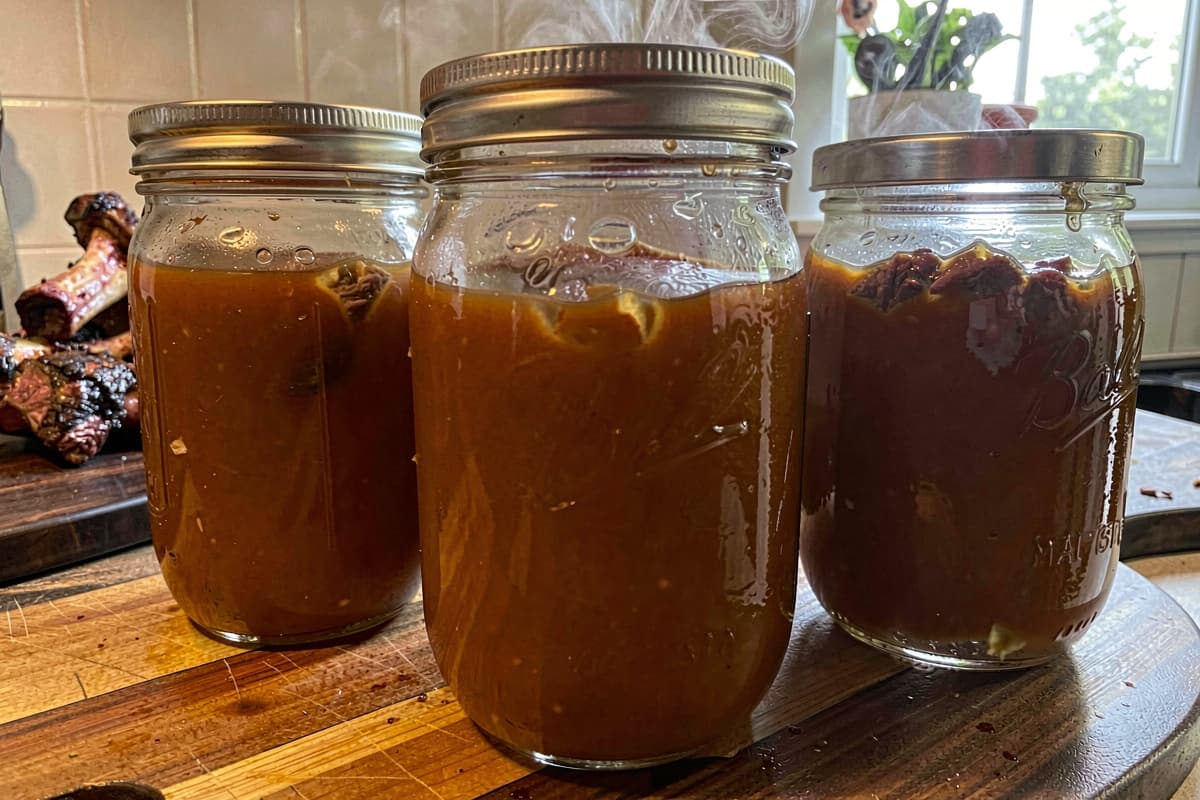
Beef Broth from Scratch (24-Hour Bone Broth)
Roast beef bones, simmer 24 hours with cold water and salt only. Yields 8 cups of gelatin-rich broth at $1 per cup. Clean carnivore alternative to canned.
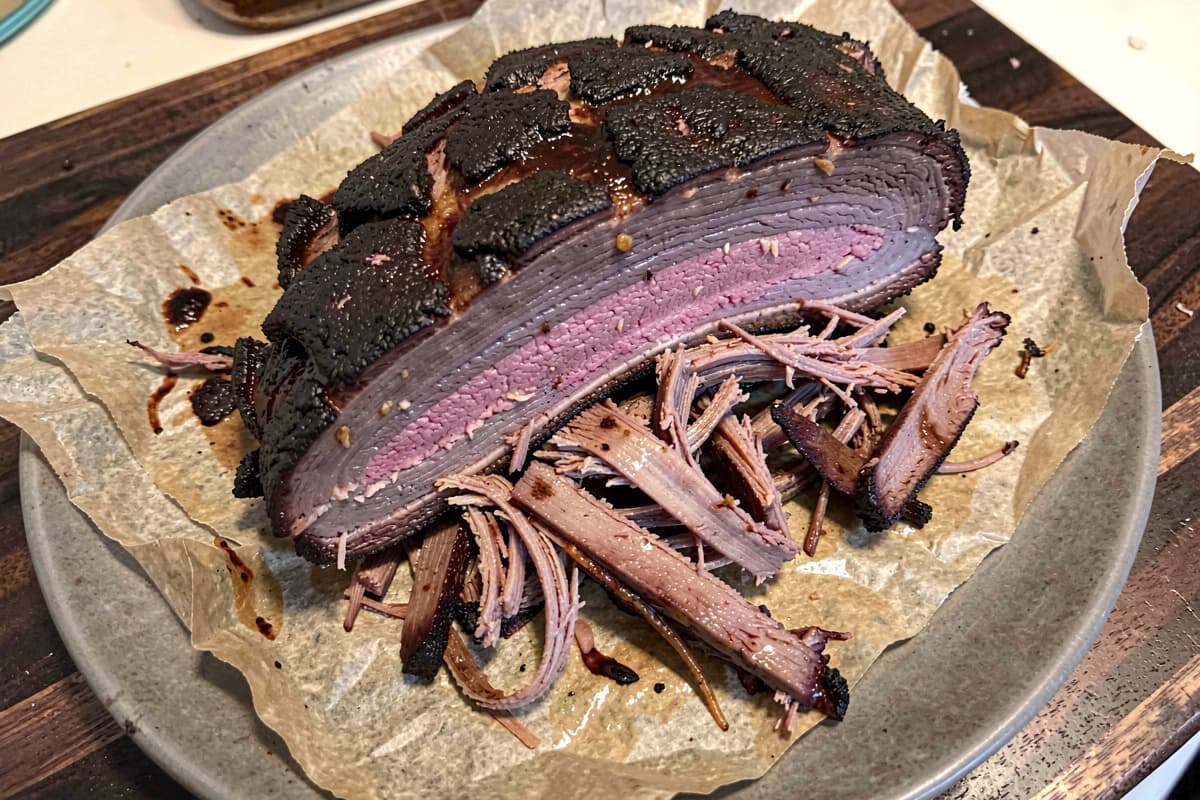
Smoked Beef Chuck Roast (The Poor Man's Brisket)
4 lb chuck roast smoked at 225°F for 8-10 hours to 203°F. Salt only. Half the price of brisket, similar fall-apart texture. Feeds 8.
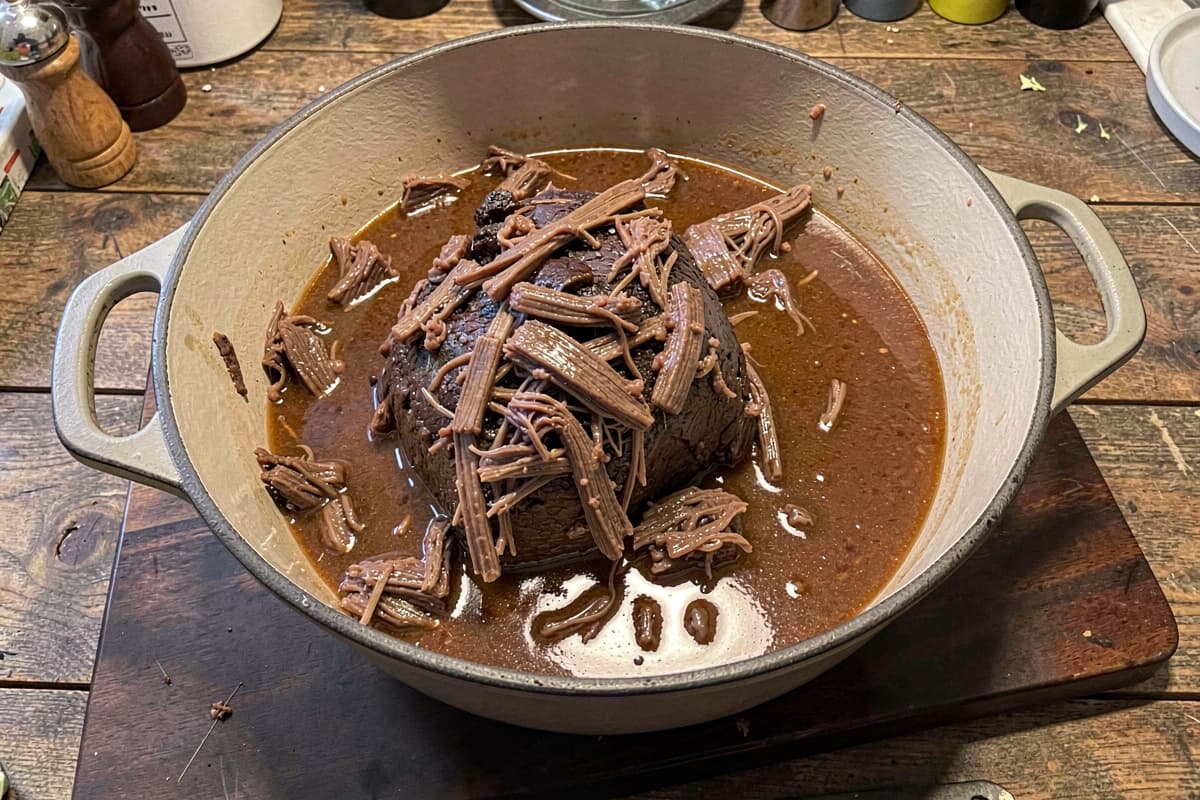
Slow Cooker Pot Roast (Carnivore)
3-lb chuck roast slow-cooked in beef broth on LOW for 8 hours. Salt only — no veggies, no wine. Set in the morning, eat at dinner.
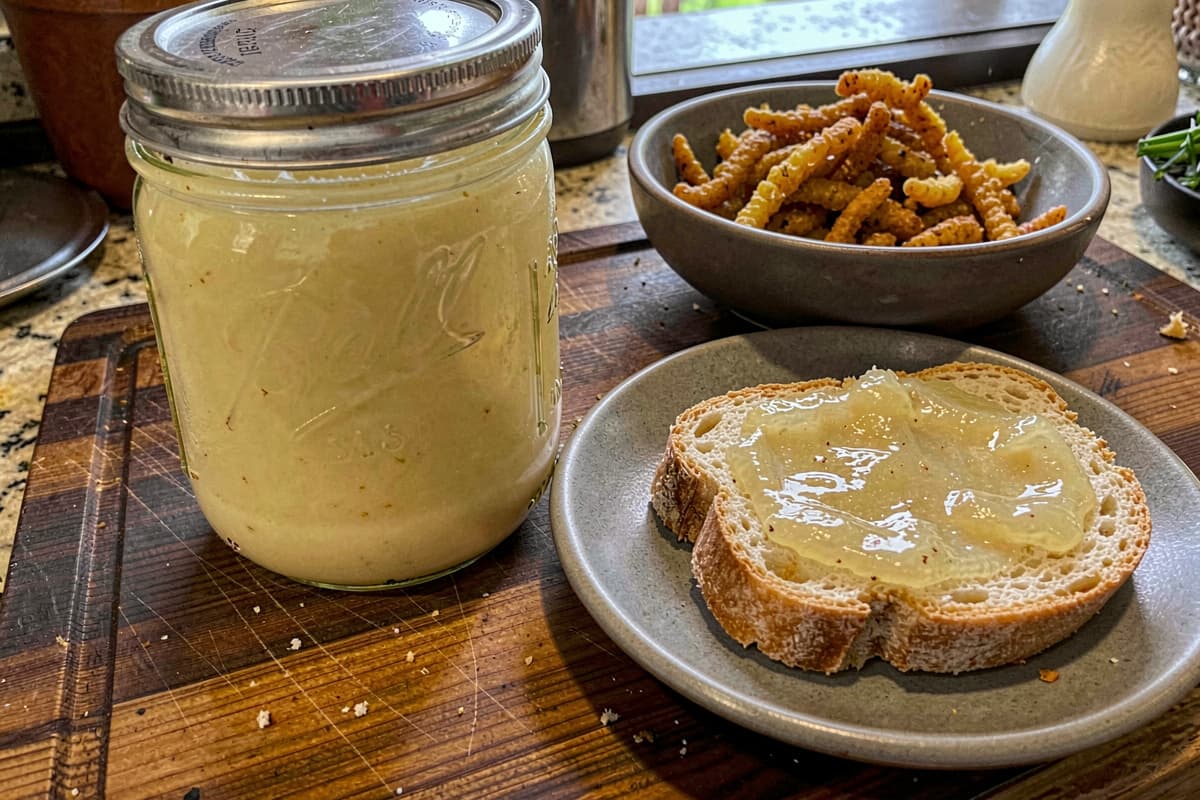
Schmaltz (Rendered Chicken Fat)
Render 1 lb chicken skin and fat into 12 oz of schmaltz over 90 minutes. Cooking fat with deep poultry flavor — the Jewish-deli classic, carnivore-aligned.
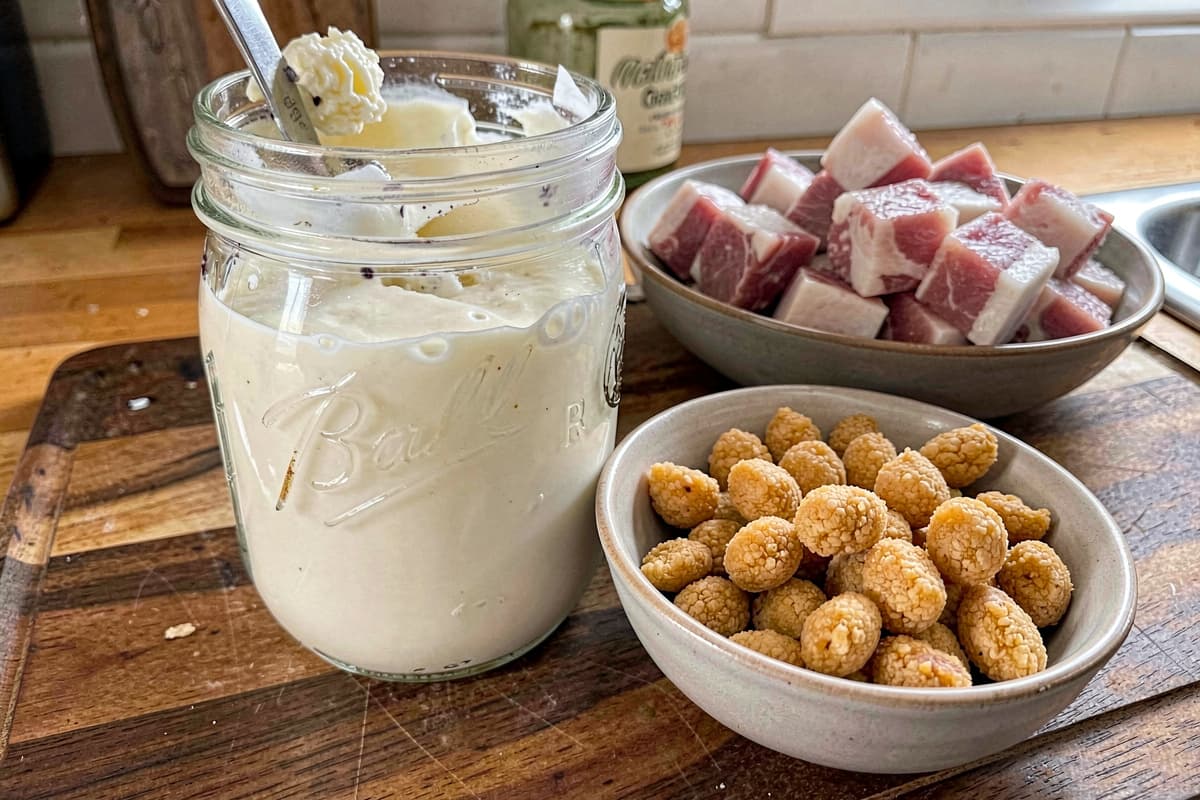
How to Render Lard from Pork Fat
1 lb pork leaf fat slow-rendered for 4 hours into 14 oz of clean white lard. Stores 6+ months refrigerated. Smoke point 374°F. 115 calories per tbsp.
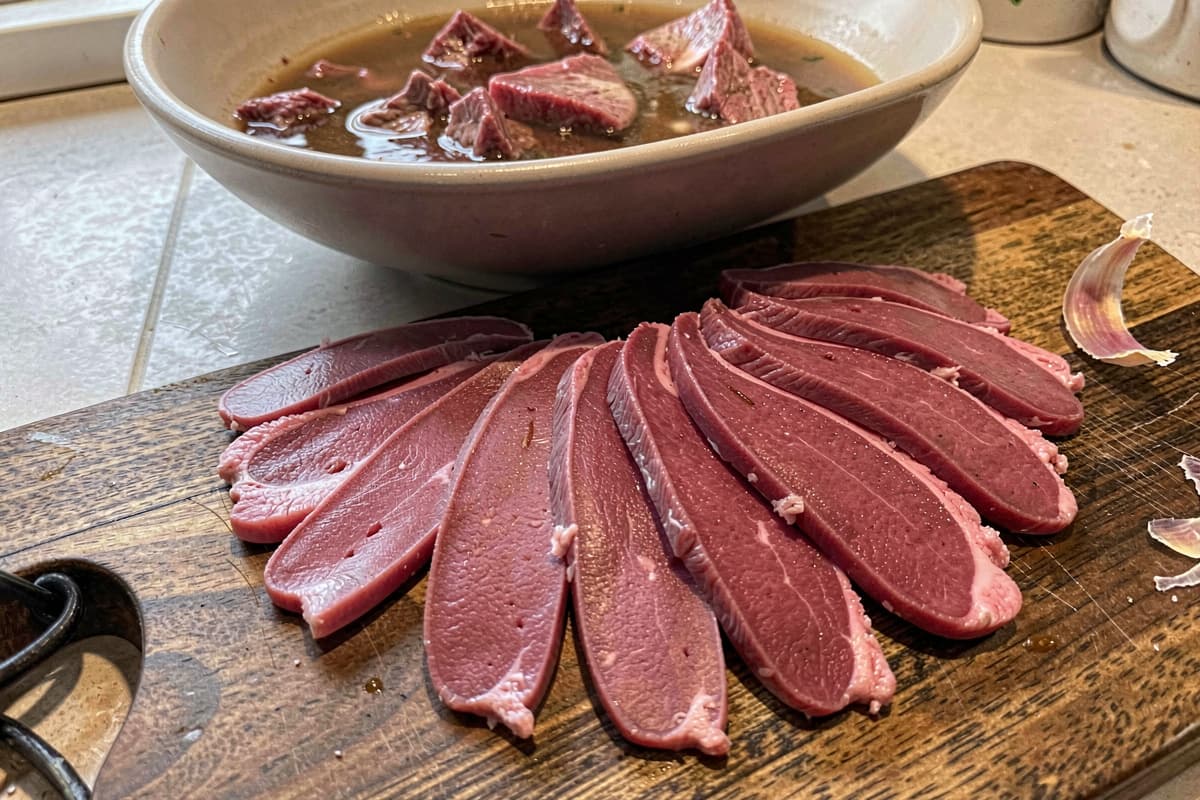
Slow-Cooked Beef Tongue (Lengua)
Whole beef tongue simmered in salted water for 3-4 hours until tender, then peeled and sliced. Salt only — no bay, no peppercorn. The Mexican-Texan classic.
How to plan a carnivore meal prep batch
A carnivore meal prep batch is built around 3 components: a base protein, a portable snack, and a liquid.
Base protein (covers dinners and lunches). Pick one: 3 lb of ground beef browned in a pan with salt, 2 lb of pork shoulder slow-cooked for 8 hours, or 4 lb of beef short ribs braised in their own fat for 5 hours. Each yields 8 to 10 servings of 4 to 6 oz portions.
Portable snack (covers between-meal hunger). Egg cups (12 cups, 5 days) or beef liver bites (16 bites, 4 days) are the standard picks. Hard-boiled eggs work too but lose appeal after day 3.
Liquid (covers electrolytes, sipping, and cooking). Slow-cooker bone broth produces 10 cups per batch and stores for 5 days in the fridge. Drink 1 to 2 cups daily, save the rest for cooking.
Start the bone broth Saturday night (24-hour cook). Sunday afternoon, cook the base protein and the snack while the broth finishes. Total active time: 90 minutes. You're done for the week.
Common Mistakes (and Fixes)
Storing cooked meat in the fridge longer than 4 days
Most cooked beef, pork, and chicken keep 3 to 4 days in the fridge before texture and flavor decline. After day 4, freeze portions instead. Reheating from frozen takes 90 seconds in a hot skillet — not slower than reheating from the fridge — so freezing isn't a hassle.
Reheating in the microwave
Microwaved meat goes rubbery, especially eggs and ground beef. Reheat in a hot skillet with a small pat of butter for 90 seconds per side. The texture comes out close to fresh-cooked. Microwaves are fine for bone broth (stir mid-cycle) and liquid-soaked items but not for solid muscle meat.
Skipping the salt step before cooking
Salt doesn't penetrate meat that's already cooked the same way it does raw meat. Salt before cooking, not at the table. Even at meal prep scale (1 lb of ground beef), use 1 tsp coarse salt before cooking — under-salting is the most common reason a meal-prep batch tastes worse than a fresh-made one.
Related Food Comparisons
Frequently Asked Questions
How long does cooked carnivore food keep?
3 to 4 days in the fridge for cooked muscle meat (beef, pork, chicken). 5 days for bone broth. 5 to 7 days for egg-based prep. Frozen, all of these keep 1 to 3 months without quality loss. Vacuum-sealing extends fridge life by 2 to 3 days.
Can I freeze cooked steak?
Yes, but quality drops more than for ground meat. Sliced cooked steak frozen for under 3 weeks is fine — reheat quickly in a hot skillet. After 3 weeks the texture goes mealy. Frozen ground beef holds up much better; vacuum-sealed it lasts 6 months without noticeable change.
What's the easiest meal prep for a beginner?
3 lb of 80/20 ground beef browned with salt, divided into six 8 oz portions. Total cook time: 25 minutes. Each portion is dinner — eat plain, in a bowl, or topped with a fried egg. This single dish covers 6 dinners and only requires a skillet.
Do I need a vacuum sealer?
Helpful but not required. Mason jars work for liquids (broth) and small dry items (jerky). Reusable silicone bags work for ground beef, cooked steak, and liver bites. Vacuum sealers extend fridge life and cut freezer burn but most home meal preppers manage fine without one.
How much does a week of carnivore meal prep cost?
Roughly $80 to $150 per person depending on cuts. The cheapest version (ground beef, eggs, sardines) runs $70. Adding ribeye steaks pushes to $200+. Bone broth from saved bones costs near nothing. Shopping at a butcher or warehouse club typically saves 25%.