How to Render Beef Tallow at Home

By Elena Petrov, PhD · Food Scientist
Render 1 lb of beef suet into 12-14 oz of clean cooking tallow in 6-8 hours. Free from butcher trimmings, shelf-stable for 6+ months. 400°F smoke point.
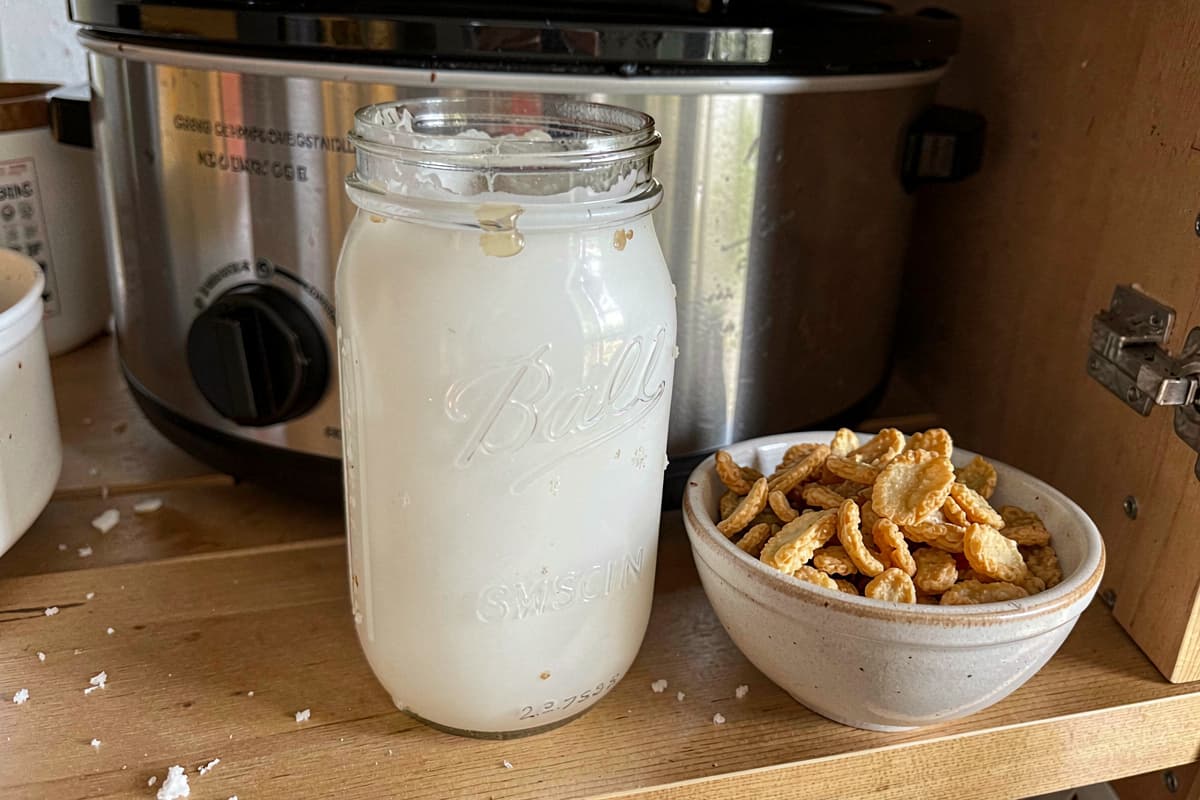
Rendering beef tallow at home turns 1 pound of beef suet (the hard fat around the kidneys) into 12 to 14 ounces of pure cooking fat over 6 to 8 hours of low slow heat. Tallow is 100% fat at roughly 900 calories per 100g, has a smoke point of 400°F, and stores at room temperature for 1 month or refrigerated for 6 months. The recipe below uses a slow cooker on low; the alternative is a 250°F oven for the same duration. Suet is often free from butchers — most discard it, so ask. The yield is 75 to 85% by weight (some loss from connective tissue and water). Strain twice through cheesecloth for clean tallow with no specks. Use 1 to 2 tablespoons per cooking session. Beef suet typically runs $0 to $2 per pound from butchers (most discard it); rendered tallow at retail runs $8 to $14 per pound. Rendering at home pays for the slow cooker in a single batch if you cook with tallow daily.
Ingredients
| Ingredient | Protein | Fat | Calories |
|---|---|---|---|
| 1 tbsp rendered beef tallow (per serving) | 0g | 14g | 120 |
| Per serving | 0g | 14g | 120 |
Macros per serving (after cooking and any fat draining). Source: USDA FoodData Central.
Instructions
- 1
Cut the suet into 1-inch cubes (or pulse in a food processor for faster rendering). Smaller pieces render faster.
- 2
Place in a slow cooker on LOW. Don't add water or oil — the fat renders itself.
- 3
Cook 6-8 hours, stirring once an hour for the first 3 hours. Liquid fat will accumulate; solid bits (cracklings) sink to the bottom.
- 4
When most pieces are golden-brown and floating in clear liquid fat, remove from heat.
- 5
Line a fine-mesh strainer with 2 layers of cheesecloth. Set it over a bowl. Pour the rendered tallow through to filter out solids.
- 6
For ultra-clean tallow, repeat the strain through fresh cheesecloth a second time.
- 7
Pour into clean glass mason jars while still warm. Let cool uncovered on the counter (it solidifies to opaque white). Cap and store.
- 8
Save the strained-out cracklings — they're crispy, salty, and edible. Sprinkle salt and eat as a snack.
Nutrition per Serving
Frequently Asked Questions
What's the difference between suet, tallow, and lard?
Suet is the raw, hard fat from around the kidneys of beef or lamb. Tallow is rendered (melted and clarified) suet — the liquid form that solidifies clean. Lard is the rendered fat from pork. All three are pure fat, similar in cooking properties. Tallow is the most heat-stable option for high-heat cooking (400°F smoke point).
Can I render tallow in the oven instead of a slow cooker?
Yes. Use a 250°F oven for 6-8 hours. Spread the suet in a Dutch oven or other heavy pot. Stir once an hour. The slow cooker is more set-and-forget; the oven gives you faster initial rendering. Both produce identical tallow.
How long does homemade tallow keep?
1 month at room temperature in a sealed jar (fat is naturally shelf-stable due to low water content). 6 months refrigerated. 1+ year frozen. Quality drops slightly over time but doesn't go rancid quickly because beef tallow is mostly saturated fat, which is far more stable than seed oils.
Track This Meal in Carnivore Max
Log this recipe, track your macros, and stay on top of your carnivore diet.
Download Free on iOS →You Might Also Like
Compare beef tallow and ghee across nutrition, smoke point, flavor, and cost. Find out which cooking fat is best for the carnivore diet.
RecipeCrunchy outside, melt-in-your-mouth tender inside. Scored, salted, slow-roasted 90 min then crisped at 450°F. 22g protein, 46g fat per 6 oz cooked.
RecipeA perfectly seared ribeye basted in golden butter — the king of carnivore dinners. 48g protein and 42g fat per 10 oz cooked. Pull at 130°F medium-rare.