Veal vs Beef: Which Is Better for Carnivore Dieters?

By Antonio Russo · Italian Heritage Chef · Published April 2026
Compare veal and beef across nutrition, taste, tenderness, cost, and suitability for the carnivore diet.
| Per 100g cooked | Veal (loin) | Beef (sirloin) |
|---|---|---|
| Protein | 24g | 27g |
| Fat | 6g | 8g |
| Price/lb (avg) | $14.99 | $10.99 |
Verdict: Beef wins for daily carnivore eating — more iron, more fat, lower cost, and wider availability. Veal is a nice treat for variety but should not replace beef as your primary protein source.
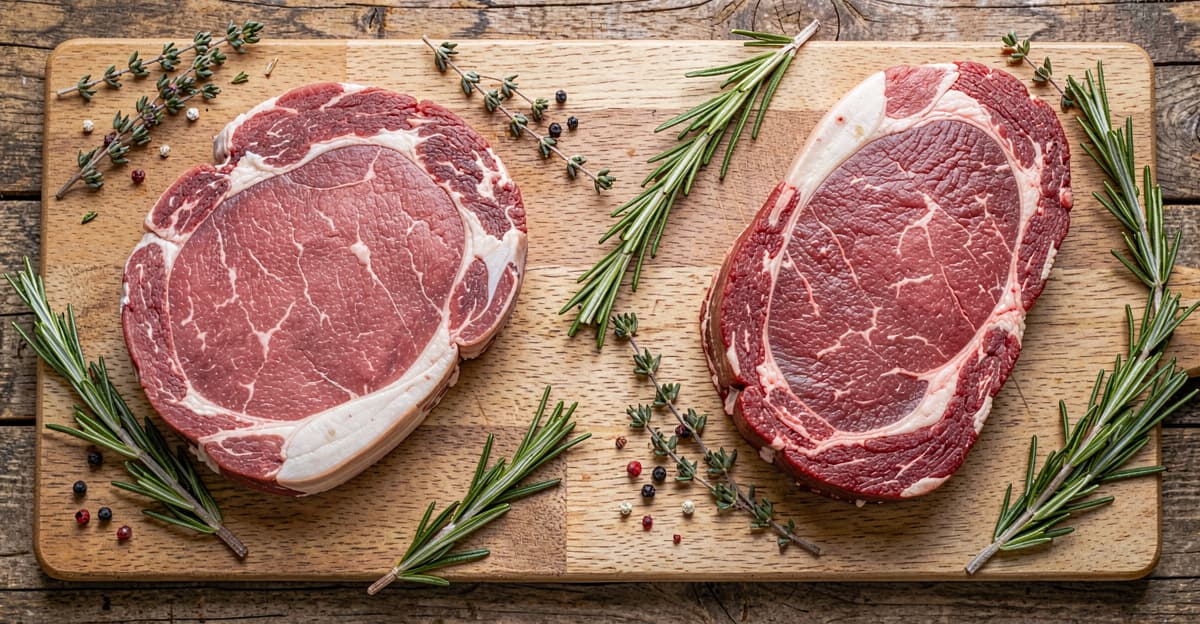
Quick Comparison (per 100g cooked)
| Nutrient | Veal (loin) | Beef (sirloin) |
|---|---|---|
| Protein | 24g | 27g |
| Fat | 6g | 8g |
| Calories | 150 | 183 |
| Iron | 1mg | 1.8mg |
| Price/lb | $14.99 | $10.99 |
Nutrition data per 100g cooked. Source: USDA FoodData Central
Nutritional Breakdown
Veal loin provides 24g protein and 6g fat per 100g cooked, totaling about 150 calories. Beef sirloin comes in at 27g protein and 8g fat for 183 calories. Beef has nearly double the iron content (1.8mg vs 1.0mg per 100g), which matters on an all-meat diet. Both supply generous amounts of B12, zinc, and phosphorus. Beef is the more nutrient-dense option overall.
Taste and Texture
Veal has a milder, more delicate flavor and an exceptionally tender texture due to the young age of the animal. Beef, especially well-marbled cuts, has a deeper, fuller beefy taste. Carnivore dieters who eat the same cuts daily often appreciate veal as a change of pace, though its mildness can feel less satisfying if you crave rich, meaty flavor.
Best Cooking Methods
Veal is best cooked gently — pan-seared in butter over medium heat, braised, or roasted at moderate temperatures. It dries out easily due to low fat content. Beef is more forgiving and can handle high-heat searing, grilling, and reverse searing. For carnivore dieters, adding extra animal fat (tallow or butter) when cooking veal is essential.
Cost and Availability
Veal averages around $14.99 per pound compared to $10.99 for beef sirloin. Veal is also less widely available in regular grocery stores, often requiring a trip to a butcher or specialty shop. Beef is stocked everywhere and comes in far more cut options, making it the more practical choice for daily carnivore eating.
Which Is Better for the Carnivore Diet?
Beef is the better everyday staple: it is more nutrient-dense, cheaper, more available, and more satiating due to higher fat content. Veal works as an occasional variety option but lacks the iron and fat that make beef the backbone of most carnivore diets. Log both in Carnivore Max to compare how each fits your daily macro targets.
The Verdict
Beef wins for daily carnivore eating — more iron, more fat, lower cost, and wider availability. Veal is a nice treat for variety but should not replace beef as your primary protein source.
Frequently Asked Questions
Is veal more tender than beef?
Yes. Veal comes from younger cattle, so the muscle fibers are shorter and less developed, resulting in a naturally more tender texture compared to most beef cuts.
Does veal have less iron than beef?
Yes. Veal contains about 1.0mg of iron per 100g cooked, while beef sirloin provides around 1.8mg. Beef is the better choice if you want to maximize iron intake on a carnivore diet.
Is veal allowed on the carnivore diet?
Absolutely. Veal is an animal-based food and is fully compatible with the carnivore diet. It is simply young beef and provides similar macronutrients.
Why is veal more expensive than beef?
Veal comes from younger animals that yield less meat per head. The shorter raising period and lower supply contribute to higher prices compared to conventional beef.
Track Your Macros with AI
Track your macros instantly — describe what you ate and our AI does the rest.
Download Free on iOS →