Smoked Beef Tenderloin (Reverse Sear)

By Ryan Thomas · Fine-Dining Chef · Updated 2026-05-08
4-pound trimmed tenderloin smoked at 225°F to 110°F, then seared at 500°F for 90 seconds per side. Most tender beef cut + smoke flavor. $20-25/lb.
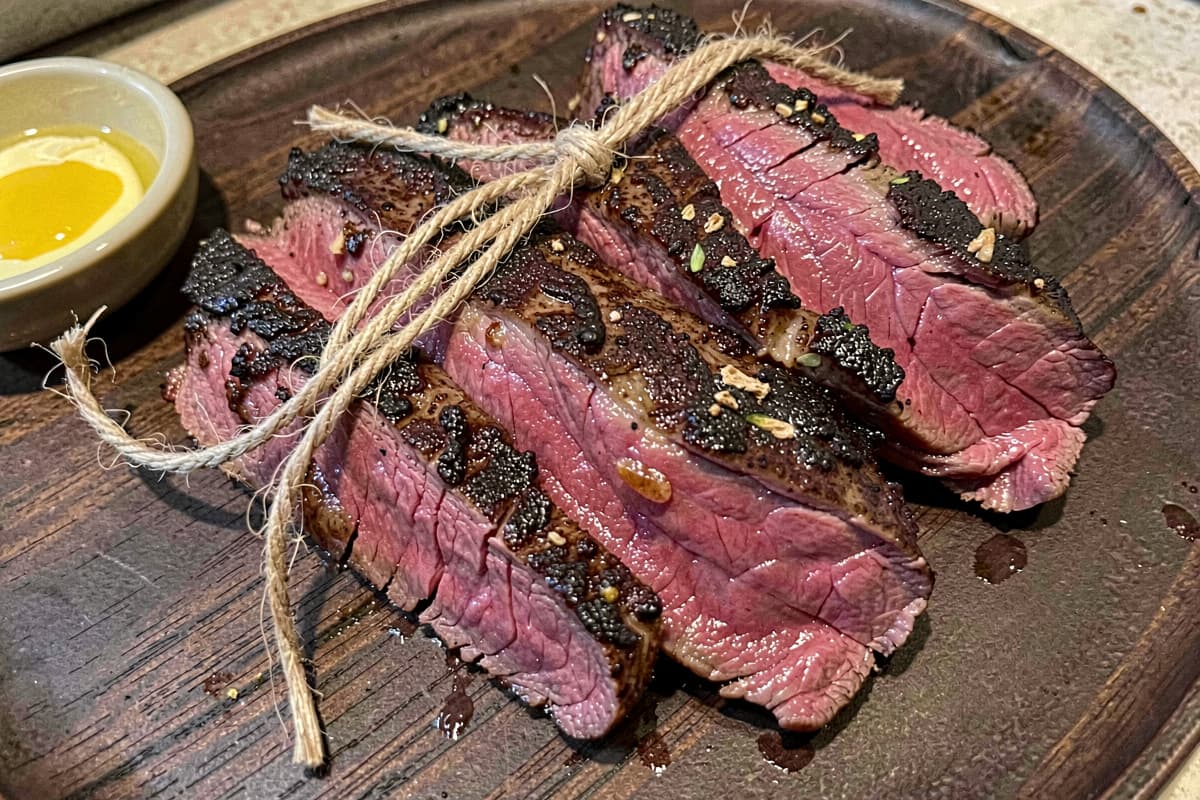
Carnivore smoked beef tenderloin is a 4 to 5 pound trimmed beef tenderloin (the muscle that becomes filet mignon when sliced) smoked at 225°F to an internal temperature of 110°F, then seared over a 500°F+ flame for 90 seconds per side. Final pull at 125°F gives medium-rare after carryover. Salt is the only seasoning; a butter-baste in the last 5 minutes of the sear adds richness. Tenderloin is the most expensive standard beef cut at $20 to $35 per pound, but the most tender — almost no connective tissue, and a 4-pound roast feeds 8 adults at roughly $12 to $18 per serving (a high-end carnivore dinner). A 5-ounce cooked serving delivers 40g protein, 15g fat, and 290 calories. Reverse-sear is essential for tenderloin: direct grilling overcooks the lean cut before smoke flavor can develop, while pure smoking skips the crust. The tail end (the thinner half) cooks faster — fold and tie it with butcher's twine for even thickness.
Ingredients
| Ingredient | Protein | Fat | Calories |
|---|---|---|---|
| 5 oz tenderloin cooked, sliced (per serving) | 40g | 11g | 250 |
| ⅓ tbsp butter (per serving) | 0g | 4g | 35 |
| Coarse salt | 0g | 0g | 0 |
| Per serving | 40g | 15g | 290 |
Macros per serving (after cooking and any fat draining). Source: USDA FoodData Central.
Instructions
- 1
Trim any silver skin (thin connective tissue along the surface) — leave the chain (the long thin muscle along one side) attached or remove based on preference.
- 2
Fold the tail end (thinner half) under and tie with butcher's twine at 1.5-inch intervals to create even thickness across the roast.
- 3
Salt the entire surface with 1.5 tbsp coarse salt. Let sit at room temperature for 1 hour while smoker preheats.
- 4
Heat smoker to 225°F. Add 2 to 3 wood chunks (oak for clean flavor, cherry for slight sweetness).
- 5
Place the tenderloin on the grate. Insert probe thermometer into the thickest part.
- 6
Smoke until internal temperature reaches 110°F — about 75 to 90 minutes for a 4-pound roast.
- 7
Heat a cast iron skillet, grill, or 500°F+ direct flame area. Sear all sides hard and fast — 90 seconds on each long face, 60 seconds on each short end. Baste with melted butter during the final 30 seconds.
- 8
Pull at 125°F internal (rises to 130°F during 10-minute rest for medium-rare). Snip butcher's twine, slice in 1-inch medallions across the grain.
Nutrition per Serving
Frequently Asked Questions
Why is tenderloin so expensive?
Two reasons. First, anatomy — the tenderloin is a single 4-to-6-pound muscle in a 1,200-pound animal, yielding less than 0.5% of edible meat per cow. Second, demand — the muscle barely works in life (it's not a load-bearing muscle), which makes it tender and high-priced. Filet mignon (sliced tenderloin) is the highest-priced steak at most restaurants for the same reasons. Buying a whole untrimmed tenderloin and trimming it yourself saves 30 to 40% versus buying pre-cut filets.
Tenderloin vs ribeye for smoking?
Different roles. Tenderloin is the most tender cut but the leanest (15g fat per 100g cooked) and benefits most from butter-baste finishing to add richness. Ribeye is fattier (25g fat) and self-bastes through marbling. For a high-end smoked dinner, tenderloin gives you the silky texture and the smoke flavor; for an everyday smoke, ribeye is more forgiving and cheaper. Most pitmasters cook tenderloin for special occasions.
Should I tie the tenderloin?
Yes — for two reasons. First, the tail end is thinner than the rest and overcooks if left untucked. Folding and tying creates even thickness across the entire roast, so the whole thing finishes at the same internal temperature. Second, butcher's twine at 1.5-inch intervals helps the meat hold its shape during the sear, preventing splay and uneven crust. Use cotton twine; remove before slicing.
Track This Meal in Carnivore Max
Log this recipe, track your macros, and stay on top of your carnivore diet.
Download Free on iOS →You Might Also Like
Filet mignon is a 6-8 oz tenderloin steak. Pan-sear in butter 3-4 min/side, baste, rest. 27g protein, 9g fat per 100g cooked. The most tender steak available.
RecipeTri-tip smoked at 225°F to 110°F internal, then seared at 500°F for 90 seconds per side. Reverse-sear gives smoke flavor + crust. 2-hour cook.
RecipeA perfectly seared ribeye basted in golden butter — the king of carnivore dinners. 48g protein and 42g fat per 10 oz cooked. Pull at 130°F medium-rare.