Crispy Duck Breast (Pan-Seared)

By Carl Henderson · Retired French Chef · Updated 2026-05-08
Magret duck breasts scored, salted, seared skin-down 8 min in a cold pan, finished 5 min in oven to 130°F. The classic French method, salt-only.
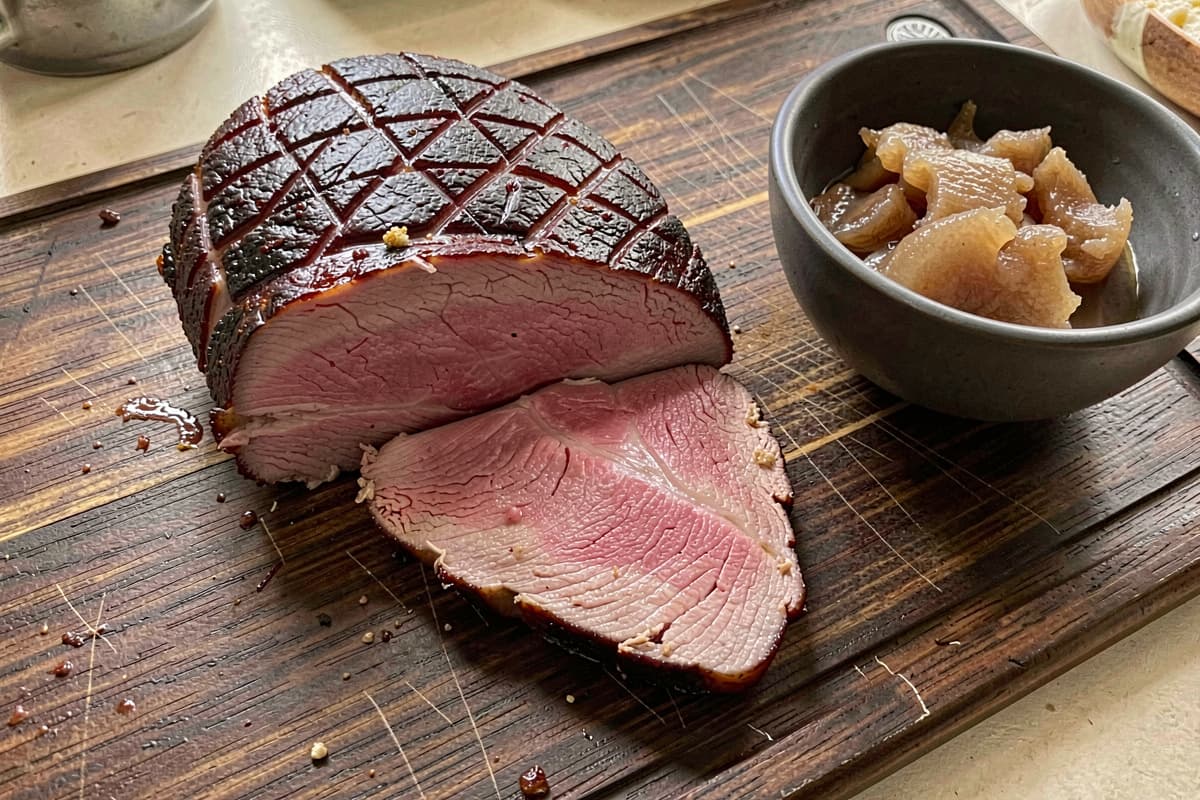
Carnivore crispy duck breast is a 12-ounce duck breast (Pekin or Moulard, magret-style) scored in a diamond pattern through the fat layer (not into the meat), salted, then placed skin-side down in a COLD cast iron skillet and cooked over medium heat for 8 to 10 minutes as the fat renders and the skin crisps. Then flip, sear 60 seconds on the meat side, and finish in a 400°F oven for 5 minutes to 130°F internal for medium-rare. Salt is the only seasoning. A 6-ounce cooked serving delivers 30g protein, 15g fat, and 280 calories — the rendered duck fat (about ½ cup per breast) becomes a cooking-fat byproduct of equal value to the meat. Pekin duck breast costs $14 to $20 per pound; Moulard (more pronounced flavor) runs $18 to $25 per pound. The cold-pan start is non-negotiable — it's what produces crispy skin instead of leathery skin. Save the rendered duck fat for cooking eggs, searing steaks, or roasting potatoes (if you allow some plants).
Ingredients
| Ingredient | Protein | Fat | Calories |
|---|---|---|---|
| 6 oz duck breast cooked, skin-on (per serving) | 30g | 15g | 280 |
| Coarse salt | 0g | 0g | 0 |
| Per serving | 30g | 15g | 280 |
Macros per serving (after cooking and any fat draining). Source: USDA FoodData Central.
Instructions
- 1
Preheat oven to 400°F. Pat duck breasts dry.
- 2
Score the skin in a diamond pattern with a sharp knife — cuts should go through the skin and fat layer but NOT into the meat below.
- 3
Salt both sides with 1 tsp coarse salt total.
- 4
Place duck breasts skin-side down in a COLD 12-inch cast iron skillet. Set heat to medium.
- 5
Cook skin-side down for 8 to 10 minutes WITHOUT moving. Fat renders into the pan as the skin crisps. The skin should be deep golden-brown when ready to flip.
- 6
Flip and sear the meat side for 60 seconds.
- 7
Transfer the skillet to the 400°F oven for 5 minutes until internal temperature reaches 130°F.
- 8
Rest 5 minutes loosely tented. Slice across the grain in ½-inch slabs. Save the rendered duck fat for cooking other dishes (refrigerates 6 months).
Nutrition per Serving
Frequently Asked Questions
Pekin duck vs Moulard duck breast?
Pekin (American) ducks are smaller (5 to 7 lbs) with milder, more delicate breast meat — more like chicken in flavor. Moulard (French hybrid) ducks are larger (12 to 15 lbs) with deeper, gamier breast meat — closer to a wild duck taste. Most US grocery stores sell Pekin; specialty butchers and online sources carry Moulard. Either works for this recipe with the same technique. Moulard breasts are 50% larger so adjust portion sizes; one Moulard breast feeds 2 to 3 adults vs one Pekin breast feeding 1 to 2.
Why score only the skin, not the meat?
The diamond pattern provides escape routes for rendering fat. Cuts that go too deep (into the meat) bleed juices into the pan, which steam-cooks the skin instead of crisping it. Score only through the white fat layer until you just barely reach the red meat below. A sharp knife or a razor blade gives the cleanest cuts. The score pattern also gives you bite-sized portions when slicing later — the diamond divides the skin naturally.
What do I do with the rendered duck fat?
Save it. One 12-ounce duck breast yields about ¼ to ½ cup of pure duck fat — among the most prized cooking fats in French cuisine. Smoke point 375°F. Strain through cheesecloth into a glass jar; refrigerate 6 months or freeze 1 year. Use for searing eggs, basting steaks, roasting potatoes (if you allow plants), or making confit. Commercial duck fat costs $12 to $18 per cup at Whole Foods; the home-rendered version is essentially free as a byproduct.
Track This Meal in Carnivore Max
Log this recipe, track your macros, and stay on top of your carnivore diet.
Download Free on iOS →You Might Also Like
5-6 lb Pekin duck dry-brined 24 hours, roasted at 325°F for 90 minutes then 425°F for 15. Salt only. Yields a rich crispy bird and 1+ cups of rendered duck fat.
RecipeDuck legs salt-cured 24 hours, then slow-cooked submerged in duck fat at 200°F for 2.5 hours. The French preservation classic, no thyme or bay.
RecipeBone-in skin-on chicken thighs smoked at 250°F for 90 minutes, then crisped at 425°F for 5 minutes. Salt only. The cheapest poultry per gram of protein.