Honey on the Carnivore Diet: Animal-Based vs Strict

By Nadia Singh · Endurance Athlete · Published 2026-05-08
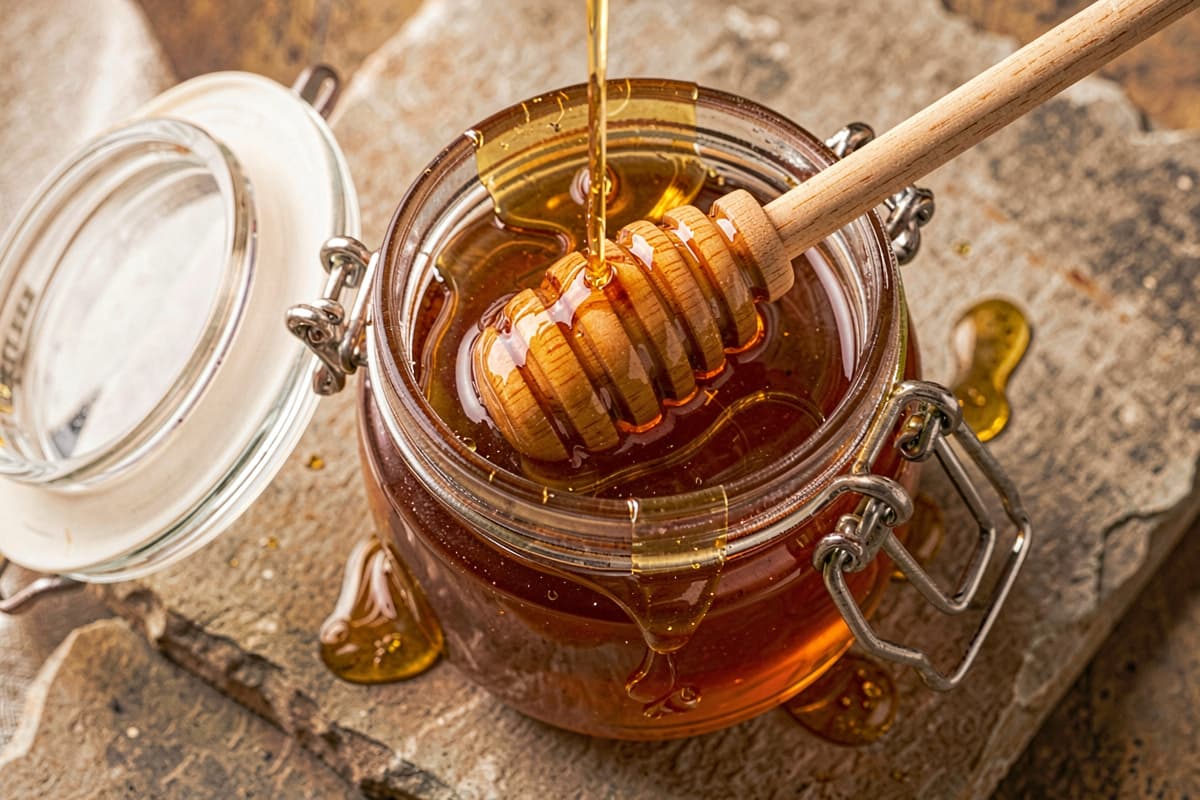
Honey is included on the animal-based version of the carnivore diet (popularized by Paul Saladino) but excluded from strict carnivore protocols. Honey is technically an animal product — it's regurgitated nectar processed by bees — but it's also 80% sugar by weight. One tablespoon contains 17g of carbs (almost entirely fructose and glucose) and 64 calories. For people who include honey, typical intake is 1-2 tablespoons per day, often as a post-workout carb or a small treat. For strict carnivore eaters or anyone in ketosis, honey is incompatible: a single tablespoon can break ketosis for 24-48 hours and triggers a meaningful insulin response. The decision tree is binary: if you're following animal-based eating for nutrient density and don't need ketosis, honey is fine; if you're doing carnivore for weight loss, blood-sugar control, or strict elimination, it's out.
Honey macros per tablespoon (21g)
Calories: 64 · Carbs: 17g (17g sugar — primarily fructose and glucose) · Protein: 0.1g · Fat: 0g · Vitamin C: trace · Antioxidants: small amounts of phenolic compounds (more in raw, dark honey)
There is no meaningful nutritional difference between honey and table sugar from a macronutrient perspective. Both are simple sugars at near-identical glycemic load. The differences are in trace vitamins, enzymes (in raw honey), and flavor — not in metabolic effect.
Why animal-based eaters include honey
The animal-based framework popularized by Paul Saladino includes honey, fruit, and dairy alongside meat. The argument is that humans evolved eating these foods opportunistically — wild honey was a calorie-dense reward animals targeted, and modern hunter-gatherer societies in tropical regions consume substantial quantities seasonally.
For people on animal-based eating who don't need ketosis, honey is a fast carb source that fuels training and tastes good. Athletes and people who train hard sometimes use 1-2 tablespoons before or after sessions. For sedentary or weight-loss-focused eaters, the honey carb load is harder to justify.
Why strict carnivore excludes honey
Strict carnivore frameworks (lion diet, zero-carb carnivore) exclude honey on two grounds. First, ketosis: a single tablespoon of honey adds 17g of carbs, which is enough to break ketosis in most people for 24-48 hours. Second, autoimmune: people doing carnivore as an elimination diet are testing for symptom triggers, and honey introduces sugar plus trace plant compounds (pollen, propolis) that defeat the purpose of the elimination.
For someone testing carnivore for autoimmune disease, weight loss after a stall, or insulin resistance, honey is the highest-impact food to exclude. The metabolic effect is many times larger than its small calorie count would suggest.
Frequently Asked Questions
Is honey allowed on the carnivore diet?
It depends on the framework. Animal-based eaters (Paul Saladino's framework) include honey, fruit, and dairy. Strict carnivore (lion diet, zero-carb) excludes honey because it's 80% sugar. The macro impact is significant: 1 tablespoon = 17g carbs, enough to break ketosis. Pick a framework, then follow it consistently.
How much honey can I have without breaking ketosis?
For most people, anything over ~1 teaspoon (5g carbs) puts you above the ketosis-break threshold. A full tablespoon (17g carbs) will reliably break ketosis for 24-48 hours in most people. If you're doing carnivore for weight loss or blood sugar, the practical answer is zero — there's no 'low-honey' compromise on a strict framework.
Is raw honey better than processed honey?
Marginally. Raw, unfiltered honey contains trace enzymes, more pollen, and slightly more antioxidants than processed/pasteurized honey. From a metabolic standpoint, the carb load is identical — 17g per tablespoon. If you're including honey in your carnivore eating, raw + dark + local is the upgrade path; if you're avoiding it, processed vs raw is a moot distinction.
Does honey count as 'animal-based' food?
Technically yes — it's produced by bees from nectar, processed in their digestive system, and stored in their colonies. It's not flesh, but it is an animal product in the same sense that eggs and milk are. Whether that's enough to include it depends on which carnivore framework you're following and your specific goals.
What about manuka honey for health?
Manuka honey has documented antibacterial properties (the methylglyoxal content) that other honey lacks. It's expensive ($30+ for an 8 oz jar) and the health claims for internal use are weaker than the topical (wound-care) evidence. The carb content is the same as regular honey — 17g per tablespoon — so all the carnivore-framework concerns apply.
You Might Also Like
A no-cook, nutrient-dense plate loaded with omega-3s. Perfect for a quick carnivore lunch or snack when you do not feel like cooking.
RecipeThe classic carnivore breakfast: crispy bacon, runny eggs, savory beef sausage. 38g protein, 40g fat, 520 calories per plate. 12 minutes start to plate.
RecipeA perfectly seared ribeye basted in golden butter — the king of carnivore dinners. 48g protein and 42g fat per 10 oz cooked. Pull at 130°F medium-rare.