Butter on the Carnivore Diet: How Much, What Kind

By Lisa Martin · Mother + Batch-Cook Specialist · Published 2026-05-08
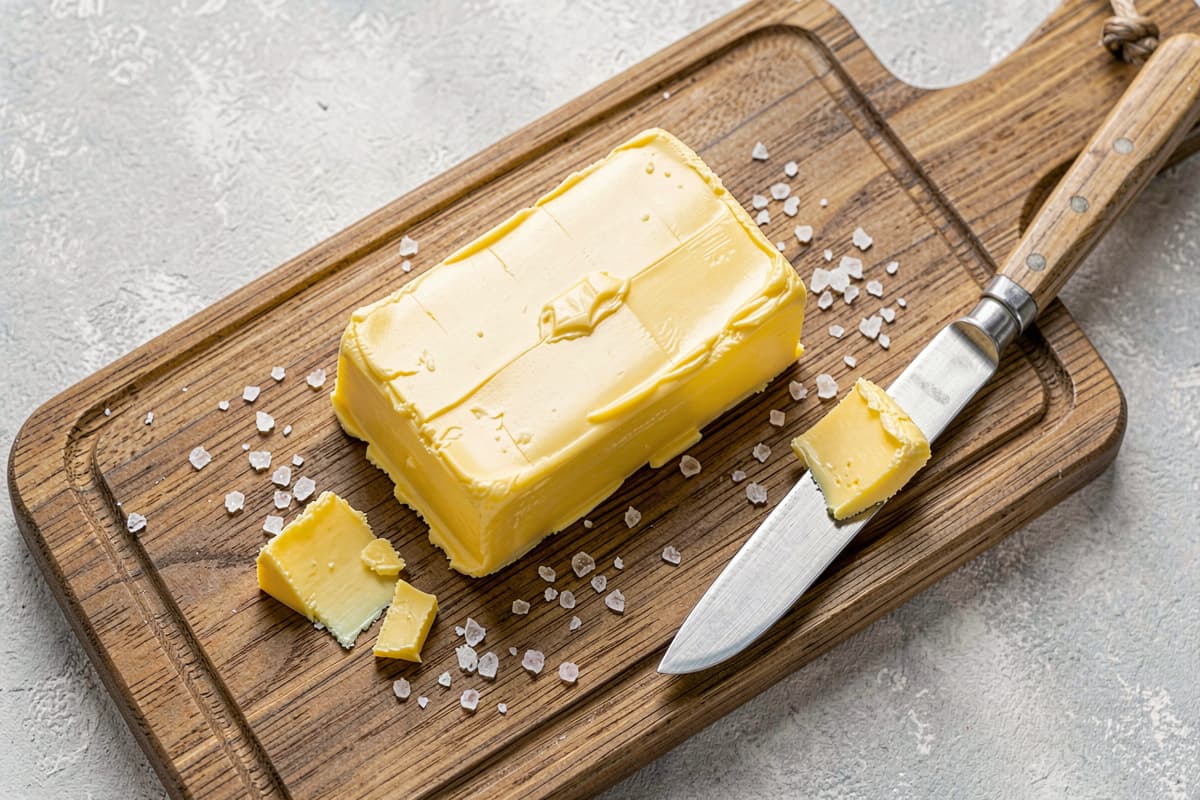
Butter is fully accepted on the carnivore diet by practically every framework. It's 100% animal-derived (made from cream), contains 0.1g of carbs per tablespoon, and provides 11g of fat and 100 calories. A typical carnivore eater uses 2 to 6 tablespoons of butter per day — as a cooking medium, basting fat for steaks, an addition to eggs, or a topping for cooked meat. Grass-fed butter (Kerrygold, Vital Farms) has a noticeably higher beta-carotene and omega-3 content than commodity butter, which is why most carnivore eaters who care about omega-6 ratios choose grass-fed when available. The main reason any carnivore framework excludes butter is dairy avoidance — strict 'lion diet' protocols cut all dairy including butter. For most practical eaters, butter is the single most-used ingredient besides salt. Butter at $4 to $7 per pound (grass-fed at $7 to $10) is among the cheapest concentrated cooking fats; a stick used at 2 to 4 tablespoons per day lasts about a week. The macro impact compounds — 4 tbsp daily adds 400 calories and 44g of fat.
Butter macros per tablespoon (14g)
Calories: 100 · Fat: 11g (7g saturated, 3g monounsaturated, 0.5g polyunsaturated) · Protein: 0.1g · Carbs: 0.1g · Vitamin A: 11% DV · Vitamin K2: small amount (more in grass-fed)
Butter is 80-82% milkfat by definition. The remaining 18-20% is water plus 1-2% milk solids (proteins, lactose, minerals). The lactose content is so small (under 0.1g per tablespoon) that even most lactose-intolerant people tolerate butter fine.
Grass-fed vs commodity butter
Grass-fed (Kerrygold, Vital Farms, Anchor): Higher beta-carotene gives the visible yellow color. About 50% more omega-3, 5x the conjugated linoleic acid (CLA), and roughly 2x the vitamin K2 of grain-fed butter. Costs $5-7 per 8 oz block.
Commodity butter (Land O'Lakes, store brand): Made from grain-finished cows. Pale yellow color, lower omega-3 and CLA. Nutritionally still valuable — saturated fat content is similar. Costs $3-4 per 8 oz block.
For most carnivore eaters, the upgrade to grass-fed is worth it given how much butter you go through. At 4 tablespoons a day, an 8 oz block lasts 4 days. The $2-3 premium per block is $15-20 a month.
Salted vs unsalted
Salted butter (default for most cooking). Standard salt content is 1-2% sodium chloride. Adds the salt you need anyway and saves a step.
Unsalted butter (better for baking and ghee-making). No added salt, lets you control seasoning precisely. If you're rendering butter into ghee, start with unsalted — salted butter ghee tastes overly salty when reduced.
For carnivore cooking, salted butter is the practical default. Most people salt their food anyway, so the small amount of pre-mixed salt is a non-issue.
When to use butter vs tallow vs ghee
Butter is best for finishing — steaks (basting), eggs (cooking medium), bone marrow, anything where you taste the fat directly. Smoke point is 350°F, which is below high-heat searing temperatures.
Beef tallow is best for high-heat searing (smoke point 400°F), deep frying, and large-batch cooking where you don't want dairy involvement.
Ghee (clarified butter) has a smoke point of 450°F and works for very high-heat applications. It tastes nuttier than butter but lacks the fresh-butter flavor for finishing.
For a comprehensive comparison, see our [beef tallow vs ghee comparison](/recipes/beef-tallow-vs-ghee).
Frequently Asked Questions
How much butter can I eat per day?
Most carnivore eaters use 2-6 tablespoons (28-84g) per day. The upper end is closer to 600 calories from butter alone — meaningful but not unreasonable on a 2,500 cal day. If you're losing weight too slowly, the butter on top of fatty cuts might be the variable to cut. If you're losing too fast or hungry constantly, more butter helps.
Is butter ok for lactose intolerance?
Yes, for most people. Butter contains under 0.1g of lactose per tablespoon — essentially trace amounts. Even people who react to a glass of milk usually tolerate butter fine. If you're severely intolerant, switch to ghee (clarified butter with milk solids removed) or tallow.
Why is butter sometimes excluded on strict carnivore?
Strict 'lion diet' frameworks exclude all dairy — including butter — on the principle that elimination diets should remove every variable. The reasoning isn't that butter is harmful, but that you can't isolate dairy as a problem food unless you remove it completely. People testing for autoimmune triggers typically drop butter for 30-90 days, then test reintroduction.
Will butter raise my cholesterol?
Saturated fat from whole-food sources (butter, beef, eggs) has been substantially walked back as a cholesterol concern over the past decade. Most carnivore eaters see HDL rise and triglycerides drop on the diet, even with high butter intake. About 25% of the population are 'lean mass hyper-responders' who do see LDL spike — get labs at 8 weeks if concerned.
Is European-style butter better than American?
European butter has higher butterfat (82-85%) than American butter (80%). The extra 2-5% fat means richer flavor and slightly higher calorie content. For carnivore eating where fat is fuel, European butter (Kerrygold, Plugra, Lurpak) is generally better. The cost premium is small — about $1-2 more per block.
You Might Also Like
A perfectly seared ribeye basted in golden butter — the king of carnivore dinners. 48g protein and 42g fat per 10 oz cooked. Pull at 130°F medium-rare.
ComparisonCompare beef tallow and ghee across nutrition, smoke point, flavor, and cost. Find out which cooking fat is best for the carnivore diet.
RecipeCrispy-edged, juicy smash burgers made with 80/20 ground beef and butter. The ultimate simple carnivore meal ready in under 15 minutes.