Animal-Based vs Carnivore Diet

By Karen Wei · Fitness Model + Lean Carnivore · Published 2026-05-08
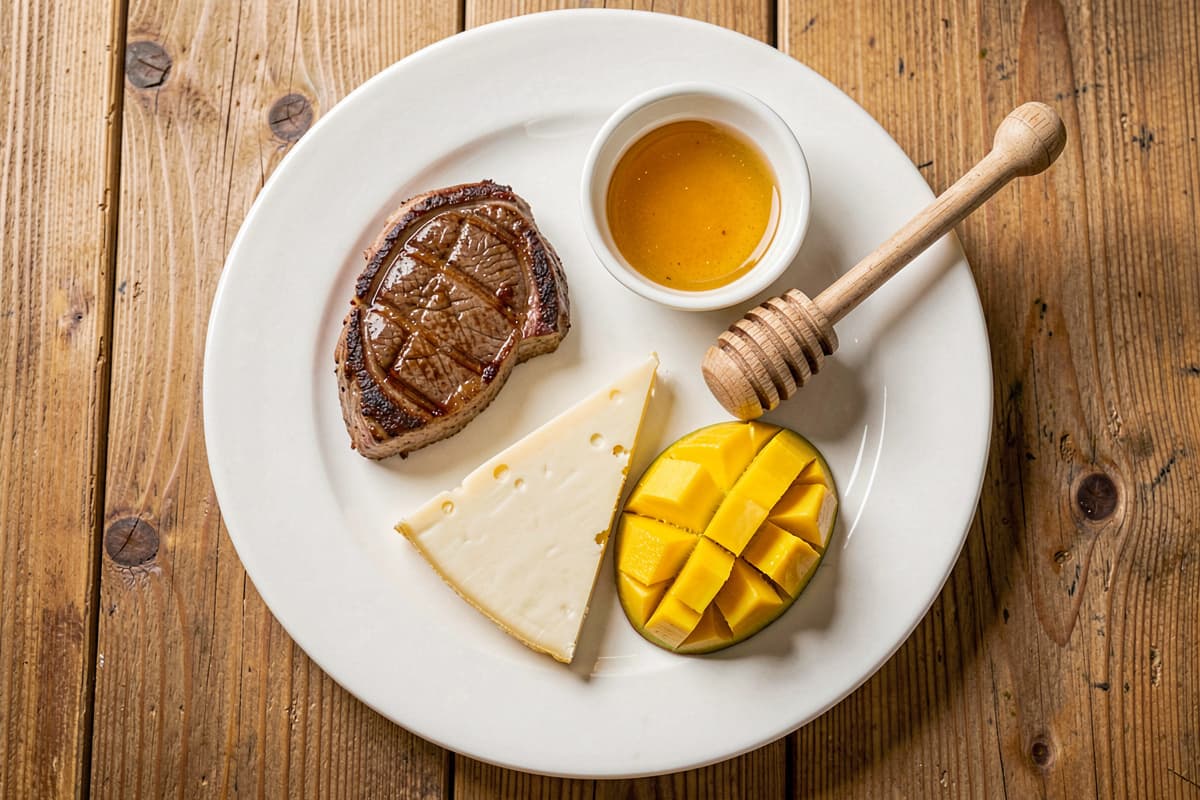
The animal-based diet, popularized by Paul Saladino, is the carnivore diet plus three additions: honey, ripe seasonal fruit, and raw dairy. The framework's reasoning is that humans evolved targeting these foods opportunistically — wild honey, low-toxin fruits at peak ripeness, and raw milk from grazing animals. The carnivore diet excludes all three. The key difference between the two diets is carb tolerance: animal-based eaters consume 50-150g of carbs per day from honey and fruit, breaking ketosis; carnivore eaters stay at 0-5g and remain in deep ketosis. Both diets emphasize organ meats and whole-animal nose-to-tail eating. The article below compares macros, food lists, and which framework fits which goals — particularly around weight loss, athletic performance, and autoimmune testing. Decisions between the two usually come down to whether ketosis matters: animal-based eaters typically run 50 to 150g of carbs daily and don't stay in ketosis, while carnivore eaters stay at 0 to 5g and remain in deep ketosis nearly all the time.
Food list comparison
Both diets include: beef (especially fatty cuts and organ meats), lamb, bison, eggs, raw butter, fish, shellfish, bone broth, salt.
Animal-based adds: honey (1-3 tbsp/day for most), ripe fruit (mangoes, papayas, berries, dates, melons — carb-dense fruits picked at peak ripeness), raw dairy (raw milk, raw cream, raw cheese, raw kefir).
Carnivore excludes both fruit and honey. Carnivore does often include pasteurized dairy (regular butter, cheese) but the strict version cuts dairy entirely.
Both diets exclude: vegetables, grains, legumes, nuts, seeds, processed foods, seed oils. Both reject cooked vegetables specifically because Saladino argues plants produce defense chemicals (lectins, oxalates, phytates) regardless of cooking.
Macro split and ketosis
Animal-based. 60-70% fat, 15-25% protein, 10-25% carbs. Carbs come from honey (17g per tbsp) and fruit (15-30g per serving). Most animal-based eaters are NOT in ketosis — they're in metabolic flexibility, switching between fat and carb burning depending on the meal.
Carnivore. 70-80% fat, 20-30% protein, 0-1% carbs. Always in ketosis. The metabolic state is the deepest, most consistent ketosis of any diet.
The practical consequence: animal-based eaters can fuel high-intensity workouts directly with fruit/honey carbs and don't need fat-adapted glucose conversion. Carnivore eaters fuel everything from fat and ketones, which works for endurance but is harder for explosive efforts.
Why people pick one over the other
Pick animal-based if: you want to keep some sweet foods and ripe fruit for taste/enjoyment, you're an athlete who needs fast fuel for training (honey before workouts), you tolerate dairy well and want raw dairy access, you're aiming for nutrient density without the strictness of carnivore, or you've found pure carnivore too restrictive long-term.
Pick carnivore if: you have autoimmune symptoms or insulin resistance that the carbs from honey/fruit could exacerbate, you're in active weight loss and need consistent ketosis, you're testing for plant-food sensitivities (carnivore is stricter — fruit could mask reactions), you find food decisions stressful and want fewer food choices.
Most people end up between them. A common pattern is starting carnivore for 3-6 months, then loosening to animal-based as a sustainable long-term framework. The reverse — animal-based to carnivore — happens when symptoms persist on animal-based.
Frequently Asked Questions
Can I lose weight on the animal-based diet?
Yes, but typically slower than carnivore. The 50-150g of carbs from honey and fruit add 200-600 calories per day and can prevent ketosis. Most animal-based eaters who lose weight do it via overall calorie reduction, not via metabolic-state changes. People who plateau on animal-based often switch to carnivore to break the stall.
Why does animal-based include honey if it's high in sugar?
Saladino argues honey is the only ancestrally available concentrated sweetener and that humans evolved to seek it. The fructose-glucose mix in honey is metabolized differently than refined sugar (some glucose goes directly to muscle glycogen). Whether this matters in practice for body composition is debated. The carb load is real — 17g per tablespoon — and breaks ketosis at typical intake.
Is raw dairy actually safer than pasteurized?
Both can be safe; both carry risks. Raw dairy contains beneficial enzymes and probiotics that pasteurization kills, but also carries higher pathogen risk (listeria, E. coli) if sourced poorly. The animal-based framework recommends raw dairy from clean, grass-fed sources. Most people without a trusted local dairy source default to pasteurized.
Can I do animal-based without dairy?
Yes — that's effectively a 'meat plus honey plus fruit' framework. Dairy is the most controversial component; many people on animal-based don't tolerate it well and skip it. The diet still works without dairy.
Which has more research backing?
Neither has substantial peer-reviewed research; both rely heavily on self-reported user data and case studies. Carnivore has slightly more documentation through Reddit communities and specific patient registries. Animal-based has Paul Saladino's published work and clinical observations but limited formal trials.