Lion Diet: The Strictest Form of Carnivore

By Beth Anderson · Celiac + Gluten-Free Carnivore · Published 2026-05-08
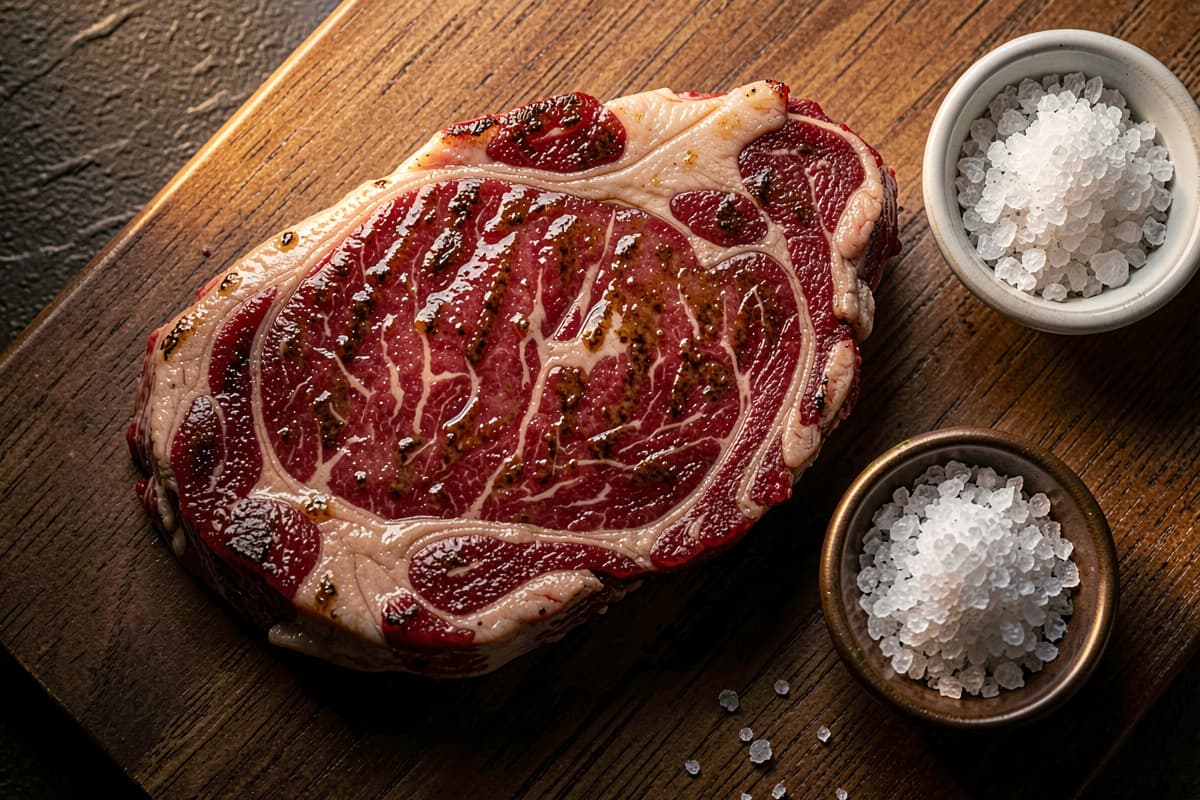
The lion diet is the strictest version of the carnivore diet: ruminant meat (beef, lamb, bison), salt, and water — nothing else. No pork, no chicken, no fish, no eggs, no dairy, no coffee, no spices except salt. Mikhaila Peterson popularized the protocol after using it to manage severe autoimmune disease (juvenile rheumatoid arthritis and major depression). The lion diet is rarely a permanent eating pattern — most people use it as a 30 to 90 day elimination protocol to test what specific foods are driving symptoms, then reintroduce foods one at a time. The diet eliminates not just plants (which carnivore already cuts) but also pork, poultry, and fish to test for cross-reactive proteins, plus eggs and dairy to test for those specific food families. People who respond dramatically on the lion diet typically loosen to standard carnivore after the elimination window closes.
What's allowed on the lion diet
Ruminant meat only: beef (any cut), lamb, bison, goat, venison, elk. The 'ruminant' classification means animals with multi-chambered stomachs that primarily eat grass — these tend to have similar protein structures, fat profiles, and lower allergenic risk than monogastric animals (pigs, chickens, fish).
Salt: any unrefined salt — Redmond Real Salt, Celtic, Himalayan, kosher. Salt is critical for replacing electrolytes lost during the carb-zero adaptation.
Water: plain water only. Sparkling water and seltzer are debated; most strict practitioners stick to flat water.
Nothing else. No pork, no bacon, no chicken, no eggs, no fish, no shellfish, no dairy (no butter, no cheese, no cream, no ghee — note this differs from standard carnivore), no coffee, no tea, no herbs, no spices, no sauces.
Why people use the lion diet
Autoimmune disease. The diet is most often used by people with rheumatoid arthritis, lupus, psoriasis, multiple sclerosis, Hashimoto's, or Crohn's disease who haven't responded to standard treatments or carnivore. By eliminating not just plants but also pork, fish, eggs, dairy, and seasonings, the protocol removes the maximum number of potential antigens.
Severe gut issues. People with inflammatory bowel disease, leaky gut symptoms, or chronic digestive distress sometimes do the lion diet for 30-60 days as a complete reset, then add foods back one at a time.
Mental health. Mikhaila Peterson and her father Jordan Peterson have both spoken publicly about using the lion diet to address depression and other mood disorders. The mechanism is not well-understood — possibly related to inflammation reduction or specific food sensitivity.
Severe allergies and chemical sensitivities. People with multiple food allergies sometimes find the lion diet is the only one they can tolerate. The protocol then becomes a starting baseline for carefully reintroducing foods.
How to actually do the lion diet
Duration. Most people commit to 30 days minimum, 60-90 days for serious autoimmune testing.
Daily intake. 2-4 lbs of fatty ruminant meat per day, salt to taste, water to thirst. Eat to satiety; don't track macros. Most people eat 1-2 meals per day after the first week.
Meat selection. Fatty cuts only — ribeye, chuck roast, 80/20 ground beef, beef short ribs, lamb shoulder, bone marrow. Avoid lean cuts (sirloin, eye of round) — they're hard to eat in volume and don't provide enough fat.
Cooking. Plain. Salt the meat, sear in a dry pan or grill. No butter (dairy), no oil (plant), no marinades. The diet is intentionally bland.
Reintroduction. After the elimination window, reintroduce foods one at a time over 3-7 day windows. Start with the foods you most want back: butter, eggs, cheese, salt-cured meats. Watch for symptoms. Anything that triggers symptoms gets removed permanently or for a longer test.
Frequently Asked Questions
Is the lion diet safe long-term?
Limited evidence for long-term use. Mikhaila Peterson has reportedly been on the lion diet or close to it for several years. The macronutrient profile is theoretically complete (ruminant meat provides all essential amino acids, fatty acids, and most vitamins/minerals), but micronutrient deficiencies (vitamin C, folate) are theoretical risks. Get labs every 6-12 months if doing it long-term.
How is the lion diet different from regular carnivore?
Carnivore allows all animal foods — beef, pork, chicken, fish, eggs, dairy. Lion diet allows only ruminants (beef, lamb, bison) plus salt and water. No pork, no chicken, no fish, no eggs, no dairy. It's a stricter elimination protocol designed to test for cross-reactive food sensitivities.
Can I drink coffee on the lion diet?
No. Coffee is plant-derived and excluded. Some practitioners allow it; the strictest interpretation does not. If you're using the lion diet for autoimmune testing, the answer is no — coffee should be one of the first reintroductions if you want it back.
How quickly do symptoms improve on the lion diet?
Highly variable. Some people report meaningful symptom relief within 7-14 days; others need 4-8 weeks. The most reliable indicator that the protocol is working is reduction in joint pain, skin clearing, mood improvement, or gut normalization within 30 days. If 60 days produces no change, the issue likely isn't food-driven.
Will I lose weight on the lion diet?
Almost certainly yes initially — water weight (3-7 lbs) plus fat loss from the deep ketosis. Long-term, lion-diet weight loss matches carnivore weight loss, which is typically 1-2 lbs per week for the first 1-3 months in people with weight to lose, then plateauing.