Carnivore Diet vs Keto: How They Compare

By Daniel Foster · Keto-to-Carnivore Coach · Published 2026-05-08
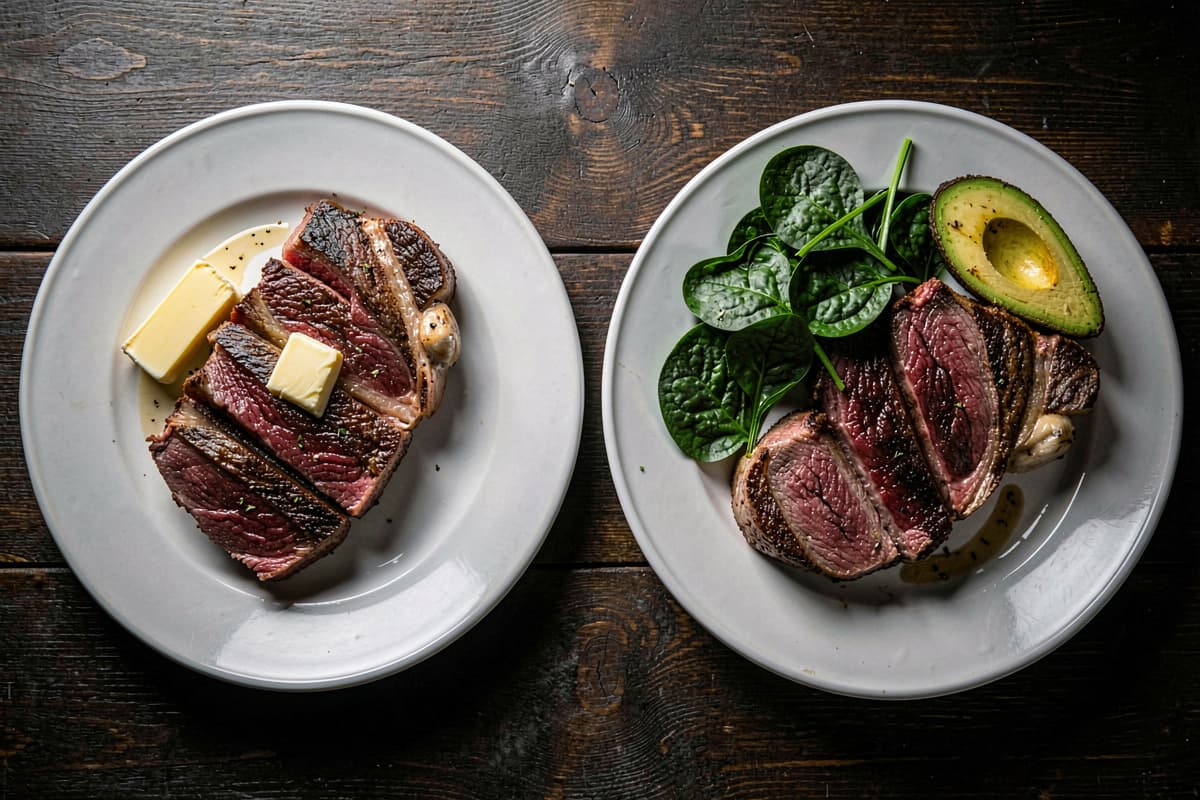
The carnivore diet and the ketogenic (keto) diet share a low-carb mechanism but have meaningfully different food lists. Both push the body into ketosis (where fat is the primary fuel source instead of carbohydrates), and both typically result in similar weight-loss and blood-sugar improvements. The key difference is plant inclusion: keto allows non-starchy vegetables, nuts, seeds, low-sugar berries, and seed oils up to roughly 20-50g of carbs per day; carnivore excludes all plant foods entirely and runs at 0-5g carbs per day. Carnivore is also designed as an elimination protocol — useful for testing autoimmune triggers and gut symptoms — while keto is primarily a metabolic-state diet without the elimination focus. The article below breaks down macros, food lists, weight-loss outcomes, and which framework fits which goals. Most people who switch from keto to carnivore see weight loss accelerate by 1 to 2 lbs per week, primarily from cutting the 200 to 600 daily calories that nuts, seed oils, and low-carb veggies typically add to a keto plate.
Macro split comparison
Keto. 70-75% calories from fat, 20-25% from protein, 5-10% from carbs (typically 20-50g carbs per day). The exact split is flexible — the only firm constraint is staying in ketosis, which usually means under 50g carbs.
Carnivore. 70-80% calories from fat, 20-30% from protein, 0-1% from carbs (typically 0-5g carbs per day, all from glycogen in muscle meat). No deliberate carb intake.
In practice the macro split looks similar in calories. The big difference is that carnivore eaters get all their fat and protein from animal sources, while keto eaters mix animal fats with avocado, olive oil, MCT oil, and nut-based products.
Food list comparison
Keto-allowed but carnivore-excluded: leafy greens, broccoli, cauliflower, zucchini, asparagus, avocados, nuts (almonds, walnuts, macadamias, pecans), nut butters, seeds (chia, flax, pumpkin), low-sugar berries (strawberries, raspberries, blueberries in small amounts), olive oil, coconut oil, MCT oil, dark chocolate (>85%).
Both diets allow: all unprocessed meat (beef, pork, lamb, poultry, seafood), eggs, butter, ghee, beef tallow, hard cheese, full-fat dairy.
Both exclude: grains, legumes, sugar, most fruits, processed seed oils (canola, soybean, sunflower), starchy vegetables (potatoes, corn).
The practical effect: a keto plate might be a steak with sautéed spinach in olive oil; a carnivore plate is the steak with butter.
Weight-loss results
Self-reported and clinical data shows both diets producing 1-2 lbs per week of fat loss for most people during the first 1-3 months, with results diverging in the long term. Keto eaters often plateau or regain when carb tolerance creeps up; carnivore eaters often see continued slow loss for 6-12 months due to the absolute carb floor and high satiety of all-meat meals.
For people who lose interest or stall on keto, switching to carnivore for 4-8 weeks frequently breaks the plateau. The reverse — switching from carnivore to keto — usually slows weight loss because the added vegetables and nuts also add 200-400 daily calories.
Which fits which goal
Pick keto if: you want to keep some vegetables and nuts in your diet, you're using the diet primarily for weight loss or blood sugar control without an elimination component, you don't have specific autoimmune or gut symptoms to test, or you find a vegetable-free diet boring.
Pick carnivore if: you have autoimmune symptoms (psoriasis, eczema, IBS, joint pain) you want to test for plant-food triggers, you have severe gut issues that need an elimination diet, you find food decisions stressful and want to simplify radically, or you've plateaued on keto and want to try a stricter version.
Try both: many carnivore eaters started on keto, found it useful, then tightened to carnivore for symptom-specific testing or breaking a plateau. The transition takes 3-7 days of adjustment.
Frequently Asked Questions
Is carnivore basically just zero-carb keto?
Mechanically yes — both put the body in ketosis. Philosophically no — carnivore is also an elimination protocol designed to remove plant compounds (lectins, oxalates, phytates) that some people react to. Keto isn't designed to test plant-food sensitivities; carnivore is.
Can I lose more weight on carnivore than keto?
For most people, the difference is small (a few pounds per month). Carnivore tends to produce more consistent slow loss because zero carbs prevents accidental ketosis-breaking, and the high-protein meals are more satiating. Keto can match or beat carnivore for people who execute it tightly.
Which is easier to follow?
Carnivore is mechanically simpler — fewer foods to track, fewer macros to balance, no carb counting. Keto requires monitoring vegetable carbs, nut portion sizes, and avoiding hidden sugars. Socially, keto is easier (more restaurant options); carnivore is easier in your own kitchen.
Do carnivore and keto have the same health benefits?
Mostly yes. Both reliably improve insulin sensitivity, lower triglycerides, raise HDL, and produce sustained weight loss. Carnivore additionally produces autoimmune symptom relief in some users (psoriasis, IBS, joint pain) that keto doesn't reliably do, presumably because keto still includes plant compounds that may trigger reactions.
Can I eat keto-style on carnivore?
Sort of — eating high-fat meat with butter or tallow at high-fat ratios is the carnivore version of keto. The difference is no vegetables, nuts, or oil-based fats. People sometimes call this 'ketovore' — keto eaters who've cut nearly all plants but still occasionally have low-carb veg.