7 Common Carnivore Diet Mistakes (and How to Fix Them)

By Tyler Thompson · Long-Term Carnivore Advocate · Published 2026-05-08
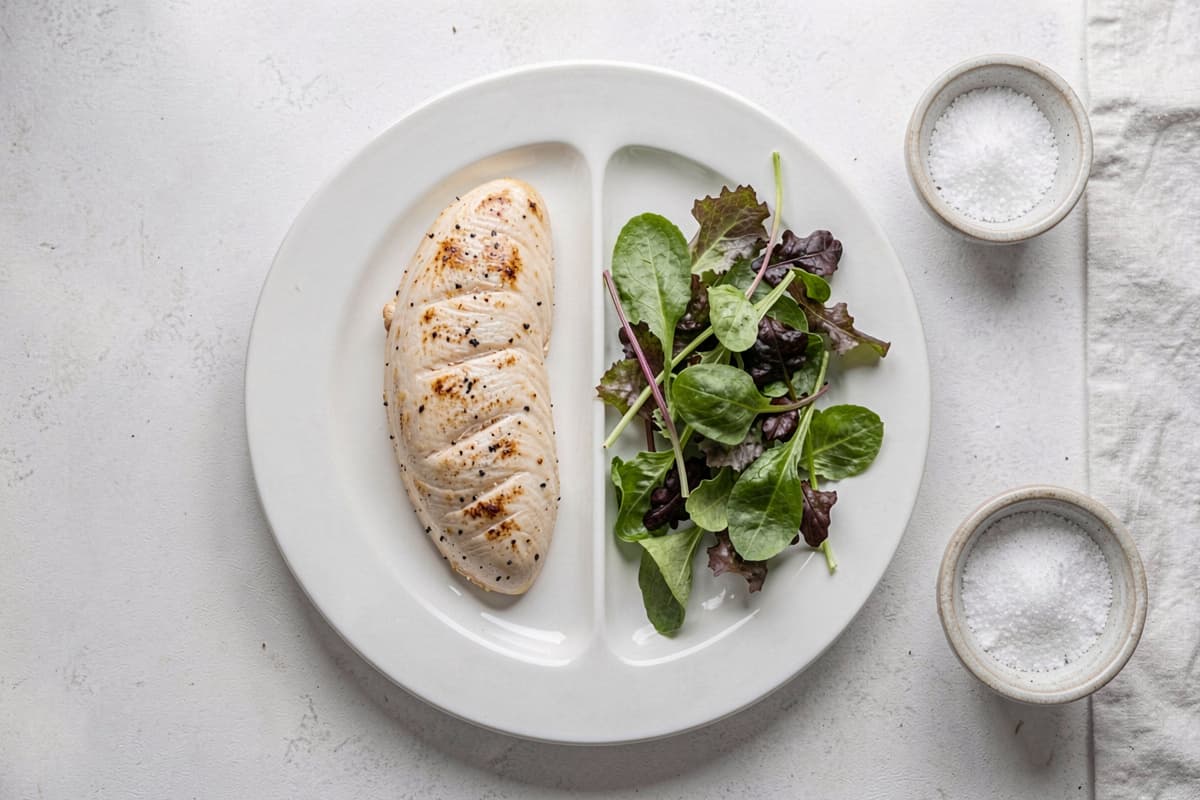
Most people who fail at the carnivore diet make the same handful of mistakes in the first 30 days. The pattern is consistent across thousands of self-reports on Reddit, podcasts, and clinical observations: not enough fat, not enough salt, calories from drinks, and a few execution errors that compound. The 7 mistakes below are the most common ones, ranked by how often they cause people to quit. Each comes with a specific fix that most people can apply the next morning. None of these are about willpower or 'sticking to it' — they're about avoiding correctable errors that make the diet feel worse than it should. If you're 2 weeks in and feeling tired, hungry, or stuck on weight loss, work through this list before deciding the diet doesn't work for you. Most people who quit carnivore in the first 30 days hit one of these mistakes — usually under-salting and under-fat-eating combined. Fixing both adds 200 to 400 calories from fat and 1 to 2 tsp of daily salt, which resolves keto-flu and stalled weight-loss in most cases.
Eating too lean
The single most common mistake. Lean ground beef (90/10), chicken breast, sirloin steaks, and pork tenderloin all leave you hungry, tired, and short on satiating fat. Your body needs fat to replace the carbs you cut. Switch to 80/20 or 73/27 ground beef, ribeye, pork belly, lamb shoulder, and chicken thighs with skin. Aim for 60-80% of calories from fat — for a 2,000 cal day, that's 130-175g of fat. If your meals leave you hungry 2 hours later, you're under-eating fat.
Not salting enough
Carbs hold water. Cutting carbs causes your body to release that water in the first 7-14 days, taking 2-4g of sodium with it daily. Without aggressive salt replacement you'll get headaches, fatigue, dizziness, and muscle cramps — collectively known as 'keto flu' but really just sodium loss. Salt every meal generously (1-2 tsp per day total). Drink salted bone broth or beef broth daily for the first 2 weeks. If symptoms persist, add 500-1000mg sodium with water in the morning.
Drinking calories
Coffee with sweetened creamer (50-100 cal), bulletproof coffee daily (200 cal), heavy cream in everything, and especially alcohol — these hidden calories add up fast on a high-fat diet where 1g of fat is 9 cal. If you're 'eating to satiety' but adding 600 cal of liquid a day, that's where weight stalls come from. Drink black coffee, water, salted broth, and nothing else if weight loss has stalled. Reintroduce calorie-dense drinks one at a time after the stall breaks.
Snacking constantly
If you're hungry 2 hours after a meal, the meal was too small or too lean. Fix the meal. Don't fix it with cheese sticks, jerky, and pork rinds throughout the day — those add calories without the satiety of a real meat-based meal. Most experienced carnivore eaters land at 2 meals per day with no snacks. If you're snacking more than once between meals, your main meals need 10-15g more protein and 5-10g more fat.
Quitting at 14 days
Most carnivore-quit-stories happen between days 7 and 21. This is exactly when 'keto flu' is worst, your body is still building enzymatic systems for high-fat metabolism, and the gut is adjusting. Energy and digestion typically normalize at 3-6 weeks. Symptoms before then — fatigue, headache, irregular bowels, low workout performance — are adaptation, not the steady state. Commit to 30 days minimum before deciding whether the diet works for you.
Eating processed meat with hidden ingredients
Most commercial bacon contains 0.5-2g of sugar per slice (cure additives). Many sausages contain breadcrumbs, rice flour, or modified food starch as binders — 1-3g carbs per link. Deli meats are often pumped with sugar, dextrose, and stabilizers. Read every label. Look for products listing 0g sugar and ingredient lists you recognize. The simplest fix: shop the butcher counter for plain meat, skip everything from the deli case.
Ignoring organ meats
Pure muscle meat is missing some of the micronutrients (vitamin A, copper, folate) that you'd otherwise get from vegetables. Organ meats fill the gap. The minimum viable practice is 4 oz of beef liver once a week — about 2 tablespoons of blended liver mixed into 1 lb of ground beef makes hidden liver bites that taste like normal burgers. Heart, kidney, and bone marrow are also worth rotating in. People doing strict carnivore for years without organ meats sometimes report nutrient deficiencies; it's an avoidable mistake.
What good carnivore execution looks like
Daily protein: 100-180g, mostly from red meat and eggs. Daily fat: 130-175g, mostly from the same animal foods you're getting protein from. No need to add butter to fatty cuts — the cut already provides it. Daily salt: 1-2 tsp coarse salt total. More in the first 2 weeks. Meals per day: 2-3, no snacks. Most experienced eaters land at 2. Drinks: Black coffee, water, bone broth. Optional dry red wine occasionally for non-strict eaters. Variety: rotate beef, pork, lamb, fish, eggs across the week. Add organ meats once weekly minimum.
If you're hitting these baselines and 30 days in, weight loss has plateaued or symptoms haven't resolved, that's when to test more specific variables (dairy, coffee, alcohol). Before that point, the standard execution above is the answer for most cases.
Frequently Asked Questions
How do I know if I'm in 'keto flu'?
Headache, low energy, dizziness when standing, muscle cramps, brain fog, irregular bowels — usually appearing days 3-10. The cause is sodium and electrolyte loss as you flush carb-bound water. The fix is salt: 1-2 tsp daily, often as salted broth. If symptoms are severe, add 200mg of magnesium and 400mg of potassium too. Most people are out of keto flu within 14 days.
Why am I gaining weight on carnivore?
Three common causes. First, calorie excess — you can absolutely overeat on carnivore. Track for 2 weeks to see your actual intake. Second, alcohol — even one drink stalls fat-burning for 24-48 hours. Third, dairy intolerance — some people retain water dramatically on cheese and cream. Drop the variable in question for 2 weeks as a test.
Should I take supplements on carnivore?
Most people don't need to. Salt is the only non-negotiable. Some people benefit from magnesium glycinate (200-400mg) for sleep and muscle recovery. If you're not eating organ meats, a high-quality desiccated liver supplement covers the vitamin A and copper gap. Skip multivitamins, fish oil if you eat sardines, and any supplement marketed specifically for keto/carnivore — most are unnecessary.
Do I need to track macros forever?
No. Most carnivore eaters track for the first 2-4 weeks to calibrate portion sizes, then transition to eating by hunger. Tracking helps you understand what 40g protein actually looks like — once you can eyeball it, the tracking becomes optional. Carnivore Max makes the initial tracking faster than spreadsheet methods.
How long until I see weight-loss results?
Water weight (3-7 lbs) drops in the first week as carbs leave. Real fat loss typically starts week 2 and runs at 1-2 lbs per week for the next several months in people with significant weight to lose. Plateaus after 4-8 weeks are normal — usually broken by checking the 7 mistakes above and adjusting the most likely candidate.